A well-crafted denture is more than a prosthetic—it is a quiet extension of your presence. How you maintain it determines not only its longevity, but the confidence and ease with which you move through each day. Beyond the usual advice to “clean daily” and “avoid harsh products,” there is a more refined approach: care that is precise, intentional, and quietly luxurious. The following guidance is designed for those who expect their dentures to perform beautifully and discreetly, day after day.
Elevating Daily Care Into a Thoughtful Ritual
Maintenance begins with rhythm. Instead of hurriedly brushing your dentures at the end of the day, treat the process as a deliberate routine with clear steps and a calm pace. Rinse them under lukewarm water immediately after meals to dislodge food particles before they dry and harden; this simple habit reduces abrasion and staining later. In the evening, use a soft-bristled brush designed for dentures and a non-abrasive denture cleanser, carefully tracing the contours and fitting surfaces rather than scrubbing aggressively. Avoid regular toothpaste, baking soda, and household cleaners, as they can create micro-scratches that gradually dull the surface and harbor bacteria. Finally, give equal attention to your mouth—brush your gums, tongue, and palate gently to promote circulation and maintain a fresh environment for your denture to rest upon.
Insight 1: Curating the Ideal Soak Environment
Most denture wearers know they should soak their dentures, but few consider the “environment” in which soaking occurs. The temperature of the water, the duration, and the formulation of the cleanser all shape the lifespan of the material. Always use cool to lukewarm water; anything approaching hot can subtly warp the acrylic over time, compromising the fit in ways that feel vague but bothersome—slight rocking, minor sore spots, or a sense that your bite is “off.”
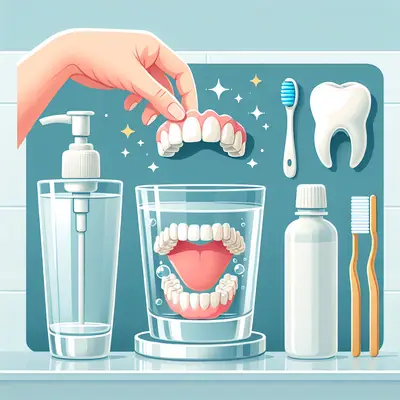
Select a reputable effervescent denture cleanser formulated to remove biofilm and stains without bleaching or roughening the surface. Let the tablets fully dissolve before placing the dentures in the solution, and follow the recommended soaking time rather than assuming “longer is better.” Extended soaking in overly strong or improvised solutions (such as concentrated vinegar or bleach mixtures) can damage metal components and discolor acrylic. After soaking, rinse the dentures thoroughly under running water to remove any residual cleanser, which can be irritating if trapped against delicate gum tissues.
Insight 2: Managing Micromovements That Age Your Dentures
Wear and tear is not only about chewing—it’s also about how your dentures move in micro‑increments throughout the day. Tiny shifts when speaking, swallowing, or unconsciously clenching can place stress on both the denture base and your supporting tissues. An elegant maintenance strategy acknowledges these micromovements and aims to minimize them.
First, ensure your dentures are properly supported by healthy, hydrated oral tissues. Dry mouth (xerostomia)—often caused by medications or aging—reduces the natural lubrication that stabilizes dentures. Discuss saliva substitutes, sugar-free lozenges, and hydration strategies with your dentist or physician to restore a more comfortable oral environment. Second, if you notice clicking, frequent slipping, or the need for more adhesive than usual, do not normalize it; these are early signs that your denture requires adjustment or relining. Addressing these subtle changes early prevents excessive pressure spots, cracks, and fractures that develop when the denture is forced to “work” around a compromised fit.
Insight 3: A Refined Approach to Adhesives and Residue
Adhesive can be a useful ally when used thoughtfully, but overreliance often signals that something is amiss. Begin with a minimalist mindset: use the smallest amount that gives you gentle security rather than a rigid seal. Apply in thin, evenly spaced dots or short strips rather than a continuous thick line, which can ooze and create an unrefined, sticky sensation. If adhesive is routinely escaping onto the edges of your denture or gums, you are using too much—or your denture may need an evaluation for fit.
Equally important is how you remove adhesive at the end of the day. Avoid high-friction rubbing that can irritate delicate tissues. Instead, start with a warm (never hot) rinse to soften the adhesive, then gently massage your gums and palate with a soft toothbrush or a clean, damp cloth. For the denture itself, use a soft brush under running lukewarm water to remove all traces of residue before soaking. Persistent adhesive buildup can trap plaque and stain the acrylic, dulling both appearance and freshness.
Insight 4: Protecting Dentures From Everyday “Invisible Risks”
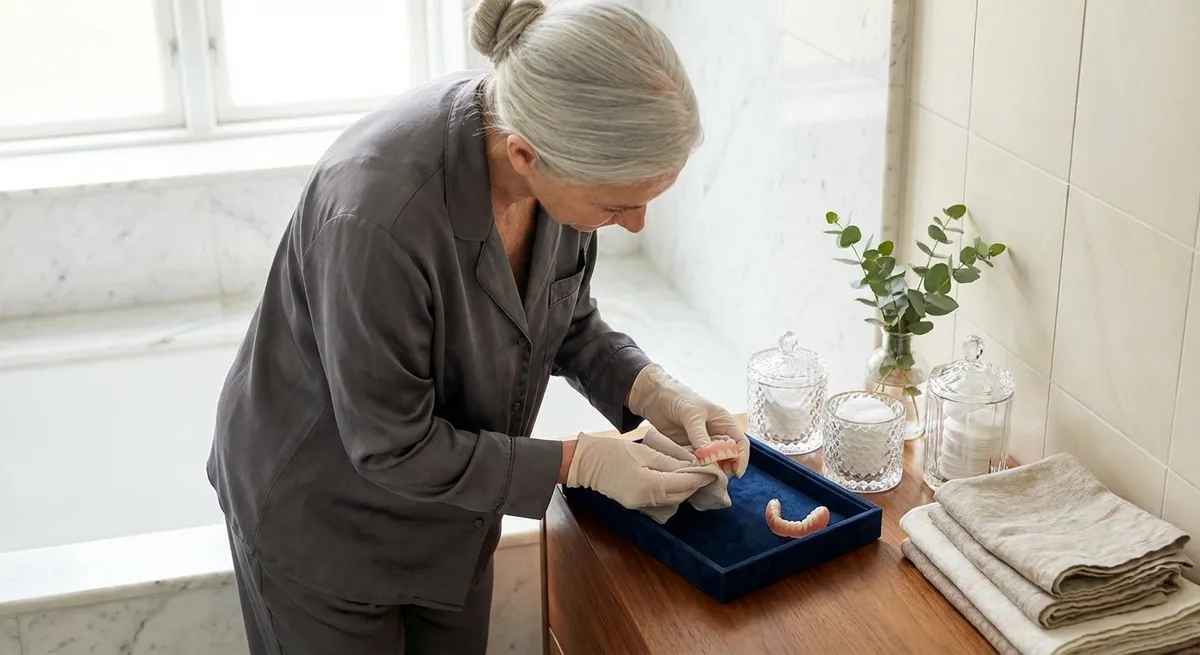
Many denture mishaps occur far from the bathroom sink—during routine, unremarkable moments. An elevated maintenance philosophy anticipates and neutralizes these invisible risks. When handling your dentures, always do so over a folded towel or a basin partially filled with water; a single slip onto porcelain or tile can result in a hairline fracture or chipped tooth that looks minor but alters comfort and aesthetics.
Travel also introduces risk. Store dentures in a rigid, ventilated case rather than wrapping them in tissue or napkins, which are easily mistaken for trash and offer no protection against pressure in a bag or pocket. Never leave dentures to dry on a bedside table or bathroom counter overnight; dehydration can cause them to lose their precise fit, leading to micro-cracks and discomfort. If you must be without your dentures for a period (such as during an extended dental procedure), carry a small, lidded container and enough cleansing tablets so that care standards remain consistent, even away from home.
Insight 5: Scheduling “Preventive Refinement” Instead of Emergency Repairs
A premium approach to denture maintenance treats professional checkups as refinement sessions, not last‑minute solutions. Even the best-crafted denture exists in a changing environment: your jawbone slowly resorbs, your bite pattern can evolve, and general wear accumulates. Plan regular visits with your dentist—often annually, or more frequently if advised—not merely to confirm that “everything looks fine,” but to fine-tune the bite, polish surfaces, assess fit, and review any subtle discomforts you may have dismissed.
During these visits, ask specifically about early signs of wear: tiny fractures, thinning acrylic in high-pressure areas, or small chips that may not yet be obvious. Proactive relining or rebasing can extend the life of your denture and preserve comfort far more elegantly than waiting for a crack, break, or chronic sore spot to demand urgent attention. Think of these appointments as you would a tailored garment fitting: a periodic, measured adjustment that keeps your denture aligned with your changing anatomy and expectations.
Conclusion
Exceptional denture maintenance is less about rigid rules and more about cultivated attentiveness. The way you soak, handle, store, and periodically refine your dentures accumulates into a tangible difference—in comfort, appearance, and confidence. When daily care is approached as an art of subtle preservation, your dentures cease to be something you simply “put in” each morning; they become a well-maintained, quietly luxurious element of your presence, supporting you with discretion and reliability in every conversation, every photograph, and every smile.
Sources
- American Dental Association – Dentures - Authoritative guidance on basic denture care, cleaning, and professional follow-up.
- Mayo Clinic – Dentures: How to Care for Them - Practical overview of daily maintenance, handling, and when to consult a dentist.
- Cleveland Clinic – Dentures - Detailed explanation of denture types, fit considerations, and adjustment/relines.
- National Institute of Dental and Craniofacial Research – Oral Health in Older Adults - Context on oral changes with age, including bone loss and dry mouth that affect denture fit and comfort.
- Colgate Oral Care Center – Denture Adhesive: How to Use It - Practical information on appropriate adhesive use, application, and removal.
Key Takeaway
The most important thing to remember from this article is that this information can change how you think about Maintenance Tips.