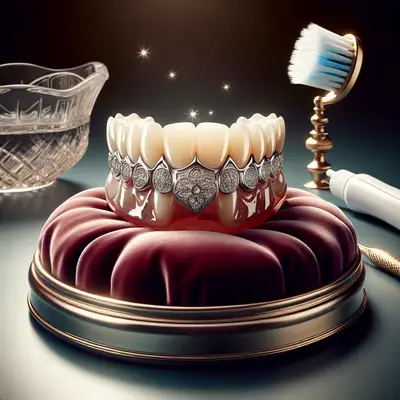
Wearing dentures is not merely a functional solution; it can be an elevated, almost artisanal experience when approached with intention. Beyond the basics of cleaning and nightly soaking lies a more refined dimension of denture care—where comfort, discretion, and longevity are curated with the same care you’d devote to a bespoke garment or a tailored skincare ritual. This guide explores nuanced, practical refinements that transform dentures from “just necessary” into something quietly, confidently exceptional.
Rethinking Fit: Micro‑Adjustments That Transform Daily Wear
Most people accept minor discomfort as “normal” with dentures, but a truly optimized fit is often the difference between tolerating your dentures and forgetting you’re wearing them.
A well‑crafted denture should distribute pressure evenly across your gums and palate. Yet gums change shape over time—especially in the first year after extractions—so what fit beautifully at first may gradually begin to rub, rock, or click. Instead of waiting for obvious pain or sores, think in terms of micro‑adjustments. Schedule “comfort reviews” with your dentist every 6–12 months, even if nothing feels dramatically wrong.
Subtle refinements—slight polishing of pressure points, delicate recontouring of edges, or a soft reline—can restore a velvety, secure feel. Many discerning wearers also keep a discreet journal for a week before appointments, noting when and where any discomfort appears (after long conversations, chewing on one side, wearing for many hours, etc.). This gives your clinician precise clues, so they adjust with surgical precision rather than guesswork. Over time, this proactive approach protects your soft tissues, preserves bone, and enhances day‑long comfort in a way that feels quietly luxurious.
The Palette of Taste: Preserving Flavor and Dining Pleasure
One of the most subtle losses denture wearers sometimes encounter is a reduction in the enjoyment of food—not only due to chewing changes, but also to alterations in taste and texture. While dentures can’t fully replicate natural teeth, thoughtful choices and habits can dramatically refine the dining experience.
A well‑designed upper denture should balance coverage for stability with respect for taste and temperature perception. If the palate feels overly bulky or you notice food seems muted, discuss with your dentist whether a more sculpted design, palate relief in specific areas, or implant‑supported options could be appropriate. Even modest adjustments can enhance your perception of flavors and heat or cold.
Daily hygiene also plays a surprisingly important role in taste. Plaque, denture adhesive buildup, or residual cleansers can leave a film that dulls flavor or creates a faint aftertaste. Using a non‑abrasive, fragrance‑free denture cleanser, rinsing thoroughly, and brushing the tongue and cheeks gently can restore a cleaner, more receptive oral environment. Many discerning wearers also time their adhesive application so it has fully set before meals, avoiding any mixing with food and preserving a pure, undisturbed flavor experience.
Soft‑Tissue Rituals: Caring for the Mouth Beneath the Denture
Refined denture care extends beyond the prosthesis itself to the delicate tissues that support it. Your gums, tongue, and palate form the “foundation fabric” of your smile, and they respond beautifully to quiet, consistent care.
Remove your dentures at night to allow the tissues to breathe and repair. This is not simply an old‑fashioned rule; it’s a clinically validated way to reduce inflammation, fungal overgrowth, and sore spots. While your dentures soak, treat your mouth to its own evening ritual: gently brush your gums, tongue, and palate with a soft brush or clean, damp gauze. This stimulates blood flow, removes biofilm, and helps maintain a healthy, pink, resilient appearance.
If your mouth tends toward dryness—which is increasingly common with age and certain medications—consider introducing a hydrating step. Alcohol‑free mouth rinses, saliva substitutes, or gels specifically formulated for dry mouth can dramatically improve comfort, reduce friction under the denture, and lower the risk of irritation or infection. Think of this as a nightly skincare routine for the oral tissues: subtle, soothing, and essential for long‑term elegance.
Discreet Confidence: Managing Adhesives, Freshness, and Social Moments
Denture wearers often worry less about appearance and more about the “what if” moments—what if the denture shifts while laughing, or an adhesive taste lingers, or tiny food particles get trapped during a meal out. Addressing these gracefully is an act of quiet self‑assurance.
Adhesive use is best thought of as a refinement tool, not a crutch. A properly fitting denture should not require heavy adhesive; instead, a small, well‑placed amount can enhance stability for long days, important events, or extended dining. Opt for minimal‑residue formulas and learn your personal “ideal amount” through careful trial, noting how long the hold remains comfortable without oozing or aftertaste.
For social ease, curate a compact “denture essentials” kit for your bag or briefcase: a travel‑size mouth rinse (alcohol‑free), a slim mirror, soft tissues, and perhaps a discreet brush or interdental picks for removing trapped food. A quick visit to the restroom between courses or after coffee allows you to restore freshness and security without any fuss. Over time, these quiet gestures become second nature—supporting a lifestyle where your dentures are never the focus, only your presence is.
Material Matters: Understanding Subtle Differences in Denture Quality
Not all dentures are created equal, and discerning wearers tend to notice the details—how the teeth catch the light, how the acrylic feels against the tongue, and how naturally the gums appear in close conversation.
Higher‑quality denture teeth are often made with layered acrylic or composite materials that mimic the translucency and variation of natural enamel, rather than a flat, opaque surface. This creates a more lifelike smile—convincing not just at a distance, but in intimate, close‑up settings. Subtle shading at the gumline and gentle variation among individual teeth can prevent the “all exactly alike” look that many people unconsciously associate with dentures.
The base material and finishing also matter for comfort and hygiene. Premium acrylics, carefully polished, are smoother and more resistant to staining or plaque accumulation. This translates into easier cleaning, a more pleasant feel against the cheeks and tongue, and better long‑term aesthetics. When discussing your options, ask about the specific tooth materials, shading techniques, and finishing processes used. This conversation may feel technical, but it’s essentially the oral equivalent of selecting fine fabrics or craftsmanship—an investment in comfort, durability, and understated beauty.
Five Exclusive Insights for the Discerning Denture Wearer
These five nuanced practices often separate a merely adequate experience from an exquisitely comfortable, confident one:
- Schedule “comfort reviews,” not just check‑ups.
Treat fit as something to be constantly fine‑tuned, not only corrected when painful. This mindset keeps small issues from ever becoming visible or disruptive.
- Curate your adhesive routine by occasion.
Use different amounts—or skip adhesive entirely—based on your day. A long speaking engagement may warrant more support than a quiet day at home, allowing you to balance security with freedom.
- Invest in the hidden surfaces.
How the inner palate is shaped, how edges are beveled, and how smoothly the underside is polished often determines day‑long comfort more than what you see in the mirror.
- Honor the “naked mouth” hour.
Allow at least an hour daily—often in the evening—for your mouth to rest completely free of dentures, even beyond overnight removal if possible. This small luxury is profoundly healing for your tissues.
- Treat staining and odor as design challenges, not flaws.
Coffee, tea, and wine need not be off‑limits. Instead, counterbalance them with prompt rinsing, meticulous nightly cleaning, and periodic professional polishing so your dentures age gracefully, not prematurely.
Conclusion
Living well with dentures is less about accepting compromise and more about cultivating nuance. When fit is regularly refined, soft tissues are cherished, materials are chosen with discernment, and daily rituals are approached with intention, dentures cease to feel like a medical device and begin to feel like a well‑crafted part of your identity. This is the quiet luxury of exceptional denture care: not ostentatious, not dramatic—simply a seamless, confident, beautifully maintained smile that supports the life you choose to lead.
Sources
- American Dental Association – Dentures – Overview of denture types, care recommendations, and clinical guidance.
- Mayo Clinic – Dentures: How to Care for Them – Practical advice on cleaning, fit, and long‑term maintenance.
- Cleveland Clinic – Dentures: FAQs and Care Tips – Detailed explanations of denture adjustment, relines, and common problems.
- National Institute of Dental and Craniofacial Research – Dry Mouth – Evidence‑based information on dry mouth, a frequent concern for denture wearers.
- Colgate Oral Care Center – Complete Dentures and Partial Dentures – Consumer‑friendly discussion of denture design, comfort, and daily care.
Key Takeaway
The most important thing to remember from this article is that this information can change how you think about Denture Care.