A well-crafted denture is more than a replacement for natural teeth; it is a daily companion that shapes how you speak, eat, and present yourself to the world. Maintaining it should feel less like a chore and more like a carefully considered ritual—precise, reassuring, and quietly luxurious. When maintenance is elevated beyond the basics, dentures age gracefully, your mouth remains healthier, and your confidence feels effortlessly intact.
Below, you’ll discover refined maintenance practices designed for discerning denture wearers, including five exclusive insights that go beyond standard advice and speak to those who value detail, longevity, and comfort.
Elevating Everyday Care: From Routine to Ritual
Daily denture maintenance often gets reduced to a checklist—remove, clean, store. Yet, approaching these steps as a ritual rather than a duty changes both the experience and the outcome.
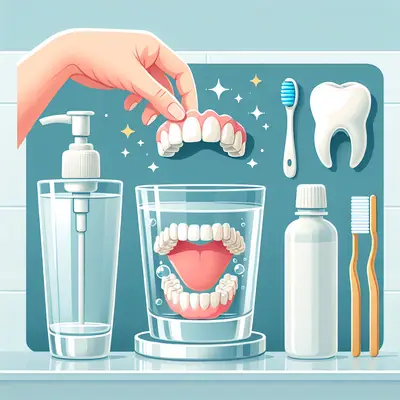
Begin by setting a consistent time for your evening care, ideally when you are not rushing and can give your dentures the attention they deserve. Rinse them under cool or lukewarm water immediately after removal to dislodge food particles before they dry and harden. Avoid hot water, which can subtly warp the acrylic over time and compromise the fit. Use a soft denture brush with gentle, linear strokes rather than aggressive scrubbing; imagine you are polishing a fine object, not scouring a dish.
Equally important is your own oral environment. After removing your dentures, softly brush your gums, tongue, and palate with a soft toothbrush to promote circulation and reduce plaque and yeast buildup. This improves comfort, reduces odor, and protects the delicate tissues that support your dentures. By pairing denture care with a quick yet intentional oral check—looking for redness, sore spots, or changes—you turn a simple routine into proactive self-care.
Insight 1: Curating a “Denture Care Station” at Home
Most advice tells you what to use; few talk about where and how to keep it. Creating a dedicated denture care station provides both convenience and consistency—and signals that your oral health deserves a premium, organized environment.
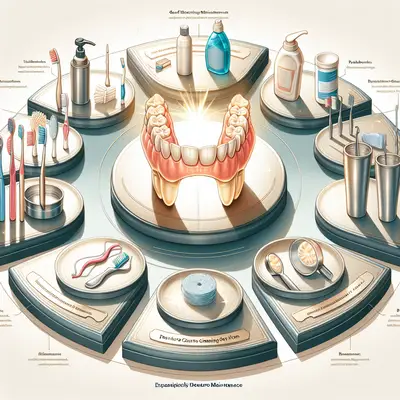
Designate a specific area, ideally near a sink with good lighting, where all your denture essentials live: a non-abrasive denture cleanser, soft-bristled brush, a container for soaking, and a clean, lint-free towel. Store items in a tray or box rather than loose around the sink to avoid cross-contamination and minimize the risk of dropping your dentures on hard surfaces.
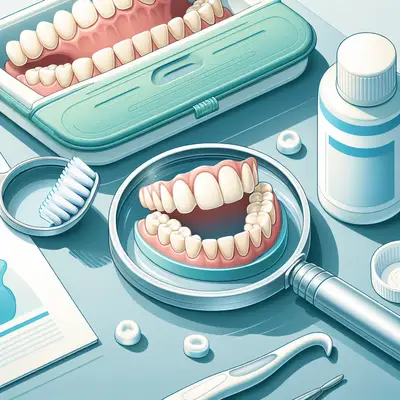
For added refinement, keep a small mirror or magnifying mirror in this station to examine your dentures for micro-cracks, staining along the gumline, or any buildup in hard-to-reach areas. This approach mirrors the way people care for jewelry or watches—organized, deliberate, and respectful of the object’s value. Over time, your care station becomes a quiet assurance that nothing about your denture routine is improvised or careless.
Insight 2: Preserving Fit Through Subtle Hydration Control
Dentures live in a moist environment, but the relationship between water, materials, and fit is more nuanced than most realize. Proper hydration is essential to prevent the acrylic from drying out and changing shape, yet the type of soaking solution and its consistency matter.
When not in your mouth, dentures should generally be kept in water or a recommended denture-soaking solution to prevent warping. However, avoid improvising with household substances such as vinegar, bleach, or baking soda pastes unless explicitly recommended by your dental professional; these can weaken metal components or roughen surfaces, creating microscopic pits that harbor bacteria and stains.
If you use a chemical denture cleanser tablet, follow the timing precisely and rinse thoroughly afterward to avoid residual taste and irritation to your oral tissues. A refined practice is to alternate: use a cleansing solution as directed several times a week, and on other nights, store dentures in clean, cool water only. This balanced approach respects the material’s longevity while maintaining hygiene. Think of it as calibrating hydration—never too harsh, never too lax.
Insight 3: Fine-Tuning Adhesive Use for Stability and Grace
Denture adhesive should enhance confidence, not become a crutch. Overusing it can conceal a poor fit that truly requires professional adjustment, while underusing it can compromise comfort and function.
Apply adhesive as if you are tailoring a garment: strategically and sparingly. Use thin, short strips or dots rather than a continuous thick line. This helps prevent the adhesive from oozing over the edges, which can feel messy, affect taste, and contribute to plaque on the denture surface. If you find yourself layering adhesive to achieve stability, it may indicate that the base no longer matches the contours of your gums and needs a reline or adjustment.
Equally important is proper removal. At the end of the day, gently massage your gums with a warm, damp cloth or soft toothbrush after removing adhesive residue. This not only refreshes the tissues but also helps you detect any areas of tenderness or excessive pressure early, before they become ulcers. Refinement in adhesive use is less about “more hold” and more about a precise, elegant balance between mechanical fit and supportive enhancement.
Insight 4: Training Your Diet as a Subtle Maintenance Tool
What you eat does far more than test your dentures—it quietly maintains them. Thoughtful food choices can protect surfaces, reduce staining, and even help preserve the underlying bone and soft tissues.
Consider incorporating foods that encourage chewing without being unnecessarily aggressive. Steamed vegetables, tender proteins, and well-cut fruit provide resistance without undue strain. Cut tougher items, such as crusty bread or firm meats, into smaller, more manageable pieces. This reduces pressure on any single point of your denture and keeps the forces distributed more evenly, which supports long-term fit and comfort.
Be mindful of drinks and foods that stain—coffee, red wine, dark teas, and richly colored sauces. While you need not eliminate them, rinsing your mouth and dentures with water after consumption can dramatically reduce discoloration over time. In this way, your diet becomes part of your maintenance strategy, preserving not only the integrity of your dentures but also the poise of your smile.
Insight 5: Scheduling “Quiet Checks” With Your Dental Professional
Many denture wearers wait until something feels wrong before seeking help. A more refined approach is to integrate quiet, preventative check-ins with your dentist or prosthodontist—even when everything seems fine.
Over time, your jawbone and gums naturally change shape, especially after tooth loss. A denture that fit impeccably two years ago may now be subtly shifting, creating micro-movements that irritate tissues, foster sore spots, or accelerate bone resorption. Annual, or in some cases semi-annual, professional evaluations allow for discreet relines, minor adjustments, and early detection of issues such as fungal infections, irritation, or pre-cancerous lesions on the soft tissues.
Treat these visits as you would a tailored suit fitting: nothing dramatic, simply a quiet assurance that what you rely on daily is still serving you impeccably. This proactive rhythm reduces the likelihood of emergency repairs and helps maintain both comfort and aesthetics with minimal disruption.
Integrating Denture Care Into a Broader Wellness Mindset
Denture maintenance is not an isolated task; it sits within a larger framework of overall wellness. Hydration, nutrition, and systemic health all influence how your mouth feels and how well your dentures perform. Certain medications, for example, can cause dry mouth, which affects denture comfort and increases the risk of irritation and infection. Discussing these factors openly with your dental professional helps refine your care plan in a way that aligns with your lifestyle and health status.
Equally, don’t overlook the emotional aspect. A well-maintained denture supports clear speech, relaxed conversation, and an easy smile—quietly reinforcing social confidence. Knowing that your daily routine is meticulous yet manageable can reduce anxiety about public dining, photographs, or close conversation.
By elevating your denture maintenance into an intentional, elegant ritual, you protect more than a prosthetic device. You protect your self-presentation, your comfort, and your ease in the world—day after day.
Conclusion
Exquisite denture care is not about complexity; it is about precision, consistency, and respect for the details. By curating a dedicated care station, managing hydration thoughtfully, fine-tuning adhesive use, aligning your diet with your oral needs, and embracing quiet professional check-ins, you transform maintenance from a basic obligation into a refined daily practice.
In doing so, your dentures cease to be a reminder of loss and instead become a testament to considered care—a discreet, polished element of your overall presence.
Sources
- American Dental Association – Dentures - Overview of denture types, care recommendations, and professional guidance
- Mayo Clinic – Dentures: How to Care for Them - Practical, evidence-based instructions for day-to-day denture maintenance
- Cleveland Clinic – Dentures - Detailed discussion of fit, adjustments, and long-term oral health considerations
- National Institutes of Health (NIH) – Oral Health for Older Adults - Explores broader oral health issues, including denture use, in aging populations
- Columbia University College of Dental Medicine – Complete and Partial Dentures - Professional perspective on denture design, fit, and follow-up care
Key Takeaway
The most important thing to remember from this article is that this information can change how you think about Maintenance Tips.