A well-made denture does more than restore a smile; it restores presence, confidence, and composure. Yet even the most meticulously crafted prosthesis will only perform at its best when matched with equally meticulous care. Think of denture maintenance not as a chore, but as a daily grooming ritual—one that protects your investment, refines your comfort, and preserves the quiet luxury of a polished, natural-looking smile.
Below, you’ll find a refined approach to denture maintenance, including five exclusive insights that discerning denture wearers rarely hear in the average clinic—or see on a routine care leaflet.
Elevating the Basics: Foundations of Impeccable Denture Care
At its core, denture maintenance begins with three essentials: gentle cleansing, controlled hydration, and consistent inspection. While the fundamentals may sound familiar, the execution is where sophistication matters.
Clean your dentures at least once daily with a soft-bristled brush and a non‑abrasive denture cleanser. Ordinary toothpaste, especially whitening formulas, often contains abrasives that can create microscopic scratches on the acrylic. Over time, these tiny grooves become a haven for stain and bacteria, dulling the luster of the prosthesis and contributing to persistent odor.
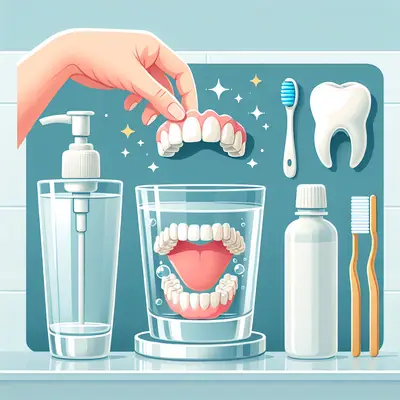
Equally important is controlled hydration. Dentures should remain moist when not in use, typically in cool or lukewarm water or a non‑corrosive soaking solution designed specifically for dentures. This helps prevent warping and cracking, particularly in warmer, drier environments. Avoid hot water: while it may seem like a shortcut to cleanliness, it can subtly distort the fit of the acrylic base—often just enough to cause hidden pressure points and sore spots.
Finally, treat inspection as part of your daily ritual. After cleansing, pause to examine the denture under bright light: check for hairline fractures, dullness, calcium deposits, or areas that feel rough to the fingertip. Early detection allows for minor adjustment or professional polishing before issues progress into fracture, irritation, or embarrassing instability.
The Nighttime Interval: Restoring Tissues and Protecting the Prosthesis
Night is when both your dentures and your oral tissues should recover. Leaving dentures in around the clock may seem convenient, but continuous wear increases the risk of inflammation, fungal overgrowth (especially Candida), chronic irritation, and even bone resorption over time.
Removing your dentures at night allows your gums and underlying bone to rest, recover, and breathe. After removal, gently brush your gums, tongue, and palate with a soft toothbrush or a moist gauze pad. This simple step improves circulation, reduces plaque in the mouth, and supports a healthier environment for daytime wear.
During this interval, your dentures should be cleaned and stored properly. If you use an effervescent cleansing tablet or a professional denture cleanser, follow the recommended immersion time; soaking for excessively long periods in strong solutions can gradually weaken metal components or lighten pink acrylic in a way that looks artificial. Think of this as controlled care rather than “set it and forget it” soaking.
If you experience chronic dryness in your mouth overnight, speak with your dental professional about saliva substitutes, moisturizing gels, or adjustments to medications under medical supervision. A well-hydrated oral environment enhances comfort and reduces the friction that can lead to sore spots and micro‑abrasions.
Five Exclusive Insights for the Discerning Denture Wearer
Beyond the standard advice, there are nuanced practices that elevate denture care from acceptable to exceptional. These five insights address subtleties that long-term denture wearers—and clinicians—quietly value.
1. Use a “Soft Landing Zone” to Prevent Invisible Damage
A surprising number of denture fractures occur not in the mouth, but at the sink. Acrylic can chip or crack from even a modest drop onto porcelain or stone. To protect your prosthesis, always clean your dentures over a “soft landing zone”: partially fill the sink with water, or place a folded, plush towel beneath your cleaning area.
This simple, discreet habit protects against invisible hairline cracks that may not be immediately apparent but eventually compromise fit, aesthetics, and function. For those traveling frequently, a compact, padded cleaning tray or container can replicate this protective environment wherever you are.
2. Rotate Cleaners Wisely: A Curated Cleansing Routine
Just as you might rotate skincare products to meet different needs, you can approach denture cleansing with similar intention. Use a gentle, non‑abrasive cleanser daily, and reserve stronger effervescent or antimicrobial solutions for periodic deep cleaning—perhaps two to three times per week, depending on your dentist’s guidance.
This curated approach avoids over‑exposure to harsh chemicals while still controlling biofilm, stain accumulation, and odor. It also helps protect any metal components and maintain the subtle, lifelike color of the denture base. For individuals prone to fungal issues, your dental professional may even recommend specific antifungal rinses or cleansers tailored to your situation.
3. Create a “Comfort Audit” to Anticipate, Not React to, Problems
Instead of waiting until discomfort becomes obvious, conduct a brief weekly “comfort audit.” While wearing your dentures, mentally check:
- Do they feel looser at the end of the day than in the morning?
- Are there particular foods that suddenly feel more difficult to manage?
- Do you notice any slight rubbing, burning, or redness by the end of a meal?
- Has your speech changed subtly—more clicking, lisping, or air escaping?
These early signals often precede more significant problems such as bone resorption, sore spots, or loss of suction. Record any changes in a small dedicated notebook or a notes app on your phone. Bringing this log to your dental appointments allows your provider to fine‑tune the fit with precision and helps plan relines or replacement at the right time, rather than in a crisis.
4. Match Your Diet to the Day’s Demands
While modern dentures are designed to handle a wide range of foods, demanding textures—tough meats, sticky caramels, hard crusts—can stress both the prosthesis and your supporting tissues, especially if fit is not perfect. This doesn’t mean you must forgo your favorite foods; it simply means aligning them with days when your mouth feels particularly fresh and rested.
On more demanding days (lengthy events, important meetings, extended travel), favor foods that are kind to your dentures and tissues: tender proteins, steamed vegetables, softer fruits, and grains. Cut firmer foods into smaller, manageable pieces and distribute chewing evenly on both sides. This strategic approach protects your dentures from excessive torque and preserves alignment and comfort, particularly if your bone structure has changed subtly over time.
5. Treat Polishing and Professional Review as an Annual Luxury, Not a Last Resort
Many denture wearers only seek professional care when something is obviously wrong—fracture, pain, or visible staining. A more elevated approach is to schedule annual (or semi‑annual) “denture wellness” visits, even when everything seems fine.
During these visits, your clinician can:
- Professionally polish the denture to restore its original luster
- Evaluate fit and suction, recommending relines before instability becomes obvious
- Assess your oral tissues for irritation, fungal issues, or early lesions
- Monitor bone and gum changes that may affect future fit and facial support
Think of this as the dental equivalent of a tailored garment being periodically refitted. You maintain not only comfort and function, but also the refined contours and fullness that support the lower third of the face—jawline, lips, and cheeks—in a natural, flattering way.
Safeguarding the Smile Behind the Smile: Oral Health Beyond the Prosthesis
Denture wear is not solely about the prosthesis; it is also about the health of the tissues, bone, and any remaining natural teeth that support it. Skipping oral care simply because natural teeth are missing is a common and costly mistake.
If you have partial dentures, continue a meticulous brushing and flossing routine around your remaining teeth. These teeth often bear more load and are critical anchors for the stability of your prosthesis. They also tend to be at higher risk of decay and gum disease due to the plaque‑trapping nature of some clasps and components.
Even with full dentures, daily cleaning of gums, tongue, and palate is essential. Massaging these tissues with a soft brush or cloth not only maintains hygiene, but also promotes circulation, comfort, and optimal adaptation to your prosthesis. Well‑cared‑for tissues support better suction and stability, reducing the need for over‑reliance on adhesives.
Finally, avoid using general household products—bleach, vinegar, abrasive powders, or hot water—as improvisational cleaners. While they may seem “strong,” they can damage the acrylic, alter color, corrode metal, and compromise the refined appearance of a professionally crafted denture.
Conclusion
Denture maintenance, at its best, is not an afterthought; it is an intentional ritual that respects both the craftsmanship of the prosthesis and the delicacy of the tissues that support it. By combining precise daily care, thoughtfully chosen cleansers, restorative nighttime habits, and periodic professional refinement, you extend not only the life of your dentures but also the confidence and composure they bring to every interaction.
When cared for with this level of attention, dentures cease to be a mere replacement for missing teeth. They become a discreet, beautifully maintained accessory—quietly supporting the way you speak, smile, and present yourself to the world.
Sources
- American Dental Association – Dentures – Overview of denture types and essential care recommendations from the ADA
- Mayo Clinic – Dentures: How to Care for Them – Practical guidance on cleaning, handling, and wearing dentures safely
- Cleveland Clinic – Dentures – Detailed information on denture maintenance, fit, and when to seek professional adjustments
- National Institute of Dental and Craniofacial Research – Oral Health in Older Adults – Context on oral health, tissue care, and common issues among older adults, including denture wearers
Key Takeaway
The most important thing to remember from this article is that this information can change how you think about Maintenance Tips.