In a week when Haley Weaver’s “Haley Drew This” comics on mental health and everyday life are circulating widely online, one theme is striking: people are craving gentler, quieter rituals that make daily life feel a little more intentional. Her panels—small, relatable moments about brushing teeth at night, making tea, or simply getting out of bed—remind us that the smallest habits often carry the greatest emotional weight.
For denture wearers, oral hygiene is one of those rituals. It is not just about keeping a prosthesis clean; it is about preserving dignity, confidence, and comfort in the most intimate part of our appearance: the smile. Inspired by this cultural shift toward mindful, everyday care, here are five elevated, quietly luxurious ways to rethink denture hygiene right now—beyond the generic soak-and-rinse routine.
1. Treat Your Nightly Denture Care as a Calming “Reset,” Not a Chore
The popularity of comics and content around mental health today reflects a collective need for small, grounding rituals. Denture hygiene can be one of them—if you allow it to be more than a rushed, end‑of‑day obligation.
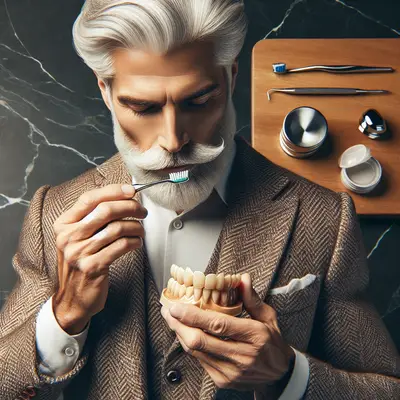
Instead of quickly removing your dentures and tossing them into a cup, build a deliberate two‑part ritual: first, an elegant cleansing routine, then a brief oral massage for your gums. Remove your dentures over a soft towel or basin of water to avoid chipping, then cleanse using a non‑abrasive denture cleanser and a dedicated, soft-bristled denture brush. As they soak, spend one to two minutes gently massaging your gums, palate, and inner cheeks with a clean fingertip or a soft, damp cloth. This simple act promotes circulation, reduces residual tension from wearing dentures all day, and turns maintenance into a moment of self‑care. The goal is to pair impeccable hygiene with a sensation of calm—so your evening routine feels restorative, not clinical.
2. Separate “Glamour Care” from “Health Care” for Your Dentures
Much like the distinction between makeup and skincare, there is a difference between what makes dentures look appealing and what keeps your mouth genuinely healthy. The current focus on authenticity and mental well‑being, amplified in online comics and social posts, is a helpful reminder: appearance without underlying health is not enough.
“Glamour care” includes polishing your dentures, ensuring they are stain‑free, and using adhesives judiciously so your smile looks seamless in photographs or social situations. “Health care,” however, is the less visible work—proper overnight soaking in a cleanser that eliminates biofilm and odor‑causing bacteria, regular cleaning of the tongue and palate, and meticulous rinsing after adhesive use. Many people excel at the first and neglect the second. For a truly elevated routine, schedule both: a quick appearance check before you leave home, and a non‑negotiable, thorough cleaning each evening. Over time, this approach protects both the aesthetic life of your dentures and the health of the tissues that support them.
3. Curate a Dedicated Denture Care Station—Not Just a Cup on the Counter
One subtle trend woven through today’s lifestyle content is the desire to make even ordinary spaces—desks, nightstands, bathroom counters—feel curated and intentional. Denture wearers can benefit immensely from this idea by creating a dedicated, discreet care station instead of scattering products around the sink.
Select a small tray or lidded box that complements your bathroom aesthetic. Within it, assemble a premium denture brush, a high‑quality, non‑abrasive cleanser, a soft cotton cloth for drying, and a ventilated storage container for travel. Consider a separate, elegant glass or ceramic vessel for soaking—something that feels more like a carefully chosen accessory than a utilitarian cup. This refined setup does more than please the eye: it keeps your products clean, easily accessible, and encourages consistency. When care items are beautifully arranged and always at hand, you are far less likely to skip proper cleaning or resort to harsh improvisations like regular toothpaste, which can scratch denture surfaces over time.
4. Synchronize Your Denture Routine with Regular Oral “Screenings”
Modern conversations around mental health stress the importance of regular check‑ins—not just reacting when something feels wrong. A similarly proactive philosophy belongs in denture hygiene. Instead of waiting for sore spots, odor, or looseness to appear, build a quiet daily “screening” into your cleaning ritual.
Each evening, once your dentures are removed and rinsed, take a slow, methodical look at your mouth in a well‑lit mirror. Examine your gums, the palate, and the corners of your mouth for any redness, white patches, ulcers, or changes in texture. Run a clean finger gently along the ridge where your dentures sit to feel for areas of tenderness or thickening. Then, inspect the dentures themselves—any hairline cracks, rough edges, or areas that seem more porous can trap bacteria and irritate tissue. This daily review does not replace professional care, but it allows you to notice early shifts long before they become painful or complicated. Timely adjustments and cleanings from your dentist or prosthodontist then become refinements, not emergencies.
5. Upgrade the “Invisible Factors”: Hydration, Saliva, and Breath
In the same way that mental health comics highlight invisible struggles, much of what determines elegant denture hygiene is also unseen—particularly saliva quality, hydration, and breath chemistry. These factors are often overlooked yet crucial for comfort and long‑term oral health.
Dry mouth, whether from age, medication, or health conditions, makes dentures harder to wear and increases the risk of fungal overgrowth and bad breath. An elevated routine addresses this gently but consistently: sipping water throughout the day instead of relying solely on evening hydration; using alcohol‑free mouthrinses that respect the balance of the oral environment; and discussing persistent dryness with your dental professional, who may recommend saliva substitutes or specific products designed for denture wearers. Simple choices—like limiting sugary, acidic snacks that cling under dentures, or finishing the evening with a plain water rinse after any herbal tea or wine—help maintain a neutral, comfortable environment overnight. Together, these “invisible” details create the difference between merely clean dentures and a mouth that feels genuinely fresh, soothed, and refined.
Conclusion
As online culture increasingly celebrates the small, honest rituals of everyday life—from the quiet moments captured in “Haley Drew This” comics to the broader conversations about mental well‑being—denture hygiene deserves to be recognized as one of those subtle, meaningful practices. For denture wearers, caring for a smile is not only about prosthetic maintenance; it is about cultivating a private ritual of respect for your own comfort, confidence, and health.
By transforming your routine into something intentional—calming, curated, and quietly luxurious—you elevate oral hygiene from a task to a personal standard. The result is not just a well‑maintained denture, but a daily sense of composure each time you look in the mirror, knowing that even the most ordinary moments of care have been handled with exceptional attention.
Key Takeaway
The most important thing to remember from this article is that this information can change how you think about Oral Hygiene.