For discerning wearers, dentures are no longer a one‑size‑fits‑all solution; they’re a considered investment in comfort, aesthetics, and confidence. Understanding the nuances between denture types allows you to move beyond “what will work” and toward “what will feel and look exquisitely right for me.” This guide explores key categories of modern dentures with a refined lens—and shares five exclusive, often overlooked insights that experienced wearers quietly rely on when choosing their next prosthetic.
Understanding the Modern Landscape of Denture Types
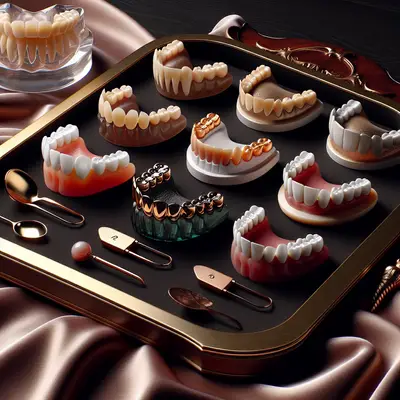
Denture options have expanded dramatically in recent years, moving far beyond the traditional full acrylic plate. At the broadest level, you’ll encounter complete dentures (for those missing all teeth in a jaw), partial dentures (for selective tooth loss), and implant‑supported designs (for enhanced stability and function). Each of these categories can be further customized in terms of materials, tooth design, base aesthetics, and how they interact with your existing oral structures.
Complete dentures are typically crafted from high‑quality acrylic resins with carefully layered shades that imitate natural gum tones. Partial dentures may incorporate metal frameworks, flexible polymers, or a combination, depending on how discreet and lightweight you wish them to feel. Implant‑retained or implant‑supported dentures, meanwhile, are secured to titanium fixtures in the jaw, significantly reducing movement and enhancing chewing power. The most important realization is this: these are not simply technical choices but lifestyle decisions. The right type will reflect your priorities around stability, appearance, maintenance, and how actively you wish to participate in social dining and conversation.
Complete Dentures: A Clean Slate for a New Smile
Complete dentures are often chosen when all remaining teeth in the upper or lower jaw (or both) are removed. Properly designed, they can restore facial support, refine lip contours, and reintroduce a pleasing smile line that feels proportionate to your features. The upper denture gains natural suction from the palate, while the lower denture rests on a narrower, more mobile ridge—making its stability more dependent on meticulous fit, muscle control, and strategic design nuances.
Today’s premium complete dentures pay close attention to tooth shape, translucency, and alignment to avoid a “uniform” or overly perfect appearance that can betray their artificial nature. Subtle rotations, carefully varied tooth lengths, and natural gradations in shade can create a more authentic result. High‑end bases may incorporate multi‑tonal gums with delicate characterization to reflect natural anatomy. Wearers who prioritize a serene, secure experience often pair lower complete dentures with implants—transforming what can be the most unstable prosthesis into one of the most reliable.
Partial Dentures: Quietly Filling the Gaps
Partial dentures are designed to work in harmony with your remaining natural teeth, restoring chewing function and preserving the alignment of your bite. At their most traditional, they consist of a finely cast metal framework with acrylic teeth and gum‑colored resin, using discreet clasps to anchor to existing teeth. When thoughtfully positioned, these clasps can be hidden toward the back or integrated into less noticeable zones, preserving the elegance of your smile.
For those who prefer a softer aesthetic, flexible partial dentures made from advanced nylon‑like polymers offer gum‑colored bases and near‑invisible clasps that blend with the soft tissues. While they can be incredibly comfortable, they are best suited to specific clinical situations; they may not be ideal when extensive support, precise bite control, or repairability is a priority. A premium approach often involves combining fixed dentistry (like crowns) with a removable partial designed to integrate seamlessly, creating a polished yet adaptable solution that evolves with your oral health.
Implant‑Supported Dentures: Discreet Security and Elevated Function
Implant‑supported dentures—sometimes called overdentures or fixed hybrid prostheses—offer a distinct step up in stability and confidence. Small titanium implants are placed into the jawbone, acting as anchors. The denture then either snaps onto special attachments (for a removable option) or is secured with screws (for a fixed, dentist‑removable solution). The result is dramatically reduced movement, fewer sore spots, and a more natural chewing experience.
Beyond sheer function, implant‑supported dentures allow for more refined aesthetics: the teeth can be positioned with greater precision, the palate can sometimes be left open on upper prostheses for improved taste and speech, and the profile of the face can be better supported. Though the initial investment is higher, many wearers view this choice as a long‑term enhancement in quality of life. With appropriate maintenance and periodic professional care, these restorations often become the quiet backbone of a highly active, social lifestyle—where your smile simply keeps pace without demanding constant attention.
Premium Materials and Aesthetic Customization
Across all denture types, the true mark of a sophisticated prosthesis lies in the details. Tooth materials now range from conventional acrylic to highly wear‑resistant composite and advanced ceramics in certain hybrid systems. These allow for more nuanced translucency, surface texture, and color layering so that your teeth interact with light in a way that feels convincingly natural rather than flat or opaque. Premium setups often involve careful trials where you assess not only the appearance but how the teeth look under different lighting and in candid expressions—not just a static smile.
The base material can also be customized. High‑end acrylics are polished to a glassy yet natural sheen, and subtle gum “stippling” can mimic healthy tissue. For patients with metal sensitivities or aesthetic concerns about any visible framework, alternative polymers and hidden attachment systems can be explored. Rather than accepting the first version presented, sophisticated wearers often collaborate over several visits, refining tooth length, midline positioning, and even the slight asymmetries that make a smile feel truly individual.
Five Exclusive Insights Seasoned Denture Wearers Rely On
These insights rarely make it into standard brochures, but experienced denture wearers and discerning clinicians quietly prioritize them when selecting or upgrading a prosthesis:
Micro‑Fit Matters More Than Material Alone
While premium materials are important, the microscopic precision of the fit often has a greater impact on comfort and confidence. A carefully adjusted border, subtly reshaped flange, or precisely relieved pressure point can transform an acceptable denture into an exceptional one. When evaluating types, look for a practice that emphasizes multiple fitting visits and fine‑tuning—not a rushed, single‑appointment delivery.
Your Facial Profile Is as Important as Your Smile Line
The best dentures are designed not only for your teeth but for your entire face. Tooth position and base thickness can influence lip fullness, the curve of your smile, and even apparent age. Implant‑supported options, in particular, allow more controlled support of the lips and cheeks. When previewing a design, assess yourself in profile and at rest, not just smiling in the mirror.
Chewing Habits Should Drive Structural Choices
A quiet conversation about your true eating habits—tough meats, crunchy vegetables, or preference for softer cuisine—should inform your denture type. Heavy chewers may derive far greater benefit from implant‑retained dentures or robust metal‑framework partials, whereas light eaters who prioritize discretion may find flexible partials or lightweight complete dentures entirely satisfactory. Ignoring this nuance often leads to frustration later.
Refinement Visits Are Part of a Premium Experience, Not a Problem
Many new wearers assume that post‑delivery adjustments indicate a flaw. In reality, planned refinement visits for pressure point relief, bite calibration, and esthetic tweaking are hallmarks of a high‑caliber approach. When comparing denture options, ask how the practice structures follow‑up care and whether incremental refinements are built into your treatment plan.
Long‑Term Adaptability Is a Strategic Advantage
Bone and soft tissues continue to change subtly over time, especially after extractions. Denture designs that can be relined, adjusted, or upgraded—such as transitioning a conventional lower denture to an implant‑retained overdenture later—offer a strategic advantage. A slightly higher initial investment in a “future‑ready” approach can spare you from starting over when your needs evolve.
Choosing the Denture Type That Matches Your Lifestyle
Selecting the right denture type is ultimately about aligning your lifestyle, preferences, and long‑term expectations with what modern prosthetics can offer. If you travel often or value simplicity, a well‑designed conventional complete or partial denture with reliable maintenance routines may serve you beautifully. If dining out, public speaking, or a highly active social calendar are central to your life, implant‑supported solutions may feel more congruent with the way you live.
A premium consultation should feel more like a tailored fitting than a sales conversation. Expect discussions about your daily routines, past experiences with dental work, aesthetic goals, and willingness to invest in long‑term stability. Request visual examples, try‑ins, and a roadmap for maintenance. When these elements are in place, your chosen denture type becomes more than a prosthesis—it becomes an understated, dependable extension of your personal style.
Conclusion
Modern dentures, at their best, combine technical precision with quiet elegance. Whether you choose complete, partial, or implant‑supported designs, the true luxury lies in a prosthesis that feels intuitively “yours”—secure in motion, natural in appearance, and considerate of how you live each day. By understanding the distinctions between denture types and embracing the nuanced insights seasoned wearers already know, you can invest in a smile that supports not only your bite, but your refined sense of self.
Sources
- American College of Prosthodontists – Dentures Overview – Clinical overview of complete, partial, and implant‑supported dentures
- Mayo Clinic – Dentures: What to Expect – General guidance on types, process, and adaptation
- Cleveland Clinic – Dentures – Detailed explanation of denture options, care, and fit considerations
- National Institute of Dental and Craniofacial Research (NIDCR) – Tooth Replacement – Educational resource on prosthetic tooth replacement, including implants and dentures
- Harvard Health Publishing – Dental Implants and Alternatives – Discussion of implants and related prosthetic options, useful for evaluating implant‑supported dentures
Key Takeaway
The most important thing to remember from this article is that this information can change how you think about Denture Types.