Modern dentures are no longer a one‑note solution; they’re sophisticated, finely tuned prosthetics designed to harmonize with the way you live, work, and socialize. Selecting the right denture type is less about settling and more about curating—balancing aesthetics, function, and long‑term oral health in a way that feels distinctly your own.
This guide explores the principal denture types through a refined lens and then offers five exclusive, under‑discussed insights that discerning denture wearers consistently value but rarely hear in a standard consultation.
Understanding Today’s Denture Landscape
Not all dentures serve the same purpose, and subtle distinctions can have a profound impact on comfort and confidence. While your dentist or prosthodontist will guide the clinical details, understanding the broader categories allows you to ask sharper questions and advocate for the finer points that matter to you.
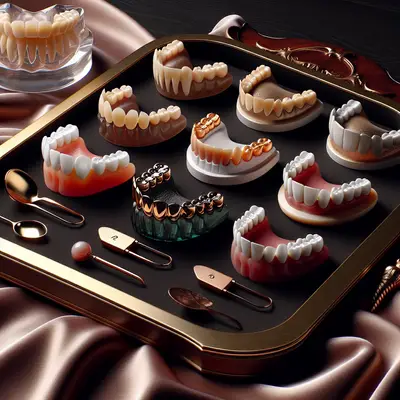
Complete (full) dentures are designed for those who have lost all teeth in an arch—upper, lower, or both. They rely on a careful marriage of fit, suction, and muscle coordination, with the upper denture typically benefiting from a broader surface area and palate coverage. Partial dentures fill gaps where some natural teeth remain, using discreet clasps or precision attachments to integrate seamlessly with your existing dentition.
Implant‑supported dentures—the most transformative category for many—use titanium implants anchored in the jawbone to stabilize a removable or fixed prosthesis. Overdentures, a refined variation, may sit over a few preserved roots or implants, enhancing stability and helping maintain bone volume. Within each type, variations in material, design, and attachment systems can be tailored to your priorities: ultimate stability, minimal bulk, minimal metal, or maximum ease of maintenance.
The Aesthetic Spectrum: Beyond “Natural Looking”
A denture’s true elegance lies in how convincingly it disappears into your overall appearance. That starts with tooth shade and shape, but it certainly doesn’t end there. High‑quality prosthetic teeth now offer layered translucency, surface texture, and subtle characterizations (like faint craze lines or slight rotation) that mimic the irregularities of natural enamel—critical for avoiding that uniform, “one‑size‑fits‑all” look.
Gum (gingival) aesthetics are equally significant. Premium dentures allow for custom tissue shading—blending several pink tones to emulate your natural gum color and even incorporate the suggestion of natural contours, papillae, and slight variegation. For those with a high smile line (where the gums show when you smile), this level of customization can be the difference between “that looks nice” and “I never would have guessed.”
The base design itself can also be refined. Thinner, well‑polished borders feel and look less bulky at the corners of the mouth. Strategic tooth positioning can gently support the lips and soften facial folds without creating an overfilled or artificial profile. A discerning approach views the denture not as an isolated object, but as a key element in overall facial aesthetics.
Precision Fit: How Different Denture Types Behave in Daily Life
Each denture category behaves differently in real‑world use, and understanding those nuances can help you choose a type that aligns with your expectations and tolerance for maintenance.
Traditional full dentures depend on close adaptation to the gums and underlying bone, which continue to change over time. As bone remodels and resorbs, especially after extractions, a once‑perfect fit can gradually loosen, making relines or even remakes necessary. Upper dentures typically achieve more reliable retention than lower ones due to palate coverage, which is why some people find the lower denture more challenging.
Partial dentures leverage your remaining teeth as anchors. Well‑planned partials distribute biting forces across teeth and soft tissue, protecting individual teeth from overload. Precision attachments, instead of visible metal clasps, can create an exceptionally discreet appearance, though they require meticulous cleaning and periodic maintenance to keep the fittings snug.
Implant‑supported dentures transform function by locking into place via bars, locator attachments, or screws. Day‑to‑day, this often translates into more confidence when biting, fewer sore spots, and significantly reduced reliance on adhesives. However, implants demand a commitment to impeccable hygiene and regular professional monitoring. The reward is a more stable, predictable prosthetic experience that can feel markedly closer to natural teeth.
Five Exclusive Insights Savvy Denture Wearers Quietly Swear By
Beyond the standard advice, there are subtler considerations that experienced denture wearers—and the clinicians who work with them closely—recognize as game‑changers. These five insights can help you move from “acceptable” to “exceptional” in your denture journey.
1. The “Soft Tissue Personality” of Your Mouth Matters
Not all gums behave the same under a denture, and this has real implications for the denture type you choose. Some people have firm, fibrous ridges that provide robust support; others have more compressible, mobile tissue that tends to shift under pressure. Implant‑supported or overdenture designs can be especially beneficial when tissue is soft or the ridge has resorbed, because they reduce the reliance on unstable soft tissue alone.
A refined consultation will include a careful assessment of your ridge shape, tissue thickness, and areas prone to movement. For example, a flabby ridge in the front portion of the upper jaw may prompt your clinician to modify the denture base or consider implants in that region, preventing chronic rocking and sore spots.
2. Bite Design Is as Important as the Denture Material
Discerning denture wearers often notice that comfort during chewing is less about what the denture is made of and more about how the bite (occlusion) is designed. The angle, shape, and contact of the denture teeth can dramatically influence stability, muscle comfort, and even jaw joint (TMJ) health.
A sophisticated approach may use “balanced occlusion” or “lingualized occlusion,” where the back teeth are arranged so that your dentures remain more stable during side‑to‑side and forward movements. For some, slightly flatter back teeth can minimize tipping forces and sore spots. For others, a more anatomical tooth form provides the biting efficiency they desire. Asking your dentist how they intend to design your bite—not just which teeth they’ll use—opens a conversation that directly impacts your daily comfort.
3. Strategic Tooth and Lip Support Can Rejuvenate (or Distort) the Face
One of the most under‑appreciated aspects of denture design is its effect on facial structure. Well‑positioned denture teeth and carefully contoured acrylic can subtly restore support to collapsing lips and cheeks without creating that overfilled, “done” appearance.
For wearers concerned about a sunken or aged look, implant‑supported or well‑designed complete dentures can gently restore vertical dimension—the distance between your upper and lower jaws when your teeth meet. When this dimension is thoughtfully re‑established, the lower face often appears more uplifted, fine lines may soften, and the jawline can appear more defined. Conversely, an overly “opened” bite or excessively prominent teeth can strain the jaw and look contrived. The most elegant dentures are those that enhance, not announce, their presence.
4. Different Denture Types Age Differently—Plan for the Long Game
A discerning choice considers not only how a denture feels on day one, but how it will age over five to ten years. Traditional full dentures will require relines as the jawbone remodels, and over time, the relationship between the denture and the facial muscles may shift. Acrylic teeth can gradually wear, affecting your bite and chewing efficiency.
Implant‑supported dentures involve a different aging profile. While the prosthetic components may need maintenance or replacement of clips, attachments, or even the denture itself, the underlying implants—if cared for diligently—can help preserve bone height and facial contours. Overdentures that use retained roots or implants often strike a balance: improved stability and bone preservation with the flexibility to update or refine the denture portion as your needs evolve.
Thinking ahead—asking about expected lifespan, maintenance intervals, and how easily each system can be updated—allows you to invest in a configuration that aligns with your long‑term expectations, not just your immediate concerns.
5. Subtle Material Choices Influence Daily Comfort and Sound
While aesthetics and stability often take center stage, connoisseurs of well‑made dentures pay attention to subtler sensory details: how the denture feels against the tongue, how it affects speech resonance, and even the soft “clink” of teeth when they meet.
Slight variations in base thickness and contour influence how quickly your tongue adapts, particularly for upper dentures. Thinner, well‑polished borders can make speech adaptation smoother and reduce the feeling of “bulk.” In some designs, using slightly different acrylics or advanced composites for the teeth can alter how sound carries when you speak or laugh, affecting the perceived naturalness of your voice.
For implant‑supported options, the type of attachment (for example, a bar vs. individual locator attachments vs. a screw‑retained fixed bridge) subtly alters the way the prosthesis transmits vibrations through bone and soft tissue. Many wearers describe a more grounded, “connected” sensation with fixed implant restorations. These nuances are best discussed openly with your clinician—particularly if you are sensitive to how your mouth feels and sounds in social or professional contexts.
Matching Denture Type to Lifestyle, Not Just Anatomy
Once you understand the range of denture types and the subtler influences on fit, aesthetics, and longevity, the final step is aligning your choice with your day‑to‑day life. Someone who travels frequently may prioritize a solution that is extremely stable, easy to clean in unfamiliar environments, and less dependent on access to adhesives or frequent adjustments—making implant‑supported designs particularly appealing.
Those who value maximum reversibility or anticipate significant changes in health may gravitate toward exceptionally well‑crafted traditional or partial dentures that can be adjusted or remade with relative ease. For individuals whose work demands public speaking or close interpersonal interaction, the emphasis may shift toward impeccable phonetics, discreet gum aesthetics, and carefully calibrated lip support.
A premium denture experience is less about subscribing to a single “best” type and more about orchestrating the right combination of technology, design decisions, and maintenance rituals to suit your own standards of comfort and elegance. When you approach your prosthetic smile as something to be tailored rather than tolerated, each clinical decision becomes an opportunity to refine—not just replace—your natural expression.
Conclusion
Modern denture types offer a spectrum of possibilities far richer than the traditional notion of “false teeth.” From full and partial designs to sophisticated implant‑supported systems, the choices at your disposal can be curated to reflect your aesthetic sensibility, functional expectations, and long‑term health goals.
By looking beyond basic categories and embracing quieter but crucial details—soft tissue behavior, bite design, facial support, long‑term aging, and subtle material influences—you position yourself to achieve not just a serviceable prosthesis, but a prosthetic smile that integrates gracefully into your life. With a thoughtful partnership between you and your dental team, your dentures can become an understated yet powerful instrument of confidence, poise, and enduring comfort.
Sources
- American College of Prosthodontists – Dentures Overview – Clinical overview of complete, partial, and implant‑supported dentures and their indications.
- Mayo Clinic – Dental Implants – Explains how dental implants work and why they are often paired with dentures.
- Cleveland Clinic – Dentures: Types, Care & Complications – Detailed discussion of denture types, fit, and common challenges.
- National Institute of Dental and Craniofacial Research (NIDCR) – Tooth Replacement Options – Government resource outlining different tooth replacement approaches, including dentures and implants.
- Johns Hopkins Medicine – Dental Prosthetics and Implants – Describes implant therapy and its role in stabilizing prosthetic teeth.
Key Takeaway
The most important thing to remember from this article is that this information can change how you think about Denture Types.