Selecting the right denture is no longer a binary choice between “full” and “partial.” Today’s prosthetic smiles are curated—designed as much around lifestyle, facial aesthetics, and long‑term oral health as they are around simply replacing missing teeth. For the discerning wearer, understanding the nuances between denture types is the first step toward a solution that feels less like a compromise and more like a quiet luxury you live with every day.
This guide explores the principal denture categories through a refined lens—and reveals five exclusive, often overlooked insights that can elevate your experience from merely functional to impeccably bespoke.
The Modern Landscape of Denture Types
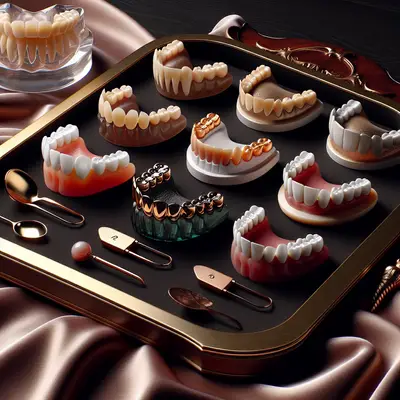
Modern prosthetic dentistry has evolved far beyond the standard pink acrylic plate. While the core categories—complete, partial, and implant‑supported dentures—remain the foundation, each now includes sophisticated variations tailored to different clinical needs and aesthetic priorities.
Conventional complete dentures replace all teeth in an arch after any remaining teeth are removed and the tissues have healed. They are carefully fabricated to harmonize with your bite, facial proportions, and even lip support, but require an interim adjustment period as your mouth adapts. Immediate dentures are placed the same day teeth are removed, offering uninterrupted aesthetics, but they usually need relining or replacement as gums and bone reshape during healing.
Partial dentures fill the gaps when some natural teeth remain. These can be made with a metal framework for strength and precision, or with flexible materials for enhanced comfort and a more discreet appearance. For many, they represent a balance between preserving existing teeth and restoring a complete smile. Overlaying all of this is the realm of implant‑supported dentures, which use titanium implants in the bone to secure the prosthesis, offering heightened stability, bite power, and bone preservation.
Within each type, there are additional refinements—premium acrylics, high‑impact bases, lifelike composite teeth, and digital design workflows—that can transform a basic prosthesis into a highly customized, long‑wearing investment in your appearance and comfort.
Complete Dentures: Crafting a New Baseline for Your Smile
Complete dentures are more than a full replacement of teeth; they effectively reset the foundation of your lower face. When carefully designed, they can subtly restore lip fullness, smooth facial lines around the mouth, and reestablish a balanced lower facial height that may have collapsed after years of tooth loss.
Upper complete dentures typically achieve stability through a combination of precise fit and a delicate seal with the palate, while lower dentures are more challenging due to tongue movement and reduced surface area. This makes meticulous border shaping and muscle‑aware design essential to comfort and retention. Your clinician may consider your speech patterns, cheek support, and even preferred diet while determining tooth size, shape, and arrangement.
Material choices can dramatically influence both aesthetics and longevity. Premium denture teeth tend to resist wear and staining better, which helps maintain your facial proportions and bite relationship over time. Subtle shading in the acrylic, delicate translucency at the tooth edges, and natural‑looking gum contours can all contribute to a result that appears refined rather than artificial.
A critical, often underestimated aspect of complete dentures is the adaptation period: salivary flow changes, minor sore spots, and the need for incremental adjustments are normal. Patients who approach this as a series of fine‑tuning appointments—like tailoring a bespoke garment—tend to achieve a more harmonious and satisfying outcome.
Partial Dentures: The Art of Preserving What You Have
Partial dentures occupy a uniquely strategic place in restorative care: they complete your smile while respecting and stabilizing your remaining natural teeth. Rather than simply “filling spaces,” a well‑designed partial supports the bite, prevents neighboring teeth from drifting, and can reduce stress on individual teeth that would otherwise be overburdened.
Traditional metal‑framework partials use precisely fitted clasps and rests on selected teeth for strength and stability. When thoughtfully designed, these supports distribute chewing forces more evenly and can be extremely durable, often lasting many years with periodic maintenance. For those with aesthetic concerns, clasps can sometimes be positioned strategically to be minimally visible or combined with tooth‑colored attachments.
Flexible partial dentures, often made from nylon or similar materials, provide a softer, more adaptive fit that some wearers find exceptionally comfortable. They can be particularly appealing in the aesthetic zone, where metal may be less discreet. However, they are not ideal for every situation; they may offer less rigid support than metal frameworks and can be more challenging to adjust or repair.
What distinguishes a truly refined partial is how seamlessly it integrates with your natural teeth—color matching, tooth morphology, and gum contours are all considered. The aim is not just to “fill gaps,” but to create a unified, stable dental environment that respects both function and appearance, preserving your existing teeth for as long as possible.
Implant-Supported Dentures: Elevated Stability and Discreet Confidence
Implant‑supported dentures sit at the intersection of restorative dentistry and subtle luxury. By anchoring the denture to implants placed in the jawbone, they offer a level of stability, chewing efficiency, and bone preservation that conventional dentures cannot match.
There are two main configurations. Overdentures “snap” onto implants via specialized attachments, allowing the denture to be removed for cleaning while remaining secure during daily wear. This design significantly reduces movement, particularly in the lower jaw, making speaking and eating more natural and confident. Fixed implant dentures, by contrast, are screw‑retained and only removable by the dental team; these feel closer to natural teeth and can support a more streamlined, palate‑free design.
Beyond comfort, implants help maintain jawbone volume by transmitting functional forces into the bone, slowing the resorption that typically follows tooth loss. Over time, this can contribute to more stable facial contours and a more youthful lower facial profile. For many, this is as much an aesthetic decision as it is a functional one.
Implant‑supported solutions do require a more substantial initial investment of time, cost, and planning. Healing phases, temporary restorations, and precise imaging are all part of the process. However, for those who prioritize long‑term stability, natural speech, and confidence while dining in social or professional settings, the result often feels like a profound quality‑of‑life enhancement rather than a simple dental treatment.
Five Exclusive Insights for Discerning Denture Wearers
Amid the familiar discussions of “full versus partial” or “implant versus conventional,” there are finer points that can markedly elevate your experience. These five insights often emerge only in advanced or extended consultations, yet they can significantly influence your satisfaction over time.
1. The Aesthetic Power of “Tooth Personality”
Beyond color and size, the character of your denture teeth—subtle rotations, slight length variations, gentle translucency—can dramatically affect how natural your smile appears. Many high‑end denture lines offer varying “tooth personalities,” from soft and rounded to more angular and dynamic.
Requesting a design that reflects your facial type, age, and personal style can yield a result that feels authentically “you” rather than generically “perfect.” Some patients even bring historical photos of their natural teeth to guide this customization, allowing your dental team to echo the shape and spacing you once had—or gently refine it for a more polished appearance.
2. The Understated Importance of Vertical Dimension
The vertical dimension of occlusion—the distance between your upper and lower jaws when your teeth are together—has a profound influence on how your face reads. Too little, and the lower face can appear collapsed, with increased wrinkles around the mouth; too much, and the smile may look strained or “overbuilt.”
Skilled clinicians invest time in testing and adjusting this dimension, often using wax try‑ins and speech evaluation (“S” and “F” sounds are particularly telling). Patients who actively engage in this stage—offering feedback on comfort, facial appearance, and how their lips meet—are more likely to achieve a result that feels harmonious and ages gracefully.
3. Subtle Material Choices That Influence Daily Comfort
Not all acrylics and teeth are created equal. High‑impact acrylic bases can be more resistant to fractures, particularly in patients with strong bite forces or a history of dropping their dentures. Premium denture teeth may use layered acrylic or composite materials that better mimic natural enamel’s translucency and wear characteristics.
On a tactile level, some materials feel smoother against the tongue and cheeks, influencing how “present” the denture feels in your mouth. Discussing base material, tooth quality, and finish level may seem like minutiae, but over years of daily wear, these refinements contribute significantly to quiet, consistent comfort.
4. The Strategic Role of a “Transitional” Denture
For patients anticipating future implants or additional tooth loss, a carefully planned transitional denture can be a strategic asset rather than a temporary inconvenience. It can help condition your soft tissues, stabilize your bite, and maintain space and aesthetics during healing or staged treatments.
By viewing this phase as part of a multi‑step plan rather than an interim stopgap, you and your dentist can make design decisions—such as tooth arrangement, lip support, and base contour—that inform and simplify the eventual definitive restoration. This approach reduces abrupt changes and helps ensure that your final solution feels familiar, refined, and fully integrated.
5. Precision Add‑Ons: From Digital Design to Customized Attachments
At the highest level of care, dentures can be enhanced with precision attachments, specialized clasps, and digital workflows that increase accuracy and discretion. For partials, tooth‑colored or hidden attachments can replace visible metal clasps in selected cases, elevating aesthetics, especially in the smile zone.
Digital denture design and milling or 3D printing allow for reproducing an exact copy of your prosthesis if it’s ever lost or damaged, and can provide improved fit consistency from the outset. When combined with meticulous in‑person adjustments, this technology enables a truly customized, data‑driven approach—particularly appealing to those who value both refinement and reliability.
Navigating Your Options with Intentionality
Choosing among denture types is best approached as a curated decision rather than a quick fix. Lifestyle, professional demands, facial aesthetics, long‑term bone health, and personal comfort thresholds all influence which solution will serve you best over time.
A thoughtful consultation may include photographs, bite analysis, discussion of your dining and speaking habits, and an honest review of maintenance commitments and budget. The most satisfying outcomes arise when patients view their dentures not as a generic appliance, but as a bespoke medical‑aesthetic investment—one that quietly enhances confidence, restores ease in social moments, and preserves oral health with understated sophistication.
With the right collaboration between you and your dental team, your chosen denture type can move beyond simple tooth replacement and become an integral, well‑crafted part of your daily elegance.
Sources
- Mayo Clinic – Dentures: How to Care for Them - Overview of denture types, care, and adaptation considerations
- American College of Prosthodontists – Complete Dentures - Clinical perspective on complete dentures, indications, and benefits
- American College of Prosthodontists – Removable Partial Dentures - Detailed information on partial denture design and function
- Cleveland Clinic – Dental Implants - Explains implants and their role in supporting prosthetic teeth and dentures
- National Institute of Dental and Craniofacial Research (NIDCR) – Tooth Replacement Options - Government resource outlining different tooth replacement solutions, including dentures and implants
Key Takeaway
The most important thing to remember from this article is that this information can change how you think about Denture Types.