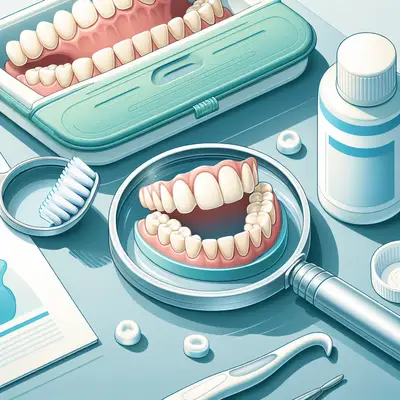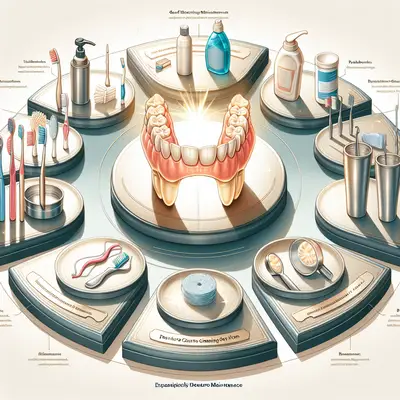
A well-crafted denture is more than a prosthetic; it is an essential element of how you present yourself to the world. Its maintenance deserves the same quiet rigor you might reserve for a fine watch or a tailored suit. Beyond the obvious guidance—clean daily, store correctly—there is a more nuanced level of care that preserves both the integrity of your prosthetic and the elegance of your smile. The following refined strategies go a step further, offering exclusive insights for those who expect their dentures to perform beautifully and discreetly, day after day.
The Micro-Cleanse: Elevating Daily Denture Hygiene
Routine cleaning need not be complicated, but it should be intentional. Rather than relying solely on a quick brush under the tap, consider approaching your denture hygiene as a micro-cleanse ritual. Use a soft-bristled denture brush and a non-abrasive cleanser specifically formulated for prosthetics—ordinary toothpaste is often too harsh and may create micro-scratches that attract stains and bacteria.
Rinse your dentures under lukewarm water before and after brushing; extremes of temperature can distort delicate materials over time. Pay particular attention to the junctions and grooves where the denture meets the gums—these subtle contours often harbor plaque and food particles. A dedicated, small, single-tuft brush can refine your routine and reach less visible areas without aggressive scrubbing.
This extra level of precision extends to your natural tissues. Gently brush your gums, tongue, and palate with a soft toothbrush before reinserting your dentures. This not only reduces bacterial load but also enhances comfort and circulation, preserving the health of the foundation upon which your prosthetic rests.
The Hydration Balance: Protecting Fit and Comfort
Hydration is an often-overlooked pillar of exceptional denture maintenance. A comfortably fitting denture relies on a healthy, well-lubricated oral environment. Inadequate hydration—whether from medication, air travel, or simply low fluid intake—can compromise suction, increase friction, and contribute to sore spots.
Make a point of drinking water consistently throughout the day, particularly with or after coffee, tea, or wine, which can be both drying and staining. If you experience chronic dry mouth, discuss saliva substitutes or prescription options with your dentist or physician; these can significantly improve comfort and long-term tissue health.
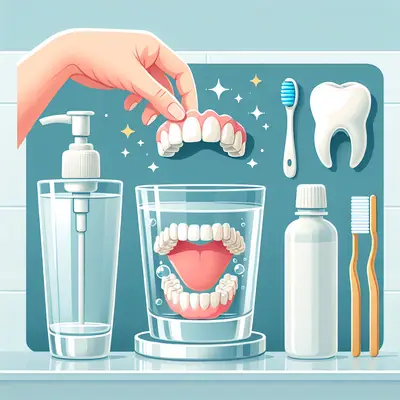
When your dentures are out, keep them immersed in a denture solution or plain water, never left to dry in open air. Dehydration of the material can subtly alter fit and accelerate wear. Over time, these small attentions add up to a prosthetic that feels more like a natural extension of you than an accessory you must manage.
Precision Timing: A Thoughtful Day–Night Care Schedule
Not all maintenance is about what you do; much of it is about when you do it. Establishing a considered daily schedule for your dentures can dramatically improve both oral health and prosthetic longevity. Aim for at least six to eight hours each night without wearing your dentures to allow the underlying tissues to rest and recover from the day’s pressures.
In the evening, remove your dentures after your final meal rather than immediately before bed. This gives you time to perform a thorough clean, soak the dentures in a fresh solution, and gently massage your gums before sleep. The interval between removal and bedtime also allows your tissues to “breathe,” reducing the risk of irritation, fungal overgrowth, and denture stomatitis.
In the morning, resist the urge to insert your dentures immediately. Instead, rinse your mouth with warm water or an alcohol-free antimicrobial rinse, then brush the tissues and tongue. Only after this brief reset should you reinsert your freshly rinsed dentures. This simple timing refinement transforms basic maintenance into a deliberate, restorative ritual.
Discreet Refinement: Managing Stains, Odors, and Adhesives
For many discerning denture wearers, the goal is not merely cleanliness, but a sense of effortless polish. Stain management begins with awareness: deeply pigmented beverages, sauces, and tobacco are primary offenders. Rather than forgoing them entirely, counterbalance their effects with immediate rinsing and periodic soaking in a denture cleanser recommended by your dentist.
Odor control is equally subtle. Persistent odor is rarely just a cosmetic concern; it often signals bacterial buildup or ill-fitting areas that trap debris. A gentle, alcohol-free antimicrobial mouth rinse can support freshness without drying the mouth, but it should complement—not replace—meticulous mechanical cleaning. If odor persists despite excellent home care, schedule a professional evaluation; the issue may be related to hidden rough spots, microscopic fractures, or fungal growth.
Adhesive use should be deliberate, not excessive. A thin, even application of a reputable denture adhesive can enhance security and confidence, but build-up must be removed each evening. Use warm water and a soft cloth or brush to clear residual adhesive from both the denture and your gums. Overuse can signal that your denture no longer fits optimally—an indication to consult your dentist for an adjustment or reline rather than adding more product.
The Annual Audit: Curated Professional Care and Subtle Adjustments
Even the most meticulous home routine cannot replace the expertise of a skilled clinician. An annual (or semiannual, if recommended) professional review of your dentures is not an indulgence; it is a strategic safeguard. Over time, your jawbone and soft tissues change, even if your denture does not. This gradual shift can affect stability, chewing efficiency, and comfort.
During these visits, request more than a cursory look. A thorough examination may include evaluating pressure points, checking occlusion (how your teeth meet), and assessing any early signs of wear, hairline fractures, or discoloration that you may not detect at home. A professional ultrasonic cleaning can remove stubborn calculus and stains without compromising the material.
Equally important is monitoring your oral health beneath and around the denture. Regular screenings for oral cancer, fungal infections, and gum disease are essential—even if you no longer have natural teeth. A refined maintenance philosophy recognizes that the quality of the denture’s performance is inseparable from the health of the tissues that support it.
Five Exclusive Insights for the Attentive Denture Wearer
Rotate Cleansing Products Seasonally
Just as you might adjust skincare with the climate, consider reassessing your denture cleansers and rinses at least twice a year. Drier winter months, for example, may call for less aggressive cleansers and more emphasis on hydration-supporting products.
Build a Dedicated Denture Care Station
Designate a specific space—ideally with soft surfaces or a folded towel in the sink area—to clean and store your dentures. This reduces the risk of accidental drops onto hard porcelain and frames maintenance as a curated routine rather than a hurried chore.
Use “Tissue Holidays” Strategically
If your schedule allows, incorporate short “tissue breaks” during the day when you are in a private setting. Removing your dentures for 20–30 minutes, gently massaging your gums, and then reinserting them can ease pressure and prolong comfort, especially for full denture wearers.
Monitor Subtle Shifts in Speech and Chewing
Pay attention to minor changes in how you pronounce certain words or how easily you manage specific foods. These often provide early, elegant clues that your fit is evolving—well before discomfort appears. Addressing these early shifts prevents larger, more disruptive adjustments later.
Maintain a Digital Record of Your Denture’s Condition
Periodically take clear, well-lit photos of your dentures—inside and out. Over time, these images help you and your dentist detect slight wear, discoloration, or warping that may not be obvious day to day. This simple archive supports more informed, proactive decisions about relining, repairs, or replacement.
Conclusion
Exceptional denture maintenance is not about perfectionism; it is about quiet, consistent refinement. By elevating daily hygiene into a considered ritual, respecting the role of hydration and timing, and integrating professional oversight with your own attentive observations, you create an environment in which your dentures can truly excel. The result is a prosthetic that looks immaculate, feels comfortable, and integrates seamlessly into your life—supporting not only how you chew and speak, but how confidently you move through the world.
Sources
- American Dental Association – Dentures - Covers foundational guidance on cleaning, handling, and caring for dentures
- Mayo Clinic – Dentures: How to Care for Them - Provides evidence-based recommendations for daily maintenance and professional follow-up
- Cleveland Clinic – Dentures - Explains types of dentures, fit considerations, and long-term oral health issues
- National Institute of Dental and Craniofacial Research – Oral Health Tips for Older Adults - Discusses oral care considerations, including prosthetic use and tissue health
- Colgate Oral Care Center – Caring for Your Dentures - Offers practical tips on cleaning, storage, and handling of dentures in daily life
Key Takeaway
The most important thing to remember from this article is that this information can change how you think about Maintenance Tips.