Elegance in a smile is rarely accidental. For denture wearers, it is the quiet result of thoughtful habits, refined attention, and a willingness to treat one’s prosthetic teeth with the same regard one would reserve for fine jewelry or a bespoke garment. Maintenance is not merely about avoiding problems; it is about cultivating a consistently impeccable presentation—up close, under bright light, and in motion.
Below, you’ll find five exclusive, detail‑oriented insights that move beyond the usual “brush and soak” advice. These are the kinds of nuances that separate a merely acceptable denture routine from one that feels genuinely elevated.
1. Curate a “Denture Wardrobe” of Care Tools, Not Just a Single Brush
Most people own more than one pair of shoes for different occasions; your dentures deserve a similar level of nuance in their care. Relying on a single, generic brush can leave micro‑debris hiding in crevices, around clasps, and along the polished surface where stains quietly accumulate.
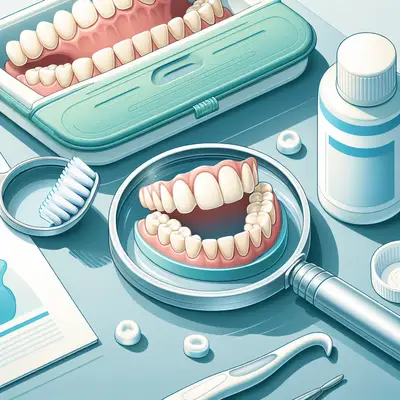
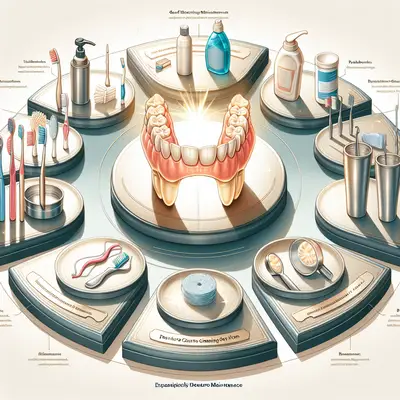
A more sophisticated approach is to assemble a small, intentional toolkit:
- A soft‑bristled denture brush for broad surfaces
- An interdental or proxabrush for the fine architecture around clasps and tight spaces
- A dedicated soft toothbrush for your gums, palate, and tongue
- A lint‑free microfiber cloth for a final “polish” of the denture surface after rinsing
This curated set allows you to address every contour without aggression or abrasion. Think of it as a wardrobe of instruments: each piece has a specific purpose, and together they maintain the prosthesis’ luster, cleanliness, and comfort over time.
2. Treat Temperature as a Luxury Control, Not an Afterthought
Water temperature is an underappreciated lever in denture maintenance. Boiling or very hot water can distort acrylic bases and compromise the fit, but the subtlety lies not only in what to avoid, but in how to refine what you use.
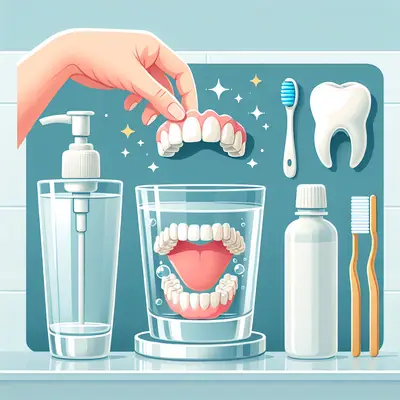
Lukewarm water—pleasantly warm to the touch, never hot—is ideal for daily cleaning. It softens plaque and debris without risking structural warping. When mixing a soaking solution, this moderate warmth allows denture cleansers to dissolve more completely and work more evenly.
Equally important is temperature contrast. In winter, rinsing your dentures and then immediately inserting them into a very cool mouth can feel jarring. Allowing dentures to return to a neutral, body‑adjacent temperature in your hand before insertion lends a more seamless, almost invisible transition—especially important before a significant social encounter or professional engagement.
3. Synchronize Denture Care With Skin and Oral Care for a “Whole-Face” Routine
A refined routine recognizes that your dentures are not isolated from the rest of your face; they are part of your overall aesthetic and comfort. Instead of treating denture maintenance as a separate, clinical task, align it with your existing skincare or grooming ritual.
For example:
- In the evening, remove dentures, gently massage your gums, cheeks, and palate with a soft brush or fingertip, then rinse. Immediately afterward, proceed to your usual skincare—cleansing, serums, moisturizers.
- In the morning, after your facial routine, rinse your dentures from their overnight soak, brush them thoroughly, and then spend a moment massaging your lips with a hydrating balm to maintain a smooth, refined frame for your smile.
This synchrony offers more than convenience: it reinforces your sense of a cohesive, well‑kept appearance. Your prosthetic smile, oral soft tissues, and complexion all receive attention in one integrated ritual, elevating maintenance into something that feels intentional and luxurious rather than purely functional.
4. Use “Micro‑Inspections” to Detect Wear Before It Becomes Visible
Waiting until dentures feel wrong—loose, uncomfortable, or visibly stained—often means problems are already advanced. A more discerning approach is to build in short, frequent “micro‑inspections” that take less than a minute but dramatically extend the life and beauty of your prosthesis.
After cleaning and rinsing your dentures:
- Hold them near natural light (a window, vanity with daylight bulbs) and slowly tilt them to catch reflections. Look for subtle cloudiness, fine scratches, or dull patches where plaque can more easily adhere.
- Run a clean fingertip lightly along the surface. You should feel a consistently smooth, glass‑like texture. Any slight roughness indicates buildup or micro‑damage worth addressing.
- Check the borders and edges. These often show the earliest signs of wear, small chips, or warping that can affect comfort and speech.
By catching these miniature changes early, you can adjust your cleaning pressure, switch to a gentler product, or schedule a professional polish or adjustment before issues become visible or uncomfortable. It’s the oral equivalent of inspecting a fine watch or piece of jewelry for subtle signs of wear.
5. Reserve a “Premium Interval” for Professional Refinement
Daily care keeps dentures presentable; periodic professional attention keeps them exceptional. Beyond routine check‑ups, it is worth scheduling what might be considered a “premium interval” with your dentist or prosthodontist—an appointment dedicated specifically to refinement rather than repair.
During these visits, you might request:
- A professional clean and polish to restore luster and remove micro‑staining
- A careful assessment of bite balance to keep chewing efficient and comfortable
- A review of your adhesive use, ensuring it is minimal, elegant, and not masking a fit issue
- An evaluation of your oral tissues for early signs of irritation, thinning, or pressure spots
This approach frames professional care as an enhancement, not a rescue. Instead of waiting until something is obviously wrong, you are choosing to preserve comfort, function, and aesthetics at a consistently high level. Over time, this mindset often reduces emergencies, extends the working life of your dentures, and maintains a polished, composed appearance in every situation.
Conclusion
A distinguished denture routine is built from details: the right tools, the right temperature, the right timing, and a willingness to treat your prosthesis as a refined extension of your personal style. When maintenance becomes a quiet ritual rather than a hurried chore, your smile reflects that care—steady, poised, and effortlessly composed.
By curating your tools, honoring subtle cues of wear, synchronizing care with your broader grooming, and partnering with your dental professional for periodic refinement, you elevate your dentures from merely functional devices to thoughtfully maintained companions in your daily life.
Sources
- American Dental Association – Dentures – Overview of denture types, care basics, and professional guidance from the ADA
- Mayo Clinic – Dentures: How to Care for Them – Practical clinical advice on cleaning, handling, and maintaining dentures
- Cleveland Clinic – Dentures – Detailed explanation of denture wear, care recommendations, and when to seek adjustments
- National Institute of Dental and Craniofacial Research – Oral Health for Older Adults – Broader context on maintaining oral health, including prosthetic considerations, in later life
Key Takeaway
The most important thing to remember from this article is that this information can change how you think about Maintenance Tips.