The most memorable smiles rarely announce themselves—they simply belong. For discerning denture wearers, true confidence lies not only in a beautiful prosthesis, but in the quiet mastery of caring for it. This guide explores refined, often overlooked details that separate “good enough” denture care from an exceptional, enduring standard. Within, you’ll find five exclusive insights designed for those who value discretion, longevity, and an effortlessly polished presence.
The Luxury of Precision: Treating Fit as a Living Measure
A well-made denture is not a static object; it is a dynamic companion to a changing face, jaw, and bite. Over time, subtle bone resorption in the jaw and shifts in soft tissue can transform a once-perfect fit into a source of fatigue, friction, and discomfort—often so gradually that wearers normalize the inconvenience.
Instead of waiting for obvious pain, cultivate the habit of treating fit as a “living measure” that deserves periodic refinement. A six- to twelve-month evaluation with your dentist or prosthodontist allows for early adjustments long before sore spots or speech changes emerge. Relining or rebasing, when performed proactively, restores support and stability while extending the life of the denture itself. This is particularly crucial for lower dentures, where retention is naturally more challenging due to tongue movement and limited surface area.
Wearers who maintain this standard often report an unexpected benefit: less facial strain. When the prosthesis fits impeccably, the muscles of the mouth and jaw can relax, leading to more natural expressions and smoother, less forced smiles. The true luxury is not simply avoiding pain, but preserving ease—every hour of every day.
Exclusive Insight #1: Treat your denture fit like a tailored garment—scheduled refinements prevent minor imperfections from becoming structural problems, and they preserve both comfort and facial harmony.
The Silent Influence of Saliva: Protecting Comfort and Stability
Saliva is an understated ally in denture wear. Its composition and volume influence comfort, lubrication, retention, and even the health of the underlying tissues. Very dry mouths (often caused by certain medications, health conditions, or aging) can make dentures feel harsh, unstable, or prone to friction sores. Conversely, excessive saliva in new wearers can temporarily compromise control and speech.
Rather than resigning yourself to these changes, consider saliva a variable that can be thoughtfully managed. For dry mouth, targeted interventions—such as saliva substitutes, sugar-free lozenges, and hydration routines—can dramatically enhance day-to-day comfort. Discuss your medications with your healthcare provider; sometimes even minor prescription adjustments can improve oral moisture.
Those coping with excessive saliva, especially early after denture placement, can benefit from patience and specific speech exercises. Much like learning a new instrument, the mouth adapts to the presence of dentures, and saliva production often normalizes as the brain stops interpreting the prosthesis as a “foreign object.”
Exclusive Insight #2: Monitor changes in your saliva with the same attention you give to fit; tailored solutions for dryness or excess can turn a mildly irritating denture into one that feels nearly invisible.
The Nighttime Standard: A Restorative Ritual, Not an Afterthought
What happens to your dentures—and your mouth—overnight is often the hidden determinant of long-term success. Removing dentures before sleep is not simply a matter of comfort; it allows the tissues beneath to rest from constant pressure and reduces the risk of infections like denture stomatitis.
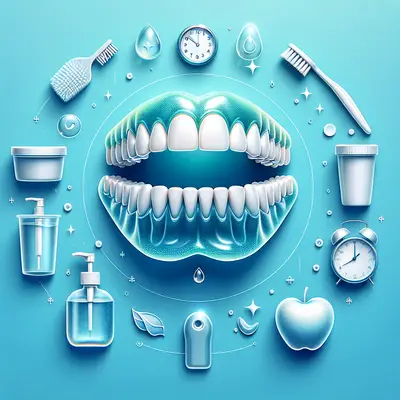
An elevated nighttime ritual extends beyond dropping dentures into a random cup. First, a gentle but thorough cleansing removes plaque, food debris, and microbial films that ordinary rinsing cannot reach. A soft-bristled brush designed for dentures, paired with a non-abrasive cleanser (never regular toothpaste, which can scratch acrylic), preserves surface integrity and clarity. Then, an overnight soak in an appropriate denture-cleaning solution helps break down biofilm and maintain freshness.
Equally important is the care of the mouth itself. Once the prosthesis is removed, the gums, palate, and tongue should be cleaned with a soft brush or gauze to remove residual plaque and stimulate blood flow. This simple habit supports healthier tissues and can reduce redness, irritation, and odor.
Exclusive Insight #3: Elevate your evening routine by treating both denture and tissue care as a paired ritual; the most refined outcomes occur when the prosthesis and the mouth are tended with equal respect.
The Texture of Everyday Life: A Nuanced Approach to Eating and Savoring
Sophisticated denture care includes not only how you clean and store your prosthesis, but how you curate your daily diet and eating habits. While modern dentures can handle a wide variety of foods, the way those foods are introduced and enjoyed makes a profound difference in comfort and longevity.
Instead of categorizing foods as simply “allowed” or “forbidden,” consider texture, temperature, and technique. Firm, fibrous, or sticky foods can place disproportionate stress on specific areas of the denture base or clasping structures, particularly in partials. By cutting foods into smaller, elegant portions and distributing bites evenly across both sides, you encourage balanced pressure and reduce the risk of rocking, sore spots, and micro-fractures.
Hot beverages, meanwhile, deserve quiet scrutiny. Excessively high temperatures can subtly affect the acrylic or soft liners over time, and they may mask early warning signs of irritation in the underlying tissues. Allowing drinks to cool slightly not only protects the prosthesis but enhances flavor perception—an understated pleasure worth embracing.
Exclusive Insight #4: Refine your eating style—smaller, balanced bites, more mindful textures, and tempered temperatures—to transform meals from a source of worry into a confident, effortless experience.
The Aesthetic Fine-Tuning: Beyond Clean to Truly Natural
Many denture wearers focus properly on cleanliness, but fewer attend to the subtler aesthetic dimensions that distinguish a “nice denture” from an uncannily natural smile. Over time, minor staining, plaque accumulation at the junction of tooth and base, or faint odor can quietly erode the illusion of natural teeth.
Investing in periodic professional polishing and evaluation of your dentures can restore their luster, much like a finely maintained piece of jewelry. During these visits, your dental professional can adjust tiny imperfections in the bite, refine edges that catch the lip or cheek, and verify that the midline, tooth display, and symmetry still complement your facial features.
At home, pay close attention to the transitional zones—the areas where the denture meets the gums and lips. Maintaining impeccable cleanliness in these regions helps prevent the faint, chalky line or shadow that can betray a prosthesis in close conversation or bright lighting. Unscented, alcohol-free mouth rinses and careful tongue cleaning further support a sense of freshness that reads as convincingly natural.
Exclusive Insight #5: Treat your dentures as part of your personal aesthetic architecture; periodic professional polishing and meticulous attention to detail at home preserve not just cleanliness, but the illusion of naturally flawless teeth.
Conclusion
Exceptional denture care is not defined by any single habit, but by a quiet collection of thoughtful choices: a tailored fit revisited regularly, a mouth environment nurtured through saliva management, a restorative nighttime ritual, a refined approach to food, and a commitment to aesthetic fine-tuning. When these elements converge, the result is a prosthesis that does more than function—it integrates, supports, and enhances your presence.
For those who see their smile as a signature, this elevated standard is not indulgence; it is alignment. With attentive care and collaboration with your dental team, your dentures can remain not only comfortable and stable, but beautifully convincing—day after day, year after year.
Sources
- American College of Prosthodontists – Caring for Your Dentures – Overview of best practices for cleaning, storage, and professional maintenance of dentures.
- Mayo Clinic – Dentures: Common Questions – Discusses fit, adaptation, and what to expect with new dentures.
- National Institute of Dental and Craniofacial Research (NIDCR) – Dry Mouth – Explains causes, health impacts, and management strategies for dry mouth, a key factor in denture comfort.
- Cleveland Clinic – Dentures: Types, Care & Complications – Detailed guidance on wearing, adjusting to, and caring for full and partial dentures.
- Columbia University College of Dental Medicine – Dental Prosthetics – Information on prosthodontic treatment, including the importance of ongoing adjustments and evaluations.
Key Takeaway
The most important thing to remember from this article is that this information can change how you think about Denture Care.