Denture maintenance, at its highest standard, is less about routine chores and more about a considered ritual—one that protects your investment, safeguards your oral health, and preserves the quiet confidence of a natural-looking smile. Beyond the usual advice to brush, soak, and store, there exists a more nuanced layer of care: refined details that separate “good enough” from truly exceptional. This guide explores that elevated layer, with five exclusive insights tailored to denture wearers who value precision, longevity, and discreet comfort.
Elevating the Clean: Luxurious Yet Gentle Daily Care
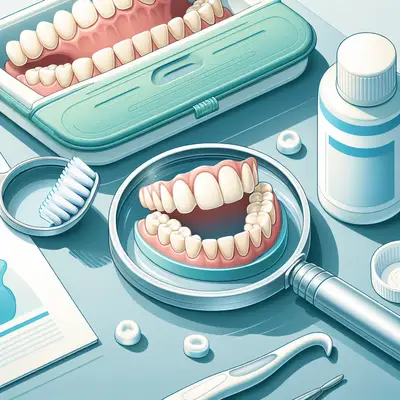
Daily cleaning is often described in simple terms, but for those seeking a premium standard, the details matter immensely. The goal is to keep the denture surface immaculately clean without dulling its finish or stressing its structural integrity over time. That begins with the right tools: a soft-bristled denture brush or ultra-soft toothbrush, and a non-abrasive denture cleanser specifically formulated for removable prosthetics. Regular toothpaste—especially whitening or “tartar control” formulas—can be surprisingly abrasive, etching microscopic scratches into the acrylic that invite plaque and stains.
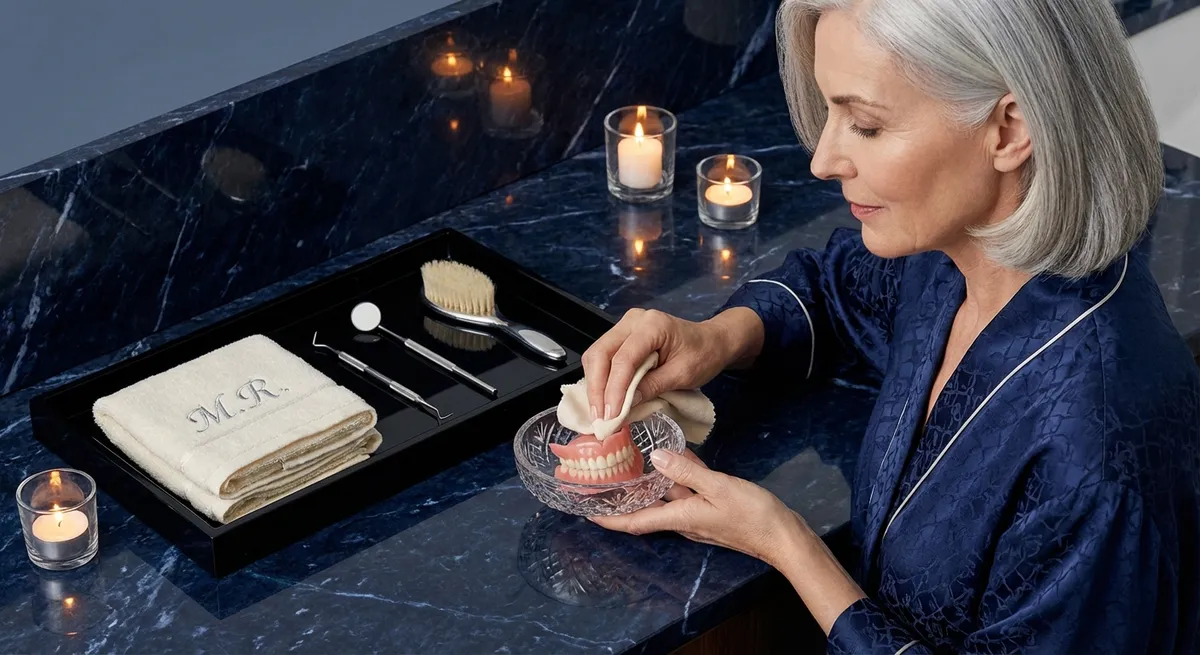
Water temperature is another subtle but crucial factor. Very hot water can cause warping, particularly in full acrylic dentures, altering the fit in ways that are often subtle at first but cumulatively significant. Lukewarm water is the ideal standard: comfortable to the touch, yet kind to the materials. Gentle, thorough brushing—especially along the inner surfaces that sit against the gums—helps reduce fungal overgrowth and irritation without harsh scrubbing. By treating each cleaning as a careful, unhurried ritual rather than a rushed task, you preserve both the aesthetic quality and structural precision of your dentures over years, not just months.
The Nighttime Standard: Intelligent Soaking and Storage
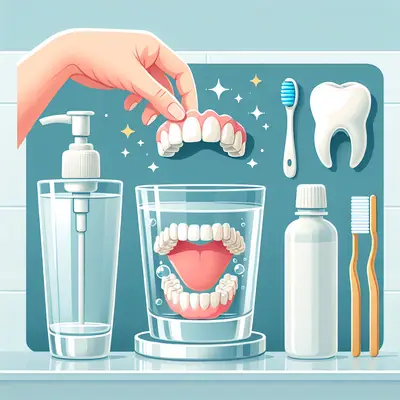
What happens to your dentures overnight quietly determines their performance during the day. Leaving them in a glass of tap water is common, but a more refined routine pays attention to both hygiene and material science. Most dentures benefit from being removed at night to give the tissues rest and reduce the risk of denture stomatitis—a common inflammation linked to continuous wear and fungal buildup. An overnight soak in a reputable effervescent denture cleanser can break down biofilm in places a brush may not reach, particularly around clasps and subtle contours.
However, the solution you choose—and how frequently you use it—should be tailored to the type of dentures you wear. Metal-containing partials may not be compatible with every cleanser; some formulas can tarnish or weaken metal components over time. Your dentist or prosthodontist can recommend a specific brand or class of solution that aligns with your appliance. Once soaked and rinsed, dentures should be stored fully immersed in clean water if not immediately worn; a dry environment can cause gradual warping or microcracks. A covered, ventilated container, positioned away from direct heat or sunlight, creates a controlled, dignified “resting space” for your prosthesis—far from the casual image of a glass by the sink.
Precision Comfort: Microscopic Fit Management
Fit is often discussed in broad terms—“too loose,” “too tight”—but truly comfortable dentures are the result of precise, ongoing micro-adjustments. Even the finest custom-made denture will encounter subtle changes as your bone and soft tissues remodel over time. This is why scheduled evaluations are essential: a small pressure point discovered early can be corrected with minimal adjustment, preventing ulcers, sore spots, and even systemic discomfort from chronic low-level irritation.
One refined practice is to mentally map how your dentures feel at different times of day. Are they more comfortable in the morning than in the evening? Do certain foods or movements consistently trigger a minor pinch or rub? Noting these patterns before your dental visit allows your clinician to make focused, minimal adjustments rather than broad, disruptive changes. Re-lining or re-basing, when done proactively rather than reactively, extends the life of the denture while maintaining a seamless interface with the gums. Over-the-counter reline kits may be tempting, but a premium standard of care calls for professional reline materials and techniques that preserve the underlying craftsmanship and avoid trapping bacteria or creating uneven surfaces.
Discreet Freshness: Managing Odor, Stains, and Subtle Aesthetics
Denture wearers with elevated expectations understand that “clean” is not just visual—it is also olfactory and tactile. Odor, for instance, rarely appears overnight. It develops slowly when microscopic pores in the denture surface harbor bacteria, food particles, and fungal organisms. A refined approach prioritizes prevention: meticulous daily cleaning, consistent soaking, and diligent rinsing after meals whenever possible. If an odor persists despite rigorous care, it may signal either microscopic surface damage (requiring professional polishing) or underlying fungal overgrowth on the tissues, which warrants a clinical evaluation.
Stain management also benefits from nuance. Dark beverages such as coffee, tea, and red wine can gradually dull the shade of dentures, particularly near the edges and interdental spaces. Sipping water alongside these drinks, lightly rinsing the mouth afterward, and avoiding prolonged “sipping sessions” can collectively reduce staining without demanding major lifestyle changes. Avoiding home whitening pastes or harsh DIY stain removers on dentures is crucial; these can be more damaging than helpful. Periodic professional cleaning and polishing at your dental practice restores luster with materials and techniques designed for acrylic and porcelain, preserving a soft, natural sheen rather than an overly artificial shine.
Five Exclusive Insights for the Discerning Denture Wearer
Beyond the fundamentals, these five insights reflect a more advanced, detail-oriented approach to denture maintenance—practices often discussed in specialist settings but less frequently shared in everyday guides.
1. Rotate Your Cleaning Tools Strategically
Just as fine skincare calls for fresh applicators, premium denture care benefits from regularly updated brushes and storage containers. Over time, even well-rinsed brushes accumulate bacteria and wear down, becoming less effective and more abrasive. Replacing your denture brush every three months—or sooner if bristles splay—maintains a consistent, gentle clean. Likewise, occasionally cleansing your storage case with a mild antibacterial soap and allowing it to air-dry fully prevents an invisible buildup of biofilm that can re-contaminate a freshly cleaned denture.
2. Create a “Safe Zone” for Handling and Daily Care
Denture fractures frequently occur not in the mouth, but at the sink—slips onto hard porcelain or tile surfaces. A simple yet sophisticated prevention measure is to create a cushioned “safe zone” each time you handle your denture. Lining the basin with a folded towel or partially filling it with water before inserting, removing, or brushing your dentures offers a graceful insurance policy against accidental drops. This minor habit significantly reduces the risk of cracks, chips, or fractures that might otherwise require extensive, costly repair.
3. Synchronize Denture Care with Nutrition and Hydration
Optimal denture performance is closely linked to the condition of your oral tissues and saliva. Hydration plays a discreet but powerful role: a well-hydrated body produces saliva that helps cushion the denture, reduce friction, and support a balanced oral microbiome. Integrating a steady intake of water throughout the day contributes to comfort and stability, while also reducing food debris retention. Additionally, prioritizing a nutrient-rich diet—particularly adequate protein, vitamin D, and calcium—helps maintain the underlying bone and soft tissues that support your denture, indirectly prolonging its fit and function.
4. Customize Your Maintenance for Implant-Supported Prostheses
Those who wear implant-supported dentures or overdentures inhabit a more complex maintenance landscape. In these cases, care must extend beyond the visible appliance to the implant abutments and surrounding gum tissue. Specialized brushes, interdental cleaners, and occasionally water flossers can be thoughtfully incorporated to clean around implant components without trauma. Regular professional evaluations are even more critical here: early detection of peri-implant inflammation or excess force on specific implants can prevent more serious complications. Aligning your at-home regimen with your implant specialist’s specific recommendations ensures that the sophistication of your prosthesis is matched by an equally sophisticated care strategy.
5. Schedule “Aesthetic Audits” Alongside Functional Checkups
Most denture appointments focus on function—chewing, fit, and comfort. For a truly elevated experience, consider requesting an “aesthetic audit” during your routine visits. This may include a professional assessment of shade stability, surface gloss, wear on the chewing surfaces, and the harmony between the denture and your facial features as they naturally evolve with time. Subtle refinements—such as controlled polishing, minor reshaping of edges, or carefully considered shade adjustments in a replacement set—can preserve the illusion of natural, age-appropriate teeth rather than a static, unchanging appliance. Approaching denture maintenance as an ongoing aesthetic collaboration with your dentist or prosthodontist contributes to a smile that feels authentically yours, year after year.
Conclusion
Exemplary denture maintenance is not defined solely by adherence to basic rules; it is distinguished by intention, nuance, and respect for both the craftsmanship of the prosthesis and the health of the tissues that support it. When daily cleaning becomes a curated ritual, nighttime storage a purposeful safeguard, and periodic evaluations an opportunity for microscopic refinement, your dentures cease to be merely functional devices. They become part of a carefully maintained personal presentation—quietly reliable, visually understated, and intimately tailored to your comfort.
By adopting refined practices and integrating the five exclusive insights above, you honor both your investment and your wellbeing. In doing so, you ensure that your dentures do more than replace teeth; they support a life lived with poise, ease, and discreet confidence.
Sources
- American College of Prosthodontists – Frequently Asked Questions About Dentures - Provides professional guidance on denture care, fit, and maintenance recommendations.
- Mayo Clinic – Dentures: How to Care for Them - Offers evidence-based advice on daily cleaning, soaking, and handling practices.
- Cleveland Clinic – Dentures: Types, Costs, Care & Cleaning - Details best practices for caring for full and partial dentures, including professional adjustments.
- National Institutes of Health (NIH) – Denture Stomatitis and Oral Candidiasis - Explains the relationship between denture hygiene, fungal overgrowth, and oral tissue health.
- American Dental Association – Cleaning Your Dentures - Outlines safe cleaning agents, handling techniques, and maintenance tips endorsed by the ADA.
Key Takeaway
The most important thing to remember from this article is that this information can change how you think about Maintenance Tips.