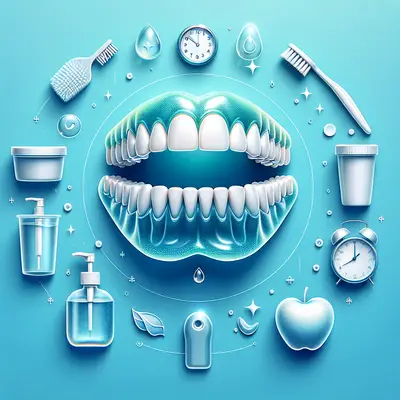
Even among seasoned denture wearers, there is a quiet distinction between “good enough” care and truly elevated maintenance. The difference is rarely dramatic; it’s made up of small, almost invisible choices that preserve comfort, discretion, and aesthetic harmony day after day. This is where denture care moves beyond routine into refinement—where your prosthetic smile is not just maintained, but curated.
Below are five exclusive, often-overlooked insights that help transform everyday denture care into a more controlled, polished experience.
1. The Temperature Rule: Why Lukewarm Water Is Your Daily Insurance Policy
Many care instructions mention “no hot water” in passing; few explain just how central water temperature is to the long-term elegance of your dentures.
Excess heat can subtly warp acrylic bases and alter the fit of both full and partial dentures. Even a fractional change in shape can create pressure points on the gums, introduce sore spots, and compromise the seal that supports confident speech and chewing. Over time, this can also disrupt the harmonious line of your smile, as a once-precise fit begins to feel unstable or slightly off-center.
Instead, engrain a simple, almost ritualistic standard: lukewarm only, always. That applies to:
- Daily cleansing soaks
- Rinsing after meals
- Brushing dentures and oral tissues
- Cleaning storage containers
If the water would be comfortable on the inside of your wrist, it is generally appropriate for your dentures. This single habit preserves the exact contours your dentist calibrated, helping you avoid unnecessary adjustments and ensuring the prosthesis ages gracefully.
2. The “Dual Canvas” Approach: Caring for Your Mouth as Intentionally as Your Dentures
A sophisticated care routine treats your dentures and your mouth as two interdependent canvases. Many people meticulously clean the prosthesis yet give only cursory attention to the supporting tissues—gums, tongue, palate, and any remaining teeth.
This imbalance can quietly erode comfort and freshness over time. Bacterial film, food debris, and fungal overgrowth (notably Candida, linked to denture stomatitis) thrive on soft tissues just as easily as on acrylic surfaces. The result can be redness, irritation, a burning sensation, or persistent odor that no amount of denture cleaning alone can fully resolve.
Elevate your routine with a dual-focus ritual:
- Morning and evening tissue cleansing: Use a soft toothbrush or moistened gauze to gently massage gums, palate, and tongue. This isn’t just hygiene; it also stimulates circulation, which can support healthier, more resilient tissues.
- Interdental care for remaining teeth: If you wear partials, dedicate specific attention to the natural teeth that anchor your denture. Floss, interdental brushes, or water flossers help prevent decay and gum disease around these critical support structures.
- Short “rest” interval: When feasible, allow your mouth at least an hour a day without dentures (often overnight) to let tissues recover, breathe, and rebalance.
By treating your mouth with the same respect you extend to the prosthesis, you create a stable, comfortable foundation that keeps your smile feeling—and looking—composed.
3. Intelligent Adhesive Use: A Precision Tool, Not a Plaster Cast
Denture adhesive is often viewed as an all-or-nothing solution: either you avoid it completely or you rely on it heavily to compensate for an ill-fitting prosthesis. A more considered approach recognizes adhesive as a precision tool, meant to refine comfort and stability rather than mask underlying problems.
A refined strategy includes:
- Minimal, strategic placement: Instead of spreading adhesive across the entire base, focus on a few small areas as recommended by your dentist. Overuse can cause excess material to ooze, affect taste, and complicate cleaning.
- Sensitivity to change: A sudden increase in your adhesive needs—more product, more frequently—can be an early sign that your gums or bone structure have shifted. Rather than simply applying more, recognize this as a cue to schedule an evaluation.
- Neutral formulations: Unscented, zinc-free options with a clean finish can maintain a discreet profile, particularly important for those sensitive to taste or ingredients.
- Adhesive as feedback: How your adhesive performs can offer subtle clues about fit. If one side consistently loosens first, or if the denture rocks despite proper application, this is valuable information for your clinician when fine-tuning the fit.
Adhesive, used thoughtfully, becomes part of a feedback loop—not a crutch—helping you and your dental professional maintain a secure, balanced, and natural-feeling prosthesis.
4. Polishing Without Over-Polishing: Preserving the Sheen Without Sacrificing Detail
A well-maintained denture has a gentle luster that mirrors the vitality of natural teeth. Yet the pursuit of brightness can tempt some wearers toward overly abrasive cleansers or improvised home “whitening” methods. This is where refinement requires restraint.
Abrasion doesn’t just dull the surface; it can create microscopic scratches that harbor bacteria, stain more readily, and irritate delicate oral tissues. Over time, roughened acrylic or resin can feel less luxurious in the mouth, even if it appears superficially clean.
To maintain a polished appearance without compromising integrity:
- Use only non-abrasive denture-specific cleansers. Avoid regular toothpaste, baking soda, or powdered cleaners not formulated for prosthetics.
- Employ a soft-bristled brush with consistent, light pressure. Brushing should feel like a careful polish, not a scouring.
- Rinse thoroughly after chemical soaks. Residual cleanser can cause irritation, so treat the final rinse as an essential finishing step.
- Let your dentist handle resurfacing. If your denture has become visibly worn, stained, or uneven, professional polishing or re-glazing is safer than at-home experimentation.
In this way, your dentures retain a refined, discreet radiance—clean, but never over-processed or artificially “bleached-looking.”
5. The Seasonal Check-In: Adapting Care as Your Life and Lifestyle Evolve
A truly elevated approach to denture care recognizes that your mouth, habits, and environment are not static. Subtle shifts over time—weight changes, new medications, travel patterns, even seasonal dryness—can influence how your dentures feel and function.
Instituting a seasonal check-in creates a rhythm for reassessment:
- Comfort and fit audit: At the change of each season, consider whether any areas feel tender, whether food is more frequently trapped, or whether speech patterns feel different. Often, these changes emerge so gradually they only become clear when you pause to notice.
- Lifestyle alignment: Have you altered your diet, increased travel, or added intense workouts? More frequent snacking, dehydration, or extended wear times may call for adjustments in cleaning frequency or product choices.
- Professional partnership: Use your regular dental visits not merely to “fix problems” but to refine your routine. Bring specific observations: when during the day you feel dryness, which foods challenge your dentures most, how long adhesive remains comfortable.
- Storage and travel upgrades: As your lifestyle evolves, investing in a high-quality, ventilated storage case or a compact, discrete travel kit for cleansing can seamlessly integrate care into your routines without sacrificing discretion or aesthetics.
This seasonal calibration ensures your denture care is not static or generic, but tailored to your current reality—supporting comfort, confidence, and poise at every stage.
Conclusion
Exceptional denture care is rarely about dramatic interventions; it emerges from a collection of quiet, intentional decisions. The way you control water temperature, honor your oral tissues, use adhesive with precision, preserve surface refinement, and periodically recalibrate your routine all contribute to a smile that feels as composed as it appears.
By approaching your dentures not as a mere appliance but as a finely crafted extension of your presence, you elevate maintenance into something more deliberate—an understated ritual that safeguards both comfort and confidence, every time you smile, speak, or simply rest.
Sources
- American Dental Association – Dentures – Overview of types of dentures, basic care recommendations, and what to expect as a wearer
- Mayo Clinic – Denture Care: How To Care for Dentures – Practical guidance on daily cleaning, adhesive use, and oral tissue care
- Cleveland Clinic – Dentures – Detailed discussion of fit, adjustments, and long-term management considerations
- National Institutes of Health (NIH) – Denture Stomatitis Review – Research-based insight into tissue health, hygiene, and the relationship between dentures and oral inflammation
Key Takeaway
The most important thing to remember from this article is that this information can change how you think about Denture Care.