A well-crafted denture is more than a prosthetic—it is a discreet accessory that frames your presence, anchors your confidence, and elevates everyday interactions. Yet even the most beautifully designed set can feel ordinary if its care is perfunctory. Thoughtful maintenance transforms dentures from “good enough” into consistently impeccable, both in comfort and appearance. The following refined practices move beyond basic advice to offer a more considered, almost bespoke approach to keeping your dentures—and the mouth that supports them—in quietly exquisite condition.
Cultivating a “Night Reset” Instead of a Simple Soak
Most denture wearers are told they should “soak overnight.” That guidance is correct, but incomplete. Instead, imagine your evening routine as a nightly reset—an opportunity to restore the denture’s surface, the underlying tissues, and the micro-environment of your mouth.
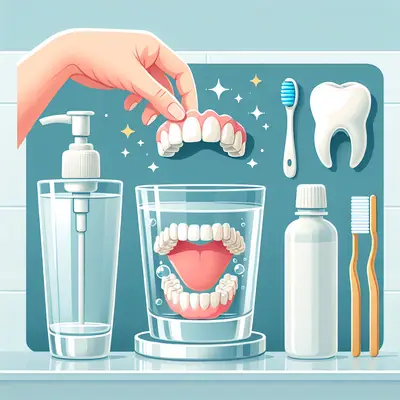
Begin with a careful rinse under lukewarm running water to remove loose debris before brushing; this prevents abrasive particles from being worked back into the acrylic. Use a denture-specific brush and non-abrasive cleanser: ordinary toothpaste often contains polishing agents that can create microscopic scratches, inviting stains and bacterial film. Allow the denture to rest in a fresh solution of denture cleanser—not just water—to dissolve biofilm and keep the material dimensionally stable.
The refinement lies in the sequence: remove, rinse, clean, soak, then gently rinse again before storing or reinserting in the morning. Treat it like a curated skincare routine for your prosthesis—layered, intentional, and never rushed. Over time, this layered approach helps preserve the luster of the denture surface and keeps odors and discoloration at bay.
Treating Oral Tissues as the True Foundation
An elegant smile begins where the denture ends: in the health of the gums, palate, and underlying bone. A common oversight is obsessing over the denture, while the supporting tissues receive only cursory attention. This is where comfort and long-term stability are either nurtured or neglected.
Once the dentures are removed, gently brush the gums, tongue, and palate with a soft-bristled toothbrush or a moistened gauze pad. This removes bacterial film, stimulates circulation, and reduces the risk of denture stomatitis (inflammation of the tissue beneath the denture). Rinsing with an alcohol-free antimicrobial mouthwash can provide an additional level of freshness without drying sensitive tissues.
Consider the “bare mouth” period at night to be restorative time for your oral foundation. This nightly interval allows the tissues to decompress from the day’s pressure, reducing sore spots and helping maintain a better long-term fit. The more consistently you care for the tissues themselves, the more comfortably—and more discreetly—your denture will sit.
Precision Hydration: Balancing Moisture for Material and Comfort
Hydration is often discussed in terms of general health, but it plays an underappreciated role in denture maintenance. Acrylic dentures are designed to remain slightly hydrated to maintain their fit and structural integrity; allowing them to dry out can cause warping or hairline stress marks over time. At the same time, the mouth needs balanced moisture to prevent friction, irritation, and unpleasant odors.
When dentures are not being worn—especially overnight—store them in water or a recommended soaking solution, ensuring the level fully covers the appliance. Avoid hot water, which can subtly distort the material. If you experience dry mouth, it may be worth discussing saliva substitutes or prescription solutions with your dental professional, as a chronically dry oral environment increases the risk of fungal overgrowth and discomfort.
This approach can be thought of as precision hydration: the denture, the tissues, and the oral environment each receive the moisture they require. The result is less friction, better longevity of the material, and a mouth that feels quietly balanced rather than perpetually parched.
Micro-Inspection: Training Your Eye to Catch Subtle Changes Early
One of the most exclusive habits among meticulous denture wearers is the quiet ritual of micro-inspection. Rather than waiting for a sore spot or fracture to appear, they build the habit of visually and tactically examining their dentures as part of their routine.
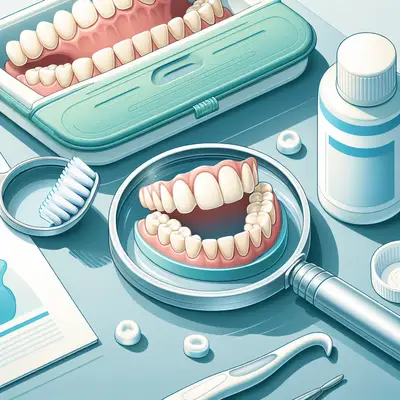
After cleaning, hold the denture under good lighting and rotate it slowly. Look for fine stress lines, small chips along the edges, or areas where the surface has become unusually dull or rough. Run a clean fingertip along the borders—catching a slight snag or sharpness may indicate a developing crack or wear point. Observe any change in how the denture seats in your mouth: a subtle shift in how your teeth meet, a new pressure point, or a faint clicking sound when you speak can all be early indicators of change.
This micro-inspection doesn’t replace professional evaluations, but it allows you to arrive at those appointments with specific observations. That, in turn, supports more precise adjustments, better-fitting relines, and preventive refinements that keep your denture looking intentional rather than “repaired.”
Partnering with Your Dentist as if Your Denture Were Tailored Couture
The final—and perhaps most underestimated—maintenance insight is to treat your relationship with your dentist or prosthodontist as you might treat a trusted tailor. A well-made denture is custom, but your mouth is dynamic: bone resorbs, musculature adapts, and habits shift. Ongoing, collaborative care turns a one-time fabrication into a continually fine-tuned piece.
Schedule regular check-ins even when everything feels “fine.” These visits are not merely to confirm that nothing is wrong, but to refine the fit, assess the integrity of the materials, and monitor oral tissues for subtle changes. Bring specific notes: when you notice a slight rubbing at the end of the day, a minor change in speech, or an area that traps food more than before. These details allow for discreet, precise alterations instead of more dramatic interventions later.
Approached this way, denture maintenance becomes a long-term partnership in craftsmanship. The denture evolves with you, maintaining its alignment with your face, your bite, and your lifestyle. The outcome is a prosthesis that doesn’t just function adequately but continues to feel curated—quietly sophisticated, consistently comfortable, and visually harmonious.
Conclusion
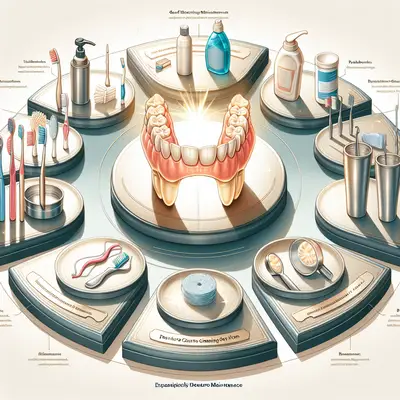
Exceptional denture maintenance is less about dramatic gestures and more about nuanced rituals, repeated with care. A night reset instead of a simple soak, attention to the underlying tissues, intelligent hydration, meticulous self-inspection, and an ongoing partnership with your dental professional together create an ecosystem of refinement around your prosthesis. Over time, these practices do more than preserve acrylic and metal; they preserve ease, confidence, and the subtle assurance that your smile is always ready to meet the moment—effortlessly composed, impeccably maintained, and distinctly your own.
Sources
- American Dental Association – Dentures - Overview of denture types, care recommendations, and professional guidance
- Mayo Clinic – Dentures: What to Expect and How to Care for Them - Practical information on daily denture care and oral tissue health
- Cleveland Clinic – Dentures - Detailed discussion of fit, maintenance, and when to seek professional adjustment
- National Institute of Dental and Craniofacial Research – Oral Health in Older Adults - Context on oral health challenges and preventive strategies for denture wearers
- Columbia University College of Dental Medicine – Caring for Dentures - Evidence-based tips on cleaning, soaking, and preserving denture materials and oral tissues
Key Takeaway
The most important thing to remember from this article is that this information can change how you think about Maintenance Tips.