When dentures are crafted well and cared for exquisitely, they cease to feel like “appliances” and become an understated extension of you. True refinement lies not only in how your dentures look, but in how quietly and reliably they perform day after day. This is maintenance as a practiced art—measured, thoughtful, and entirely intentional.
Below, you’ll find five exclusive insights that move beyond basic instructions, designed for denture wearers who value discretion, comfort, and long-term excellence.
1. Treat Fit as a Living Metric, Not a One-Time Achievement
A well-made denture is never simply “finished.” Your mouth, jawbone, and soft tissues are constantly changing—subtly, yet significantly over time. Ignoring these micro-changes can lead to pressure points, rubbing, and an aged, collapsed appearance around the lips and cheeks.
Schedule your fit checks with the same regularity you might reserve for a tailored garment: proactively, not only when something feels “wrong.” A six- to twelve-month review with your dentist or prosthodontist allows for minute adjustments that restore balance—tightening where the denture has drifted, softening edges that begin to irritate, and ensuring your bite remains even and efficient.
This approach helps prevent sore spots, ulcerations, and the quiet fatigue that comes from constantly compensating with your jaw muscles. When fit is treated as a living metric, your dentures continue to sit lightly, allowing you to speak and smile without second thought.
2. Elevate Cleaning from “Chore” to Curated Ritual
Basic advice often reduces denture care to a quick scrub and soak. A more refined approach views cleaning as a curated ritual that protects the integrity of both your dentures and your oral tissues.
Think in terms of layers:
- Surface clarity: Use a soft-bristled brush specifically designed for dentures, with a non-abrasive cleanser. Abrasive toothpaste can create microscopic scratches that dull the surface and invite stain and biofilm buildup.
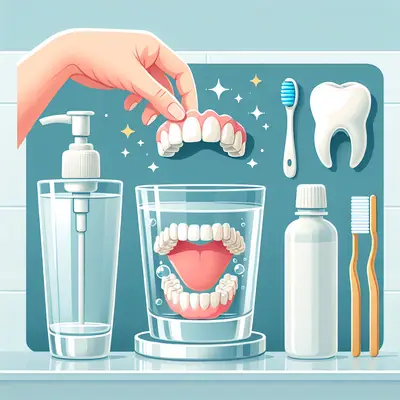
- Invisible hygiene: A daily soak in a denture cleanser validated by your dental professional helps disrupt biofilm that brushing alone misses. Avoid hot water, which can warp the material; lukewarm is the standard of care.
- Tissue care: After removing dentures, gently brush your gums, tongue, and palate with a soft toothbrush. This stimulates circulation, reduces plaque, and creates a healthier foundation beneath your prosthetics.
Done well, this ritual takes only a few deliberate minutes, yet it dramatically extends the aesthetic life of your dentures and the comfort of your mouth. Clean dentures should feel light, fresh, and almost imperceptible—not chalky, coated, or perfumed.
3. Refine Your “Off-Duty” Strategy: Nighttime, Storage, and Recovery
What you do with your dentures when they are not in your mouth is as important as the care you provide when they are. A discerning maintenance strategy acknowledges that your oral tissues need time to breathe and recover.
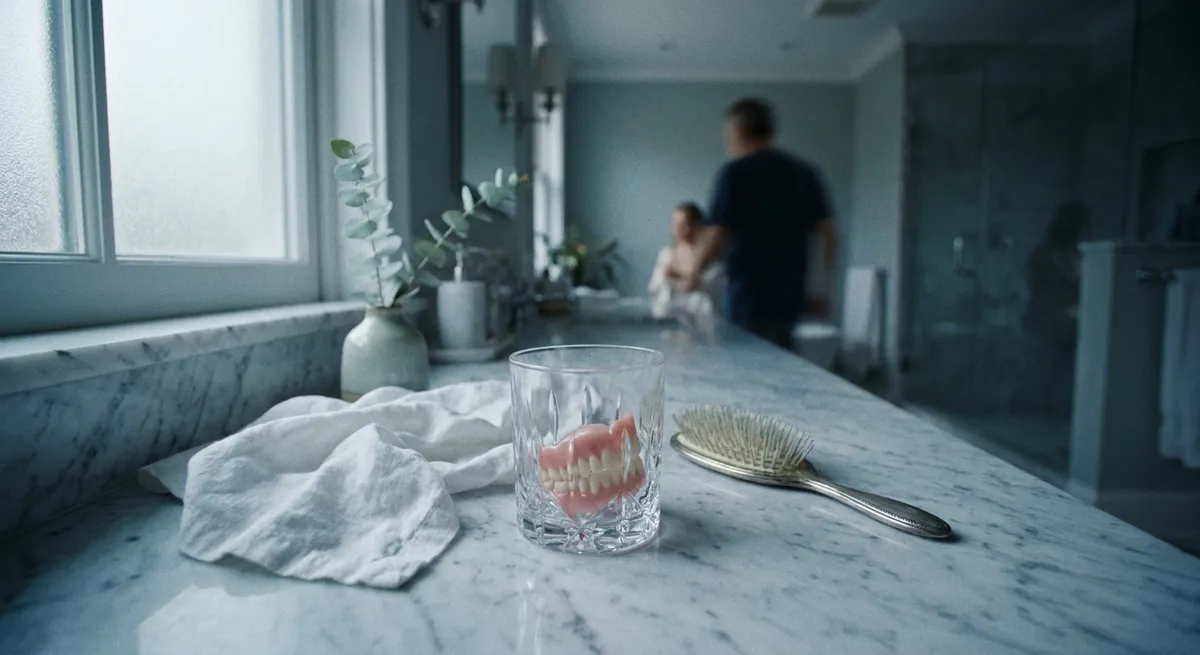
Most professionals recommend removing dentures at night. This simple act reduces the risk of denture stomatitis (a fungal irritation of the tissue) and allows your gums to rest. During this time, store your dentures in a clean container filled with fresh water or a recommended soaking solution to prevent them from drying out or warping.
Upgrade your storage environment:
- Use a lidded case kept away from direct sunlight or heat.
- Rinse the case daily and let it air dry to avoid bacterial buildup.
- Keep your dentures out of reach of pets—they are often inexplicably drawn to them.
For your tissues, consider adding a brief nightly massage of the gums with a clean finger or a soft brush. This small, often overlooked step can enhance blood flow, maintain tissue tone, and foster a more comfortable fit over time.
4. Protect Dentures from “Ambient Damage” Few People Talk About
Most denture instructions discuss cleaning and wearing—but not the quiet, ambient factors that can prematurely age or damage your prosthetics. A more sophisticated protocol anticipates these subtle threats.
Key considerations include:
- Thermal extremes: Extremely hot beverages can, over time, alter the fit or surface of some denture materials. Enjoy warm drinks, but avoid scalding temperatures that could compromise the acrylic or lining.
- Hard or sticky foods: Even if you can manage them, repeated exposure to hard nuts, seeds, or sticky candies places unnecessary stress on the denture base and clasps (for partials). Over years, this can cause micro-fractures or “flex fatigue.”
- Accidental drops: The most refined denture care routines are undone in a split second by a slip over a porcelain sink. When cleaning, line the basin with a towel or partially fill it with water as a soft landing. This single habit can prevent costly fractures.
- Chemically harsh products: Household cleaners, bleach, and unapproved whitening products can weaken or discolor denture material. Only use solutions specifically intended for dentures and approved by your dental professional.
By managing these ambient risks, you effectively extend the working life and aesthetic excellence of your dentures, much like you would protect fine eyewear or a luxury watch from unnecessary strain.
5. Align Nutrition and Hydration with Denture Comfort
Denture maintenance is not only about what you do to the prosthetic; it is also deeply connected to how you support your oral environment from within. Impeccable denture comfort depends on healthy tissues, balanced saliva, and stable underlying bone.
Hydration is central. Dry mouth (xerostomia), whether from medications or lifestyle, increases friction, makes dentures feel loose, and raises the risk of infections and sores. Sipping water throughout the day, using sugar-free lozenges to stimulate saliva, or discussing saliva substitutes with your dentist can transform day-to-day comfort.
Nutrition plays a parallel role. A diet rich in lean protein, calcium, vitamin D, and B-vitamins supports both bone health and tissue resilience. Even if you no longer rely on natural teeth, the bone that anchors your dentures (or implants) remains very much alive and responsive to your nutritional habits.
Finally, be intentional about how you introduce foods. Cut firm items into smaller pieces, chew slowly on both sides to maintain balance, and avoid the temptation to rely solely on soft, highly processed foods. A thoughtfully constructed diet supports not just your general health, but the subtle, stable platform your dentures require to function gracefully.
Conclusion
Exceptional denture maintenance is not loud or elaborate. It is composed of quiet, consistent decisions—regular fit assessments, meticulous cleaning, thoughtful off-duty care, protection from ambient damage, and supportive internal habits.
When you approach denture care with this level of precision, your prosthetics reward you with reliability, comfort, and a natural, unforced elegance. The true luxury is not having to think about your dentures at all—because every detail, seen and unseen, has been impeccably managed.
Sources
- American Dental Association – Dentures – Overview of denture types, care recommendations, and professional guidance
- Mayo Clinic – Dentures: How to Care for Them – Practical care tips, cleaning recommendations, and fit considerations
- Cleveland Clinic – Dentures: Types, Care & Complications – Detailed discussion of denture maintenance, adjustment, and common issues
- National Institute of Dental and Craniofacial Research (NIDCR) – Evidence-based information on tooth replacement options and oral health considerations
- Colgate Oral Care Center – Caring for Your Dentures – Consumer-friendly guidelines on daily cleaning, storage, and handling practices
Key Takeaway
The most important thing to remember from this article is that this information can change how you think about Maintenance Tips.