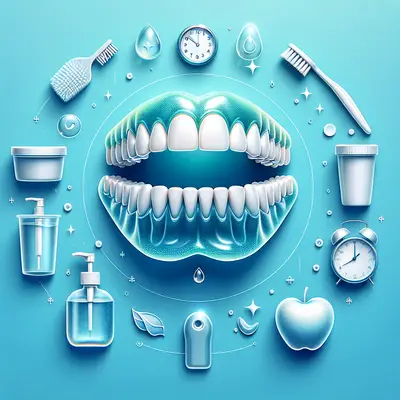
A beautifully crafted denture does more than restore a smile—it restores presence, composure, and ease in every interaction. Yet the difference between a denture that merely “works” and one that feels almost invisible lies in the quiet, meticulous rituals behind the scenes. This guide moves beyond the basics to share nuanced, elevated practices that discerning denture wearers use to keep their prosthetics—and their confidence—in flawless condition.
Why Refined Denture Care Demands a Different Mindset
Caring for dentures is not simply about avoiding stains or breakage. It is about protecting the delicate equilibrium between bone, tissue, saliva, and prosthetic materials that allows you to speak, dine, and smile without distraction.
Natural teeth are anchored in bone and supported by periodontal ligaments. Dentures, by contrast, rely on carefully balanced forces: subtle suction, precise contours, well-adapted bases, and your muscles’ cooperation. This makes them exquisitely sensitive to small changes—dry mouth, minor weight loss, or an unnoticed chip can subtly erode comfort and stability over time.
A refined denture care routine therefore goes beyond the familiar advice to “brush and soak.” It anticipates shifts, protects comfort proactively, and treats the denture as a bespoke medical device rather than a simple accessory. The following insights are designed for those who want their dentures to function not just adequately, but exceptionally.
Insight 1: Cultivating an “Evening Reset” Ritual for Gums and Tissues
Most discussions focus on cleaning the denture itself, but the foundation of long-term comfort is the health of the underlying oral tissues. An intentional evening “reset” routine restores your gums after a full day of wear.
Begin by gently massaging your gums and palate with a soft, wet toothbrush or a clean, damp gauze pad after removing your dentures. Use small, circular motions to stimulate circulation, especially in areas that bear the most pressure. This light massage can help reduce minor swelling, support tissue resilience, and enhance comfort the following day.
If your dentist approves, a brief rinse with an alcohol‑free antimicrobial mouthwash can help reduce bacterial load on the soft tissues. For those prone to dryness or irritation, a moisturizing oral gel or saliva substitute applied before bed can create a soothing barrier and help maintain oral comfort overnight.
The goal of this ritual is not only cleanliness but recovery—treating your gums and palate as living tissue that deserves the same level of care you apply to your skin or eyes. Over time, this attentive approach can help minimize sore spots and preserve the quality of the fit.
Insight 2: Temperature and Texture as Hidden Allies in Daily Comfort
What you eat and drink influences more than just your enjoyment—it affects how secure and natural your dentures feel throughout the day. Sophisticated denture care includes a subtle awareness of temperature and texture.
Very hot foods and beverages can cause denture materials to expand slightly and soften the acrylic base, potentially weakening it over time and affecting fit. While occasional hot tea or coffee is perfectly reasonable, consistently consuming very high-temperature drinks can be unkind to both denture materials and delicate soft tissues.
Texture matters just as much. Extremely sticky or tough foods place disproportionate stress on dentures and the underlying bone and gum tissue. Instead of simply avoiding these foods, consider strategic pairings: combining slightly firmer foods with softer elements (for example, adding sauce or broth) to temper the challenge without sacrificing pleasure. Chewing more deliberately and using both sides of the mouth evenly can also help distribute forces and preserve stability.
By curating textures and moderating temperatures, you protect both the prosthesis and the tissues that support it, while ensuring that dining remains graceful rather than stressful.
Insight 3: Micro-Inspection: The Four-Point Daily Check Most People Skip
Denture issues often begin as barely perceptible changes—a faint roughness, a tiny crack, or a subtle shift in how your teeth meet. A brief but systematic daily inspection can prevent these small concerns from becoming major problems.
After cleaning your dentures in the evening, conduct a four‑point check:
Surface Smoothness
Gently run a clean fingertip across the inner and outer surfaces. Any new roughness, scratch, or sharp edge can irritate soft tissues and should be noted.
Tooth Alignment and Wear
Observe the teeth head-on and from the side. Are any teeth beginning to look more worn, shorter, or shiny on the chewing surface? Uneven wear can alter your bite and strain your jaw joints over time.
Base Integrity
Examine the pink acrylic base along its edges and thin areas. Look for hairline cracks, whitening lines, or tiny chips. These are early signs that the denture may be weakening structurally.
Fit Sensation Check
When you place the dentures back in your mouth, gently close and note how they seat. Any new “click,” shift, or mild rocking sensation—however slight—is worth observing over a few days and, if persistent, discussing with your dentist.
This micro‑inspection takes less than two minutes yet provides an early warning system for problems that are far easier (and less costly) to correct when caught early.
Insight 4: Intelligent Use of Adhesives—Support, Not a Substitute
Denture adhesive, used thoughtfully, can enhance security and ease, especially in social or professional settings where confidence is paramount. However, the most refined approach treats adhesive as a finishing touch, not a crutch for a poor fit.
Apply adhesive sparingly in thin, strategic patterns rather than heavy layers. Excessive adhesive can ooze, collect debris, be difficult to clean away, and conceal early signs that the denture no longer fits optimally. If you suddenly find yourself needing much more adhesive than usual, that is often a sign your gums or bone have changed and that your prosthesis may require adjustment, relining, or replacement.
Equally important is the removal of adhesive residue at the end of the day. Use warm (not hot) water, a soft brush, and patience rather than vigorous scrubbing. Persistent residue on the palate or gums should be gently wiped away with a damp cloth or gauze. Leaving adhesive on overnight can trap bacteria and compromise tissue health.
By treating adhesive as a precision tool—used minimally, cleaned meticulously—you maintain both comfort and clarity about how well your dentures are truly fitting.
Insight 5: Protecting Your Investment Through a “Wellness Schedule”
Well-crafted dentures and well-maintained oral tissues represent a significant investment of time, care, and resources. A considered “wellness schedule” can help extend the life of that investment and preserve a consistent appearance.
Instead of waiting for a problem, coordinate with your dentist to establish a proactive rhythm of care:
- Routine professional evaluations (often every 6–12 months, or as advised) to assess fit, bite alignment, tissue health, and signs of bone resorption.
- Periodic professional cleaning and polishing of the dentures to remove stains and microscopic deposits that at-home products may not fully address.
- Regular reassessment of your bite if you grind or clench your teeth, as this can accelerate wear on denture teeth and affect your jaw joints.
Anticipate that your mouth will change over the years, even if your dentures do not. Subtle modifications—relines, minor adjustments, or eventual replacement—are part of a normal, well-managed denture journey rather than a sign of failure.
This structured, wellness‑oriented approach allows your prosthetics to evolve with you, preserving not only function, but also the quiet self-assurance that comes from a stable, natural-looking smile.
Conclusion
Exceptional denture care is defined less by rigid rules and more by attentiveness: to textures, temperatures, tissue health, minor changes in fit, and the long view of oral wellness. When you think of your dentures as finely crafted medical devices supported by living, responsive tissues, your daily rituals naturally become more deliberate—and more rewarding.
By integrating practices such as nightly tissue restoration, mindful food choices, systematic micro‑inspections, precise adhesive use, and a proactive wellness schedule, you transform denture care from a chore into a refined routine. The result is not only a more resilient prosthesis, but a quieter, more effortless confidence in every conversation, every meal, and every smile.
Sources
- American Dental Association – Dentures – Overview of denture types, care basics, and professional recommendations.
- Mayo Clinic – Dentures: Common Questions – Explains expectations, care, and when to see a dentist about fit or discomfort.
- Cleveland Clinic – Dentures – Details on maintenance, adjustments, and long-term considerations for denture wearers.
- National Institute of Dental and Craniofacial Research (NIDCR) – Oral Health Topics – Evidence-based information on tooth replacement options, including dentures.
- Columbia University College of Dental Medicine – Dentures and Partial Dentures – Educational resource on fit, function, and professional care for dentures.
Key Takeaway
The most important thing to remember from this article is that this information can change how you think about Denture Care.