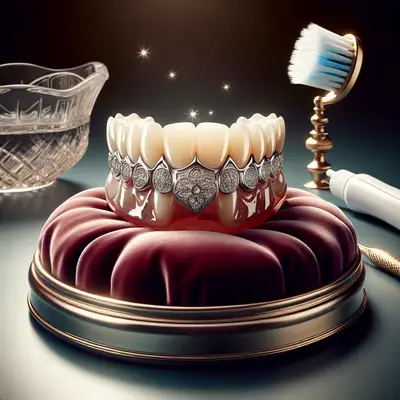
For many discerning wearers, dentures are less a clinical appliance and more an extension of their personal aesthetic. They influence how you speak, dine, and present yourself—often in ways that only you truly notice. Elevating denture care, then, is not merely about function; it is about preserving a sense of quiet confidence and composure in every interaction. The following exclusive insights go beyond the usual advice, offering nuanced, detail‑oriented strategies for those who expect more from their daily routine.
Insight 1: Cultivating a “Denture Wardrobe” Mindset
Rather than viewing dentures as a single, fixed object, consider them as part of a curated “wardrobe” of oral solutions. Just as you would not wear the same shoes from the gym to a formal dinner, you may find value in distinguishing between different configurations and accessories that suit specific moments of your life.
Work with your dentist to discuss how your priorities differ for boardroom meetings, long-haul travel, or multi-course dining. Some patients benefit from a slightly different fit philosophy—more retentive for long speaking engagements, more forgiving for sensitive tissues during recovery periods. For those using partial dentures, your dentist may suggest tailored contouring of adjacent teeth or adjusted clasp styles that harmonize better with your facial features and speaking patterns. The mindset shift is subtle yet powerful: instead of settling for a single “one-size-fits-all” arrangement, you pursue a calibrated fit that respects the dynamic rhythm of your days.
Insight 2: Precision Timing: The Hidden Power of a Care Schedule
Many denture wearers treat cleaning as something to do “morning and night,” but few approach it with the precision of a schedule that supports both oral health and long-term aesthetics. The difference is not in how often you care for your dentures, but in when and in what sequence you perform each step.
A refined approach might involve a short “pre-rinse” ritual immediately after meals to remove loose debris before it has the chance to dry and adhere. This is followed later by a more deliberate cleaning session when you have the time and focus to inspect surfaces under good lighting. Additionally, timing your denture-free period—typically overnight—can be refined. Rather than simply removing them before bed, consider a short interval of “rest time” for your gums in the evening while you are reading or unwinding, then a final gentle brush of your oral tissues before sleep. These small adjustments allow your soft tissues to breathe and recover, potentially reducing irritation and enhancing long-term comfort in ways that accumulate quietly over years.
Insight 3: Micro-Comfort Adjustments Most Wearers Overlook
The finest tailoring is rarely obvious; it simply feels right. The same principle applies to dentures. Many wearers accept minor irritations—slight rocking when chewing certain foods, a faint pressure line on the gum, or a subtle change in speech—because these issues are not overtly painful. Yet, over time, these micro-discomforts can erode confidence and strain oral tissues.
An elevated standard involves actively tracking these nuances. Make a brief note—on your phone or in a small notebook—when you notice recurring patterns: a specific area that feels tender after tougher foods, a consonant sound (like “s” or “f”) that occasionally slips, or a feeling of looseness late in the day. Present these observations to your dentist with precision. This level of feedback allows for highly targeted adjustments: soft relines that cushion high-pressure zones, subtle reshaping to stabilize the bite, or minute polish changes that refine how your tongue glides over acrylic surfaces. The outcome is not just comfort, but a sense of effortless naturalness that only you may fully appreciate.
Insight 4: Elevating Your Oral Environment, Not Just Your Denture
Premium denture care extends beyond the prosthesis to the entire oral environment. Gums, tongue, remaining natural teeth, and even saliva quality all influence how refined your experience with dentures feels day to day. While cleaning the denture itself is critical, the surrounding ecosystem can either support or undermine your efforts.
Thoughtful attention to hydration, for example, can make a noticeable difference. Adequate water intake and, when appropriate, saliva substitutes or moisturizing gels recommended by your dentist can prevent dryness that leads to friction, sore spots, and difficulty with adhesion. Gentle daily brushing of the gums and tongue with a soft brush not only enhances freshness but also stimulates circulation, creating a more resilient foundation for your denture. For partial denture wearers, meticulous interdental cleaning around abutment teeth preserves the structural support that keeps your appliance stable. This holistic perspective transcends basic hygiene, placing emphasis on a balanced, well-cared-for oral landscape in which the denture can perform gracefully.
Insight 5: Strategic Dining: Discreet Techniques for Social Confidence
Dentures alter how you experience food, but that does not mean you must compromise on sociable, elegant dining. Those who navigate formal meals with poise often employ discreet strategies that are never openly discussed—but are consistently effective.
One refined technique is to be intentional about food selection and sequence. Start with softer textures to “settle” the denture and warm up your bite before moving to more demanding foods. Cut items into slightly smaller, more manageable portions; this appears simply meticulous rather than conspicuous. When possible, distribute chewing evenly on both sides to help maintain stability and reduce rocking. During conversations, take half-sips of water rather than large gulps, minimizing the risk of dislodgement while keeping your mouth comfortably hydrated. You might also discuss with your dentist whether subtle modifications to the occlusal surfaces (the biting surfaces of the denture teeth) could make certain types of food easier to manage. Over time, these strategies become second nature, allowing you to participate fully in dining experiences without a second thought.
Conclusion
Impeccable denture care is less about elaborate routines and more about intentional refinement. It lies in thoughtful timing, precise adjustments, holistic oral stewardship, and discreet life strategies that honor both function and aesthetics. When you treat your dentures as part of a carefully orchestrated personal presentation—rather than a simple medical device—you reclaim a sense of agency and elegance in every smile, every meal, and every conversation. The result is a quiet assurance that feels as polished as it looks.
Sources
- Mayo Clinic – Dentures: What to Expect and How to Care for Them - Overview of denture types, care, and common adjustment issues
- American Dental Association – Dentures - Practical guidance on daily cleaning, oral tissue care, and maintenance
- Cleveland Clinic – Dentures: Uses, Types & Care - Detailed information on fit, comfort, and long-term management
- National Institutes of Health (NIH) – Oral Health in America - Research-based context on oral health, aging, and prosthetic solutions
- Colgate Oral Care Center – Dentures: Care and Maintenance - Consumer-focused but evidence-aligned tips for cleaning and daily wear
Key Takeaway
The most important thing to remember from this article is that this information can change how you think about Denture Care.