Beauty in a prosthetic smile is never accidental; it is the result of quiet discipline, informed decisions, and refined daily habits. For discerning denture wearers, excellence is found in details most people never notice—but you feel them in comfort, confidence, and longevity. This piece reveals five exclusive, under-discussed insights that elevate denture care from adequate to exceptional, helping you cultivate a standard of care that matches the sophistication of your lifestyle.
Insight 1: Micro-Fit Matters More Than You Think
The precision of your denture’s fit is not a one-time achievement; it is a living relationship between your prosthetic and the constantly evolving contours of your mouth. Over time, natural bone resorption, subtle weight changes, and even minor shifts in posture can alter how your dentures sit, creating tiny pressure points that can lead to sore spots, reduced chewing efficiency, and a faint but persistent fatigue in the jaw.
A refined approach treats fit as something to be maintained, not endured. Annual—or even semiannual—fit evaluations allow your dentist to identify micro-irritations before they become ulcers, rebalance occlusion (how your teeth meet), and adjust the base to better support the underlying ridge. A professional reline, when timed well, can feel like commissioning a bespoke garment alteration: the same classic piece, but suddenly more comfortable, more secure, more “you.” This attention to detail preserves not only comfort but also the integrity of the supporting tissues, which directly influences how long your dentures will remain stable and flattering.
Insight 2: The Temperature and Texture of Your Diet Shape Your Experience
Most conversations about food and dentures stop at “what you can and cannot eat,” but the truly elevated approach examines temperature, texture, and sequence. Extremely hot beverages can cause slight expansion of acrylic materials, and sudden exposure to very cold fluids can trigger micro-contraction—imperceptible at first, but over years, thermal stress may influence wear and minor surface changes. Sipping scalding tea or coffee with dentures in place is best replaced with pleasantly warm, never piping hot, beverages.
Texture is equally important. Instead of simply avoiding tougher foods, consider how you introduce them. Starting meals with softer textures—yogurt, steamed vegetables, or tender fish—allows your oral tissues to “warm up” before you move to more resistant textures like al dente vegetables or lean meats. Cutting food into smaller, uniform pieces and chewing with both sides simultaneously distributes pressure evenly, which protects your ridge and promotes a more stable feel. This isn’t about restriction; it is about curating your meals to align with the mechanics of your prosthetic, so dining remains a pleasure, not a negotiation.
Insight 3: Nighttime Stillness Is When True Denture Care Happens
Many denture wearers understand the importance of removing dentures at night, but few appreciate how intentional this nightly ritual can be. The period when your dentures are out is when your oral tissues rest, rehydrate, and recover from the day’s pressure. The way you treat this window of time dramatically influences long-term comfort and health.
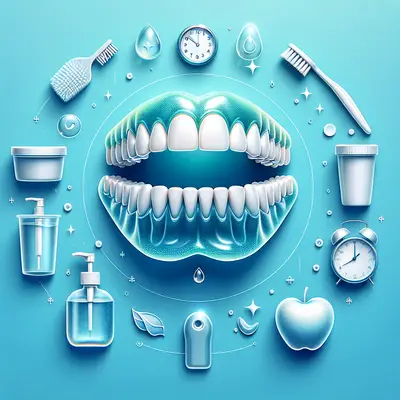
Beyond simple soaking, a premium routine includes cleansing both dentures and oral tissues with meticulous care. Gentle brushing of the gums, tongue, and palate with a soft brush promotes circulation, removes plaque, and helps prevent fungal overgrowth—particularly important for those who wear full upper dentures. Choosing a non-abrasive denture cleanser and fresh water (changed daily) avoids the microscopic scratching that can harbor bacteria and odors. Consider your nighttime routine as a spa treatment for your mouth: restorative, protective, and deliberately unhurried. Over months and years, this quiet investment shows in fewer sore spots, better breath, and a more balanced oral environment.
Insight 4: The Polished Appearance Is in the Invisible Edges
Most people admire the visible aspects of a well-crafted denture—the shade, the translucency, the arrangement of the teeth. Those with a more discerning eye understand that the true hallmark of refinement lies in the transitions: the edges where denture meets gum, where smile meets lip line, and where function meets aesthetics. These are the zones that determine whether your dentures feel like you, or merely sit in your mouth.
Subtle contouring of the acrylic along the borders can improve speech clarity, reduce irritation at the corners of the mouth, and create a more natural, seamless junction with your tissues. Slight polishing changes along the inner surfaces can modify how your tongue interacts with the denture, enhancing articulation and reducing that telltale “full” sensation when you speak. Expressing your preferences to your dentist—how you want your lip support to feel, whether you prefer slightly shorter or longer central incisors, how much gumline should show when you smile—allows for delicate refinements that elevate your prosthetic from standard to personally tailored. These invisible adjustments often deliver the most noticeable improvement in confidence.
Insight 5: A Holistic View of Oral Health Extends Denture Longevity
Once natural teeth are replaced, it can be tempting to think of “oral health” purely in terms of the denture itself. In reality, your general health, medications, salivary flow, and systemic conditions all quietly influence how your dentures perform and how your mouth feels. A premium denture care strategy therefore extends beyond cleansing tablets and soft brushes; it integrates lifestyle and medical awareness.
Certain medications and health conditions reduce saliva, leaving the mouth dry and the dentures less stable and more likely to cause friction. Hydration, sugar-free saliva-stimulating lozenges, and regular dental visits to monitor tissue health are not indulgences—they are essential components of long-term comfort and fit. Nutritional choices rich in calcium, vitamin D, and protein support bone health, indirectly helping preserve the shape of the ridges that anchor your dentures. Even posture and muscle tension in the neck and jaw can influence how your bite feels. Treating your dentures as part of a broader, holistic wellness strategy ensures they age gracefully alongside you, maintaining not only appearance but also ease of use and day-long confidence.
Conclusion
Refined denture care is not about perfectionism; it is about intentionality. By appreciating the importance of micro-fit, respecting the role of temperature and texture in your diet, honoring the restorative power of nighttime, embracing subtle edge refinements, and adopting a holistic view of oral health, you move beyond basic maintenance into a realm of quiet excellence. Your dentures become less an appliance and more a carefully curated extension of your identity—reliable, elegant, and entirely your own.
Sources
- American Dental Association – Dentures - Overview of denture types, care basics, and professional recommendations
- Mayo Clinic – Dentures: What to Expect - Discusses adjustment, fit, and long-term maintenance considerations
- Cleveland Clinic – Dentures - Details on fit, relines, and tissue health in relation to dentures
- National Institute of Dental and Craniofacial Research – Oral Health for Older Adults - Explores systemic health, dry mouth, and oral care considerations for denture wearers
- Colgate Oral Health Network – Xerostomia and Denture Wear - Explains the relationship between dry mouth, comfort, and denture function
Key Takeaway
The most important thing to remember from this article is that this information can change how you think about Denture Care.