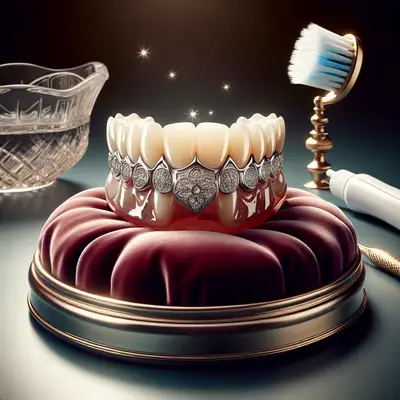
Living with dentures is no longer a compromise; it can be an expression of quiet precision and considered care. Beyond the basic instructions you receive in the dental chair lies a more refined level of practice—small, deliberate choices that transform dentures from something you simply “manage” into something you truly command. This is where discreet comfort, polished confidence, and long-term oral health intersect.
Below, you’ll find five exclusive, under-discussed insights that discerning denture wearers can use to elevate their daily experience.
Precision Fit: The “Micro-Adjustments” Most People Never Request
A denture that’s “good enough” for a routine check-up is not necessarily the denture that feels invisible in daily life. The difference often lies in a series of quiet, incremental refinements.
Instead of accepting initial fit as final, think in terms of micro-adjustments over time. Tiny pressure points along the border, slight rocking when you bite into something firmer, or a faint rubbing at the end of the day are all signals worth bringing back to your dentist. Modern practices can perform highly specific relining, selective grinding, or remolding of pressure zones to improve stability by millimeters—yet those millimeters can feel transformative.
Equally important is how your bite is balanced. A denture that looks excellent but forces one side to work harder will tire your jaw muscles and may contribute to soreness and long-term bone changes. Ask your dentist to evaluate occlusion (how your teeth meet) not only at rest but when you chew, speak, and move your jaw laterally. A well-tuned occlusion lets your dentures function with minimal effort—an invisible luxury that shows up as endurance, poise, and ease throughout the day.
The Refined Adhesive Strategy: Less Product, More Intention
Adhesive is often treated as an all-or-nothing solution: either people coat the entire surface, or they avoid it on principle. A more sophisticated approach recognizes adhesive as a precision tool, not a blanket fix.
Rather than over-applying, work with your dentist to identify where your denture truly needs support. Strategic placement—small, evenly spaced dots or thin lines in targeted regions—can enhance suction and reduce minor rocking without creating excess bulk. This not only improves comfort but also prevents the messy overflow that can compromise taste and confidence.
It also pays to build a personal “adhesive ritual.” Apply only to pristine, dry dentures and clean, slightly moistened gums. Give the adhesive a moment to settle before seating, then bite down gently and hold for a short period to help achieve an even seal. Over time, you may discover you need less adhesive than you once thought. The goal is not to glue an ill-fitting denture in place but to optimize a well-made prosthesis with just enough support to feel effortlessly secure.
Hydration, Texture, and Taste: Curating a Denture-Friendly Dining Experience
Eating with dentures is often framed as a list of restrictions; instead, approach it as a curated experience—where subtle modifications allow you to enjoy both sophistication and comfort at the table.
First, consider hydration. Adequate saliva is the body’s natural adhesive and cushion; dry mouth can compromise denture stability and raise the risk of sores and infections. Sipping water throughout meals, choosing moist preparations (sauces, broths, olive oil drizzles), and avoiding overly dry, crumbly foods can dramatically improve the way your dentures feel as you chew. If medications or age have reduced your saliva, speak with your dentist or physician about saliva substitutes or interventions.
Texture is equally influential. Begin tougher foods—like crusty bread or certain meats—in smaller, thoughtfully cut pieces. Chew using both sides simultaneously to maintain balanced pressure, which reduces rocking and soreness. Over time, as your muscles adapt and your confidence grows, you can gradually expand your menu.
Finally, consider taste. Residual adhesive or cleaning products can subtly alter flavor. Rinse thoroughly after cleaning, avoid strongly scented cleansers that leave a film, and allow a few moments after applying adhesive before eating or drinking. The reward is a dining experience where your palate—not your prosthesis—takes center stage.
Nighttime as a Repair Ritual: Treating Rest as Preventive Care
Removing your dentures at night is more than a rule of thumb; it is a luxury treatment for your oral tissues and the foundation of long-term health. Think of bedtime not as the moment your dentures come off, but as the start of a quiet repair ritual.
After gentle brushing of your dentures (with a soft brush and non-abrasive cleanser) and a thorough cleaning of your gums, tongue, and palate, consider what your tissues need to recover from the day. For some, a mild alcohol-free antiseptic rinse helps maintain balance; for others, a simple warm saltwater rinse soothes and calms. Allowing your gums to rest uncovered overnight promotes healthy circulation and reduces the risk of fungal infections such as denture stomatitis.
Proper overnight storage is equally refined. Dentures should rest in a clean container with fresh water or an appropriate soaking solution—never hot water, which can distort their shape. This not only maintains their fit and appearance but also establishes a daily rhythm of care that feels intentional, calming, and restorative. Over years, this disciplined night routine becomes one of the most powerful factors in preserving both comfort and aesthetics.
Discreet Monitoring: Subtle Changes That Signal It’s Time for a Review
The most sophisticated denture wearers pay attention not just to how their dentures look, but how they evolve. Your jawbone and soft tissues change over time—especially after tooth loss—so a denture that once felt flawless can slowly drift out of harmony with your mouth.
Rather than waiting for obvious pain or visible damage, watch for quieter cues. Do your dentures feel slightly looser at the end of the day than they did a year ago? Have you begun relying more heavily on adhesive? Are you noticing faint red areas on your gums that resolve overnight but reappear regularly? These are early indicators that the fit may be changing.
Commit to regular professional evaluations, even if everything seems “acceptable.” A dentist can spot minute signs of wear, bone resorption, or tissue irritation long before they become disruptive. They can recommend a reline, small adjustments, or in some cases a transition to implant-supported options that enhance stability and preserve bone. Viewing these check-ins as part of a refined maintenance schedule—like servicing a precision timepiece—ensures that your dentures remain an asset rather than an afterthought.
Conclusion
Living elegantly with dentures is less about grand gestures and more about thoughtful, consistent choices. Precision fit, intentional adhesive use, curated dining habits, restorative nighttime rituals, and attentive monitoring all work together to create an experience that’s not merely functional but quietly luxurious.
With the right mindset and a collaborative relationship with your dental professional, your dentures can support a lifestyle defined by comfort, confidence, and composure—day after day, year after year.
Sources
- American College of Prosthodontists – Dentures Overview – Explains types of dentures, expected fit, and professional care recommendations
- Mayo Clinic – Dentures: Common Questions – Covers practical guidance on wear, cleaning, and when to seek adjustments
- Cleveland Clinic – Dentures: Uses, Procedure and Care – Details on adaptation, adhesives, and long-term maintenance of dentures
- National Institutes of Health (NIH) – Denture Stomatitis Review – Research-based insights into causes, prevention, and management of denture-related oral infections
- Columbia University College of Dental Medicine – Living with Dentures – Educational overview on daily life with dentures, including eating, speaking, and follow-up care
Key Takeaway
The most important thing to remember from this article is that this information can change how you think about Denture Care.