A well-made denture does more than restore a smile; it restores poise. Yet the true distinction between a merely acceptable prosthesis and a truly impeccable one lies in what happens far from the clinic chair—within your daily maintenance rituals. Thoughtful care is not about fussing over plastic; it is about preserving comfort, clarity of speech, and the quiet assurance that your smile is always “effortlessly” in place.
Below, you’ll find five exclusive, often-overlooked insights that go beyond basic cleaning instructions and speak to a more refined standard of denture care.
Insight 1: Treat Your Denture as a Precision Instrument, Not a Single Object
A denture is not a monolith—it is a collection of surfaces, angles, and materials that each age differently. Approaching your appliance as a precision instrument encourages more nuanced maintenance.
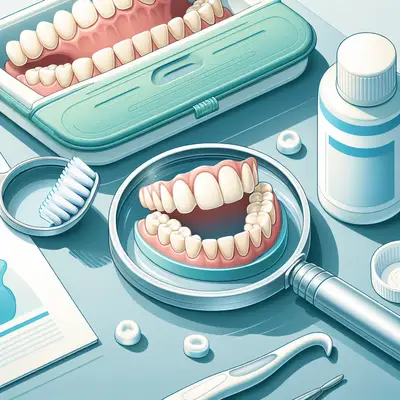
First, divide your care mentally into three zones: the polished outer surfaces, the tissue-contacting base, and the occlusal (biting) surfaces. The polished faces benefit from gentle brushing with a soft denture brush and non-abrasive cleanser, focusing on removing film that dulls the sheen over time. The fitting surface, however, demands extra care: deposits here do not simply look unattractive; they can inflame gums and destabilize your fit. Use smaller, deliberate strokes and inspect this area in good light, ideally with a magnifying mirror, to ensure no residue is left behind.
The biting surfaces require scrutiny for early signs of wear or flattening. An imperceptible change to the eye can translate into significant differences in how the upper and lower dentures meet, affecting jaw comfort and facial support. Taking thirty seconds after cleaning to visually and tactilely check each “tooth” for chips, roughness, or new catching points will help you notice changes long before they become functional problems.
Insight 2: Optimize Your “Off-Duty” Hours for Material Longevity
How your dentures rest when you are not wearing them is as important as how you clean them. Rather than simply dropping them into a random glass of water at night, think of this as curating an ideal “off-duty” environment for the material.
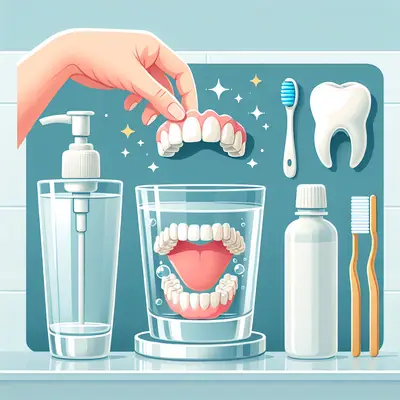
Acrylic dentures should remain slightly moist to prevent warping, but not all liquids are equal. Plain, cool or room-temperature water is generally preferred unless your dentist has recommended a specific soaking solution. Avoid hot water at all costs, as it can subtly distort the denture’s shape over time. If you use effervescent cleansing tablets, follow the exact time recommendations—leaving dentures in strong solutions for significantly longer than instructed can contribute to surface roughness and color changes.
Equally critical is the storage vessel itself. Use a dedicated, lidded container that is cleaned regularly, rather than a casual cup that collects residue. A translucent container allows quick visual confirmation that the denture is fully submerged and free of debris. Consider positioning it in a low-traffic, stable area of the bathroom or bedroom, away from sinks and edges where accidental knocks and falls are more likely. The aim is simple: rest the denture in an environment that is stable, clean, and deliberately chosen—not improvised.
Insight 3: Curate a “Soft-Landing” Protocol to Prevent Micro-Damage
Most people are mindful of preventing major fractures, yet overlook the micro-damage that accumulates from minor knocks, drops, and hard surfaces. Over months and years, these small insults can contribute to fine cracks, weakened clasps (for partials), and subtle misfits.
Adopting a “soft-landing” protocol significantly reduces the risk. Whenever you handle your denture—whether cleaning, inserting, or removing—do it over a padded or water-filled sink. A folded towel or silicone sink mat creates an instant safety cushion. If the denture slips from your fingers, it lands softly rather than striking porcelain.
Also pay attention to how you insert and remove the denture. Rather than snapping it in with force, use a controlled, even pressure with both hands at the designated areas (your dentist can show you where these are). Removing a partial denture by pulling on clasp arms, instead of the base, is a common habit that eventually loosens and distorts the metal. Treat each placement and removal as a deliberate, gentle movement—more akin to setting fine glassware on a shelf than popping a retainer in and out.
Insight 4: Align Your Diet and Hydration With Maintenance, Not Just Comfort
Diet is often discussed in terms of what you can and cannot chew, but for discerning denture wearers, it is also a maintenance decision. Your everyday choices can either minimize staining and plaque buildup or accelerate them.
Highly pigmented beverages—coffee, tea, red wine—tend to cling to microscopic surface irregularities on both natural and artificial teeth. If you enjoy them, consider a simple strategy: alternate sips with water, and gently rinse your mouth with plain water after finishing. This quick ritual can noticeably slow color changes. Similarly, very sticky or hard foods not only challenge the mechanics of chewing with dentures; they can introduce fine stress lines in the acrylic or resin over time.
Hydration is just as important. Adequate saliva flow is a natural protective mechanism, reducing friction on the tissues and helping to rinse away food particles. If you experience persistent dry mouth (xerostomia), discuss it with your dentist or physician, as it can stem from medications or systemic conditions. In some cases, saliva substitutes or specific oral moisturizers may be recommended. A well-hydrated mouth supports a more stable, comfortable denture fit and reduces the chance of friction sores that make maintenance routines uncomfortable to perform.
Insight 5: Build a Discreet Professional Partnership—Before Problems Arise
The most sophisticated maintenance plan extends beyond your bathroom mirror to include a quiet, ongoing partnership with your dental professional. Rather than visiting only when something hurts, cultivate a schedule that anticipates change.
Denture-bearing tissues and bone continue to adapt and remodel over time. Even with impeccable at-home care, the internal landscape on which the denture rests is never truly static. A semi-annual or annual check allows your clinician to evaluate not just cleanliness but fit, bite relationships, and the condition of the supporting tissues. Minor adjustments, relines, or refinements at this stage are infinitely more comfortable—and more discreet—than waiting until sore spots, looseness, or speech changes are noticeable to others.
During these visits, invite a thorough review of your maintenance routine. Ask about the type of brush you use, the cleanser’s abrasiveness, and whether there are any early signs of wear your home inspections might miss. Photos or digital scans taken periodically can provide a visual record of subtle changes, helping both you and your clinician maintain your dentures—and your appearance—at a consistently elevated standard.
Conclusion
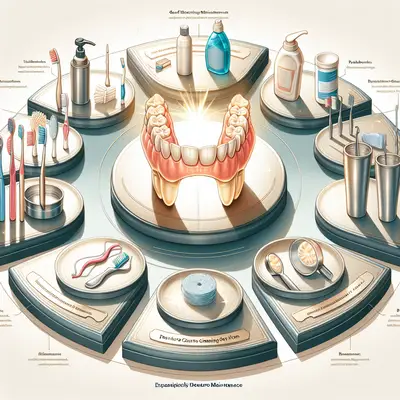
Denture maintenance, at its most refined, is not a list of rules but a philosophy: treat your prosthesis with the same care you would afford a well-tailored garment or a finely crafted watch. By regarding your dentures as precision instruments, optimizing their rest, safeguarding against micro-damage, aligning your lifestyle with their needs, and investing in an ongoing professional partnership, you transform routine care into a quiet form of self-respect. The result is a smile that does more than look intact—it feels composed, intentional, and enduringly assured.
Sources
- American College of Prosthodontists – Dentures: Cleaning and Care - Professional guidance on daily denture hygiene and handling
- Mayo Clinic – Dentures: Benefits, Risks and Care - Overview of denture use, care, and when to seek professional adjustment
- Cleveland Clinic – Dentures - Detailed patient-focused information on denture types, fit, and maintenance recommendations
- National Institute of Dental and Craniofacial Research (NIDCR) – Older Adults and Oral Health - Context on oral health challenges, dry mouth, and denture-related concerns in adults
- Columbia University College of Dental Medicine – Caring for Your Dentures - Academic perspective on best practices for cleaning, storage, and professional follow-up
Key Takeaway
The most important thing to remember from this article is that this information can change how you think about Maintenance Tips.