The most discerning denture wearers know: excellence isn’t defined by the prosthetic alone, but by the quiet rituals that surround it. Dentures can offer more than basic function—they can become part of a polished, confident way of living. When care moves beyond routine into refinement, comfort improves, longevity increases, and your smile feels less like a replacement and more like a seamless extension of you.
This guide explores five exclusive, often-overlooked insights that transform denture care from a chore into a curated ritual of self-respect.
The Water You Choose Matters More Than You Think
For many, denture care begins and ends with the right cleanser. Yet the most refined routines start one step earlier—with the water itself.
Tap water quality varies dramatically by region. High mineral content (hard water) can encourage subtle surface deposits on dentures over time, especially on acrylic and metal components. These mineral films can attract stains from coffee, tea, and red wine more readily, leaving your prosthetic looking less luminous, even when you clean diligently.
If your home has very hard water—or if you notice a faint film on glassware and faucets—consider using filtered or bottled water for:
- Soaking your dentures overnight
- Rinsing after cleaning
- Final rinses following professional denture cleansers
This simple refinement can help preserve surface smoothness, which in turn makes the denture less hospitable to bacteria and less prone to discoloration. It’s a modest change with an elegantly disproportionate payoff: a cleaner, brighter appliance that stays closer to its original shade for longer.
The “Whisper Fit”: Micro-Adjustments for All-Day Ease
Most patients know about major denture adjustments—when a sore spot appears or the fit becomes visibly loose. What often goes unspoken are the micro-adjustments that distinguish a competent fit from a whisper-light, nearly invisible one.
Your denturist or dentist can perform delicate refinements that focus not only on pressure points but on subtle dynamics such as:
- How the denture feels as you pronounce specific words (particularly “s,” “f,” and “v” sounds)
- How tightly your lips must close to keep the denture stable during conversation
- Whether you unconsciously adjust your posture or jaw position to “hold” the denture in place
Scheduling brief refinement appointments—especially in the first year—allows your provider to polish, smooth, or subtly reshape areas that affect your speech and facial expression, not just chewing. A denture that no longer needs your constant attention creates a calmer, more confident presence.
This is the luxury few talk about: a prosthetic so attuned to your anatomy and habits that it feels, and appears, almost unnoticeable.
A Nighttime Ritual That Honors Both Gums and Denture
Many denture wearers remove their prosthesis at night because their dentist advised it; fewer view this as a curated ritual for the health of both appliance and soft tissues.
Elevated care looks like this:
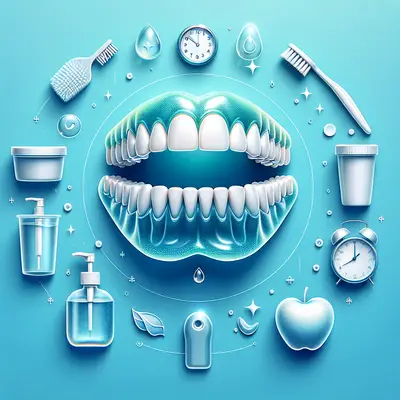
- Deliberate Cleansing – After gently brushing your dentures (using a non-abrasive cleanser and a soft brush specifically designed for dentures), give equal attention to your gums, tongue, and palate with a soft toothbrush or ultra-soft gum brush. Removing plaque from these tissues reduces the bacterial load that can recolonize your denture.
- Targeted Hydration for Tissues – If you experience dry mouth, talk to your dentist about saliva substitutes or moisturizing gels designed for oral use. These can be applied before sleep to help keep tissues supple and resilient, especially if you’re taking medications known to reduce saliva.
- Thoughtful Soaking – Use an effervescent denture cleanser as recommended, but keep to the exact time on the instructions. Over-soaking, especially in very strong solutions, may prematurely affect some materials and metal components. Refill the container with fresh solution nightly—never “top off” leftover liquid.
- Protected Storage – If you prefer not to use a branded container, choose a dedicated, lidded vessel made of glass or high-quality plastic. Rinse and dry it daily. The container you choose is part of the ritual: clean, discreet, and separate from household items.
This nightly rhythm does more than preserve a prosthetic—it preserves the environment it rests upon. Healthy tissues, a well-cared-for denture, and a predictable routine together create long-term stability and comfort.
Strategic Eating: How Refined Chewing Protects Your Investment
Beyond the usual advice to “avoid very hard or sticky foods,” there is a more nuanced, strategic approach to eating with dentures that sophisticated wearers embrace.
Consider these subtle techniques:
- Bilateral Chewing: Rather than chewing exclusively on one side, distribute food evenly between both sides of your mouth whenever possible. This balances the forces on your denture, reducing rocking, sore spots, and the risk of tipping.
- Thoughtful Food Textures: You don’t need to give up pleasure. Instead, favor foods with “gentle resistance” over harsh crunch. Think: crustless artisan bread over brittle crackers, tender vegetables over raw fibrous ones, sliced steak over thick, chewy cuts.
- Elegant Bites, Smaller Portions: Taking smaller bites is not about fragility; it’s about precision. Smaller portions let the denture remain more stable, improving control and reducing the need for strong, visible jaw movements.
- Starch and Adhesion Awareness: Starchy foods (like white bread, soft pastries, and some chips) tend to cling to denture surfaces and around the borders. Rinsing with cool water after such foods, or briefly removing the denture for a quick rinse when convenient and discreet, preserves both comfort and cleanliness.
Chewing becomes less about avoiding problems and more about enjoying food in a way that respects your prosthetic—choosing textures and techniques that maintain grace at the table.
Discreet Monitoring: The Private Log That Protects Your Smile
One of the most overlooked practices among denture wearers is systematically tracking how their dentures feel and function. The most meticulous patients keep a quiet, private record—something as simple as a few lines in a notebook or a notes app—that becomes invaluable over time.
Consider noting:
- Subtle changes in fit: Does your denture feel slightly looser in the morning or evening?
- Specific foods that consistently dislodge or stress the denture
- Any brief soreness (even if it disappears within a day) and its approximate location
- Changes in speech clarity, particularly when you’re tired or speaking for long periods
- Shifts in facial profile or lip support, which may signal gradual bone or tissue changes
By bringing this discreet log to your dental appointments, you offer your clinician a precise, time-based overview of your experience. This allows for proactive refinements, relines, or care plan adjustments long before major issues appear.
The result is a distinctly elevated form of self-advocacy: you and your dentist co-manage your prosthetic with data, not guesswork. Your denture care becomes as curated and intentional as any other premium aspect of your life.
Conclusion
Exceptional denture care is less about dramatic gestures and more about a series of subtle, consistent choices. The water you select, the micro-adjustments you request, the rituals you maintain at night, the way you approach meals, and the quiet notes you keep—each contributes to a standard of comfort, discretion, and longevity that goes beyond the ordinary.
When these elements come together, your dentures stop feeling like a compromise and start functioning as a refined, reliable part of your daily presence. The true luxury lies in not having to think about them at all—because you’ve already put the right care rituals in place.
Sources
- American Dental Association – Dentures – Overview of denture types, care recommendations, and professional guidance
- Mayo Clinic – Dentures: How to Care for Them – Practical instructions on cleaning, handling, and maintaining dentures
- Cleveland Clinic – Dentures – Detailed explanation of fit, function, and common adjustment issues
- National Institute of Dental and Craniofacial Research (NIDCR) – Oral Health for Older Adults – Information on oral health changes with age, including tooth loss and prosthetic considerations
- Columbia University College of Dental Medicine – Caring for Dentures – Educational guidance on daily denture care and oral tissue maintenance
Key Takeaway
The most important thing to remember from this article is that this information can change how you think about Denture Care.