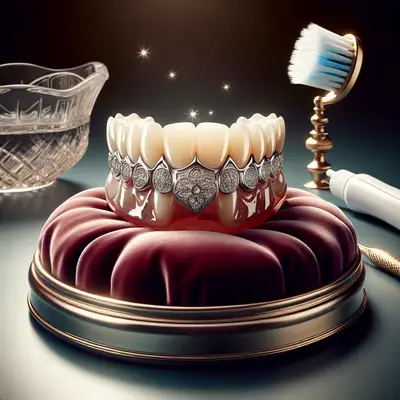
Denture care, when truly well-executed, feels less like a chore and more like a personal ritual of refinement. Beyond the standard advice—clean daily, remove at night, see your dentist regularly—there are elevated practices that distinguish routine maintenance from thoughtful stewardship. These subtle, often overlooked details can transform how your dentures look, feel, and perform over time.
This guide reveals five exclusive insights that discerning denture wearers quietly rely on to keep their prosthetics—and their confidence—in impeccable condition.
1. The Temperature Principle: Protecting Fit and Finish
Most denture wearers know to avoid boiling water, yet few realize how regularly flirting with higher temperatures can gradually distort fit and surface integrity.
Extremely hot water—even just under boiling—can subtly warp acrylic bases, altering how the denture rests against your gums. Over time, this can contribute to pressure points, sore spots, and a less secure feel. Likewise, repeated exposure to very hot beverages may exacerbate microscopic surface changes, making dentures more prone to staining and plaque accumulation.
A more refined approach is to treat your dentures as you would a delicate fabric or a designer piece of eyewear: never subject them to extremes. Use cool to lukewarm water for rinsing and brushing, and allow hot drinks to cool slightly before sipping. When soaking overnight, ensure the solution is at room temperature rather than warm.
The result is not just better comfort, but greater longevity of color, shape, and surface smoothness—quiet details that perceptive wearers notice.
2. Precision Cleaning: Custom Tools for Impeccable Surfaces
Standard denture brushes and effervescent tablets are a sound starting point, but they can leave subtle blind spots—particularly along the margins where the denture meets the soft tissue and between textured areas of the acrylic or metal framework.
A more meticulous routine incorporates:
- A soft, multi-tufted denture brush for the main surfaces
- An ultra-soft, single-tuft or end-tuft brush for precision cleaning around clasps, curves, and undercuts
- A separate soft toothbrush reserved exclusively for gently brushing your gums, tongue, and palate
This trio allows you to address every contour without scratching the acrylic or metal. Light, controlled pressure is key; excessive scrubbing can create micro-abrasions that harbor stain and bacteria.
By elevating your toolkit, you remove not just visible plaque but also subtle biofilm that affects odor, taste, and overall freshness. The sensation of a truly clean prosthesis—smooth, non-tacky, and neutral in taste—quickly becomes non-negotiable once experienced.
3. The Soft-Tissue Ritual: Conditioning the Foundation, Not Just the Prosthetic
Exquisite denture care does not stop at the denture itself; it honors the soft tissue that supports it. Healthy gums and oral mucosa form the “foundation” that determines comfort, stability, and long-term bone preservation.
A refined daily ritual includes:
- Gentle gum brushing with a soft toothbrush or silicone brush to stimulate circulation
- A mild, alcohol-free mouthrinse recommended by your dentist, to reduce bacterial load without drying tissues
- Targeted massage of the ridge areas with a clean finger and a light, circular motion to promote blood flow
- Regular moisture support, particularly for those with dry mouth, using saliva substitutes or gels approved by your dental professional
This level of care helps reduce irritation, supports tissue resilience, and can lessen the likelihood of sore spots under the denture. It also makes professional adjustments more predictable, since the tissues are in healthier, more stable condition.
Rather than focusing purely on the prosthetic, you are curating the environment it relies on—an approach that pays off in comfort and confidence.
4. Taste, Texture, and Timing: A Gourmet Approach to Eating with Dentures
Adjusting to eating with dentures is often presented in purely functional terms: cut food smaller, chew on both sides, go slowly. A more elevated perspective recognizes that food is also about pleasure, nuance, and control.
Subtle strategies can dramatically improve the dining experience:
- Begin with controlled textures: moist, tender foods that retain structure (poached fish, soft vegetables, risotto) help refine your coordination without overwhelming your bite.
- Prioritize flavor without stickiness: herbs, citrus, and umami-rich broths heighten satisfaction while avoiding dense or adhesive foods that challenge retention.
- Mind the timing of adhesives: if you use a denture adhesive, apply it well before meals to allow it to set fully, enhancing stability during more demanding chewing.
- Explore temperature contrast cautiously: very hot or very cold foods can feel surprising due to altered temperature perception with dentures; moderate contrasts allow you to enjoy variety without discomfort.
This way, you are not merely “coping” with dentures at mealtimes—you are orchestrating your dining choices to complement them. Over time, this refined approach can make shared meals, social occasions, and restaurant outings feel entirely natural again.
5. Strategic Professional Care: Planning Visits with Intention
Most people understand they should see their dentist regularly. Fewer appreciate how much the timing and focus of those visits can refine the entire denture-wearing experience.
A more deliberate strategy might include:
- Annual or semiannual fit assessments even if you feel “fine,” to detect early changes in bone and soft tissue before they cause instability.
- Polishing and surface refinement during professional cleanings, which can restore luster, smooth micro-roughness, and reduce future stain accumulation.
- Proactive relines when subtle looseness is first noticed, rather than waiting for overt sore spots or slipping. Early intervention often yields a more precise, comfortable fit.
- Structured check-ins for new wearers, such as scheduled visits at one week, one month, and three months after insertion, to refine contact points and bite alignment as you adapt.
By approaching professional care as a curated schedule rather than a reactive emergency measure, you preserve not only the prosthetic but also your day-to-day ease. This mindset mirrors the way one might care for a finely tuned instrument—regular, intentional calibration rather than occasional repair.
Conclusion
Exceptional denture care is found in the details: the exact temperature of your cleaning water, the precision of your tools, the attention given to your gums, the curation of your meals, and the strategy behind your dental visits. These five insights move beyond generic guidance and into the realm of thoughtful, elevated stewardship.
When you treat your dentures as an integral part of your personal presentation—worthy of quiet, consistent refinement—you gain more than a functional smile. You cultivate comfort, confidence, and a sense of control that feels as polished as the prosthetics themselves.
Sources
- American Dental Association – Dentures – Overview of denture types, care basics, and professional guidance
- Mayo Clinic – Dentures: How to Care for Them – Practical recommendations on cleaning, handling, and adjusting to dentures
- Cleveland Clinic – Dentures – Detailed explanation of denture use, maintenance, and when to see your provider
- National Institute of Dental and Craniofacial Research (NIDCR) – Oral Health in Older Adults – Context on oral health, tooth loss, and prosthetic care in aging populations
- University of Rochester Medical Center – Dentures and Partials – Educational resource covering fit, hygiene, and professional follow-up for denture wearers
Key Takeaway
The most important thing to remember from this article is that this information can change how you think about Denture Care.