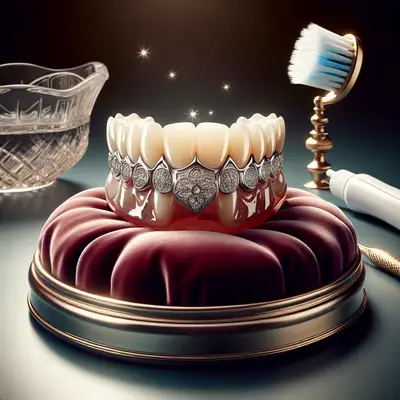
A beautifully crafted denture is more than a prosthetic—it is a quiet extension of your presence, your poise, and the way you move through the world. Yet even the finest prosthesis can be diminished by hurried routines or overlooked details. Thoughtful denture care is less about rigid rules and more about a cultivated ritual: attentive, precise, and tailored to your lifestyle.
Below, you’ll find an elevated exploration of denture care, including five exclusive insights that sophisticated denture wearers often discover only after years of experience. Consider this your insider’s guide to preserving comfort, aesthetics, and confidence at a higher standard.
The Foundation: Treating Dentures as Bespoke Prosthetics, Not Accessories
Denture care begins with a subtle mindset shift: these are medical devices, hand-crafted to interact with your tissues, muscles, and bone structure—not interchangeable accessories. That perspective alone reshapes your daily routine.
Quality dentures are built from materials that respond to temperature, pH, and mechanical stress. Hot water can warp their delicate precision; harsh household cleaners can create microscopic abrasions that harbor bacteria and stains. Using only cool or lukewarm water and denture-specific cleansers respects the integrity of those materials and preserves their fit.
Just as one would never polish fine leather with dish soap, dentures benefit from products designed for their particular chemistry. This means a very soft brush, non-abrasive cleanser, and a dedicated container for overnight soaking—never a casual rinse in the bathroom sink. When you handle your dentures as crafted prosthetics instead of everyday objects, their longevity, comfort, and appearance improve in tandem.
The Refined Daily Ritual: Precision, Not Perfectionism
Daily care should feel intentional rather than burdensome. A refined denture routine is less about obsession and more about consistent, intelligent steps that prevent problems before they arise.
Remove your dentures at least once every 24 hours for a complete clean and to allow your oral tissues to rest. Gently brush your dentures to remove debris and biofilm, paying special attention to the intaglio (the inner surface that contacts your gums), where plaque and yeast can accumulate. Brush your gums, tongue, and palate with a soft toothbrush as well—this stimulates circulation, reduces odor, and supports healthy tissue.
Overnight soaking in a denture-specific cleanser is not simply a cleanliness measure; it also allows the acrylic to rehydrate. Proper hydration helps maintain the material’s dimensional stability, supporting a more consistent fit day after day. When you reinsert your dentures in the morning, rinse them thoroughly to remove any cleanser residue, preserving both taste and tissue comfort.
Exclusive Insight #1: Micro-Fit Awareness—Training Yourself to Notice Early Changes
Experienced denture wearers develop what might be called “micro-fit awareness”—an early sensitivity to changes that most people would dismiss. Subtle looseness, a new pressure point, or a faint rubbing sensation are rarely random; they often reflect underlying bone resorption or soft tissue changes.
Rather than waiting for an obvious sore spot or visible irritation, cultivate the habit of a brief daily self-check. After inserting your dentures in the morning, gently close your teeth together and notice how the prosthesis seats against your gums. Does it feel identical to last week? Is there a slight “click” when speaking certain words? Do you unconsciously adjust your bite?
This type of micro-attention can prompt earlier relining, adjustment, or professional evaluation—preventing chronic irritation, ulcers, and long-term gum changes. Think of it like regularly noticing how your tailored jacket sits across your shoulders; an exquisite fit is best preserved by small, timely refinements rather than dramatic corrections after something has clearly gone wrong.
Exclusive Insight #2: Strategic Use of Adhesives as a Communication Tool—Not a Crutch
High-quality dentures should not rely heavily on adhesive to remain functional. Yet sophisticated wearers recognize that adhesive, when used strategically, can serve as a diagnostic tool as much as a stabilizing aid.
If you find yourself slowly increasing the quantity or frequency of adhesive use, this is valuable information. It may signal gradual changes in gum contour, bone volume, or even weight fluctuations that alter facial support. Rather than simply accepting “more adhesive” as the new normal, document your usage—mentally or in a small note. A shift from “tiny dot for confidence” to “full strip for daily stability” is a quiet message from your mouth that the fit needs attention.
Discuss these observations with your dentist or prosthodontist. You may be an ideal candidate for a reline, a partial remaking of the base, or, in some cases, transitioning to implant-supported dentures for more enduring stability. Adhesive, in this elevated view, becomes an early warning system, not a permanent solution.
Exclusive Insight #3: Curating a Hydration and Nutrition Strategy for Denture Stability
One of the most underappreciated influences on denture comfort is the quality and quantity of saliva. Saliva acts as a natural “cushion” and creates a thin film that can enhance the suction of well-fitted upper dentures while supporting tissue health.
Dry mouth (xerostomia) caused by medications, medical conditions, or simply aging can undermine even the best prosthesis. A refined approach involves quietly optimizing three elements:
- Hydration timing: Frequent small sips of water throughout the day maintain a more consistent oral environment than large, infrequent gulps.
- Saliva-friendly choices: Sugar-free lozenges or gum containing xylitol can gently stimulate saliva without contributing to dental or oral issues.
- Thoughtful nutrition: Emphasize foods with natural moisture and soft structure—steamed vegetables, tender proteins, yogurt, and well-prepared grains—especially when adjusting to new dentures.
Denture wearers who mindfully align hydration and nutrition with comfort report fewer sores, less friction, and far more pleasurable meals. Over time, this becomes less of a “strategy” and more of a lifestyle refinement that naturally supports oral comfort.
Exclusive Insight #4: The “Silent” Cleaning Zone—Metal Clasps, Attachments, and Under-Recognized Areas
For those with partial dentures, metal clasps and attachments are often overlooked in daily care. Yet these intricate components are where plaque quietly accumulates, potentially endangering the remaining natural teeth that anchor your prosthesis.
A sophisticated routine includes:
- Using a very soft, small-headed brush or interdental brush around clasps and attachments
- Gently cleaning any attachments or precision components your dentist has incorporated, following their exact instructions
- Paying special attention to transition zones—where acrylic meets metal, and where denture surfaces meet gum tissue
Neglect in these micro-zones can lead to decay around abutment teeth, periodontal issues, and early failure of an otherwise beautifully functioning partial denture. Treating these areas with the same care you would devote to a fine piece of jewelry—methodical, gentle, and regular—preserves both aesthetics and function.
Exclusive Insight #5: Establishing a Long-View Partnership with a Prosthodontic Specialist
Most denture wearers see their dentist for adjustments or emergencies. Discerning wearers, however, build a long-term relationship with a practitioner—often a prosthodontist—who understands the evolution of their oral anatomy over years, not just visits.
This long-view partnership allows for:
- Baseline documentation of fit, bite, and tissue health
- Predictive discussions about bone resorption and how it may shift the prosthesis over time
- Strategic planning for future upgrades, such as transitioning to implant-supported dentures or refining esthetics as facial contours change
Just as you might rely on a trusted tailor or optometrist who understands your preferences and history, a dedicated denture professional becomes a quiet guardian of your comfort and appearance. Regular checkups—even when everything “feels fine”—enable subtle, proactive adjustments rather than reactive problem-solving.
Elevating Small Moments: Speech, Social Confidence, and Private Practice
Beyond cleaning protocols and fit, the truly refined denture experience includes how you sound, move, and feel in conversation. Practicing specific sounds at home—particularly “s,” “f,” and “v”—can enhance clarity and reduce any perceived lisp after adjustments or new dentures. Reading aloud in a calm, private setting for five to ten minutes a day can transform spoken confidence in a matter of weeks.
Subtle posture and jaw relaxation techniques also matter. Clenching, especially under stress, can create unnecessary pressure points and fatigue. A conscious habit of resting with lips gently together and teeth slightly apart (“the rest position”) supports both comfort and natural facial expression.
In social and professional settings, knowing you have a meticulously maintained, well-fitted prosthesis turns attention away from self-monitoring and back to presence—to listening, leading, and enjoying the moment. That, ultimately, is the quiet luxury of superior denture care: your prosthesis disappears from your awareness, allowing your personality to lead.
Conclusion
Exceptional denture care is not defined by extravagant effort but by cultivated attention to detail. From micro-fit awareness and strategic adhesive use to curated hydration, precise cleaning of hidden zones, and a long-term partnership with a specialist, each practice adds a layer of quiet assurance to your daily life.
When approached as a refined ritual, denture care becomes less about managing a device and more about preserving a standard—a standard of comfort, confidence, and elegance that supports you in every conversation, every meal, and every smile.
Sources
- American Dental Association – Dentures - Overview of denture types, care basics, and professional recommendations
- Mayo Clinic – Dentures: When, Why and How - Guidance on fit, adjustments, and when to see a dentist
- Cleveland Clinic – Dentures - Detailed explanation of denture maintenance, relining, and long-term expectations
- National Institute of Dental and Craniofacial Research (NIDCR) – Dry Mouth - Authoritative information on xerostomia and its impact on oral comfort and prosthesis wear
- American College of Prosthodontists – Patient FAQ - Specialized insights on prosthodontic care, denture fit, and advanced treatment options
Key Takeaway
The most important thing to remember from this article is that this information can change how you think about Denture Care.