For many discerning denture wearers, the goal is not simply a functional smile, but an experience of quiet, effortless confidence. Beyond routine cleaning and standard instructions, there is an underexplored layer of refinement—small, informed decisions that transform dentures from a medical device into an integral part of a polished, well-curated life. This guide explores that elevated space, focusing on nuanced choices and exclusive insights that preserve dignity, comfort, and elegance in every interaction.
The Texture of Comfort: Choosing the Right Products With Intention
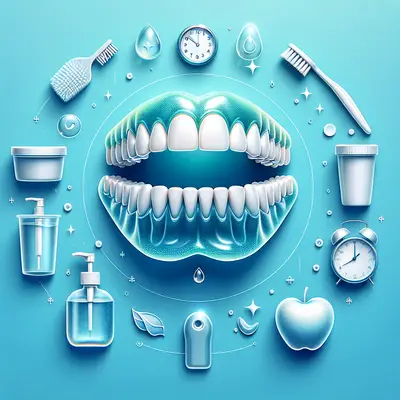
Denture care begins not with what you do, but with what you choose to use. The texture and formulation of your products can meaningfully shape your daily comfort.
Many wearers unknowingly rely on overly abrasive pastes or harsh cleansers that gradually dull the denture surface, increasing plaque adherence and staining. Instead, select cleansers specifically formulated for dentures or removable prostheses—ideally non-abrasive tablets or solutions that dissolve biofilm gently but thoroughly. For the natural tissues, a soft-bristled brush and non-foaming, low-flavor toothpaste or gel can reduce irritation and taste fatigue.
Consider the sensory profile of your products as part of your self-care ritual. A mild, neutral flavor can be more sophisticated and less intrusive than aggressively minty formulas, especially for those who enjoy fine food or wine. Fragrance-free or lightly scented options also reduce the risk of clashing with perfumes or colognes, preserving a cohesive, intentional personal presentation.
Thoughtfully selected products do more than clean—they set the tone for a calm, controlled, and luxurious oral care experience.
Exclusive Insight #1: Curating a “Denture Wardrobe” for Different Occasions
Just as one might not wear the same shoes to a black-tie event and a beach walk, some denture wearers benefit from a quiet “wardrobe” approach, crafted in consultation with their dental professional.
This might mean having:
- A primary, meticulously fitted denture for everyday wear
- A more robust or slightly older prosthesis reserved for travel or highly active days
- A discreet, perhaps slimmer option (where appropriate) for special events where speech clarity, photography, and close social interaction are paramount
While not necessary for everyone, this strategy offers confidence and resilience: if a repair or adjustment is needed, you have a graceful fallback. It also encourages more tailored planning—aligning your denture choice with your schedule, wardrobe, and anticipated activities, rather than treating it as a single static object.
Discussing this concept with your dentist or prosthodontist can open up possibilities that feel distinctly bespoke and reassuring.
The Night Ritual: Supporting Tissues for Long-Term Elegance
A refined denture routine extends beyond the prosthesis itself to the often-neglected foundation—the gums and underlying bone. Removing dentures at night is more than a guideline; it is a strategic intermission that allows your tissues to recover from the day’s pressures.
During this time, focus on gentle tissue care:
- Massage the gums and palate with a soft, moistened brush or clean, damp gauze to stimulate circulation.
- Rinse with a non-alcoholic, low-irritation mouthrinse or a simple warm saltwater solution (if recommended by your provider) to soothe tissues and support a balanced oral environment.
- Allow your dentures to rest in a dedicated, covered container with a professional denture-cleansing solution or cool water (never hot, which can warp certain materials).
This nightly ritual is not a chore but an investment in long-term elegance—slowing the progression of tissue changes, minimizing sore spots, and preserving a more stable fit over the years.
Exclusive Insight #2: Training Your Speech Like a Subtle Performance
While many adjust to speaking with dentures over time, treating speech refinement as a deliberate “micro-discipline” can elevate your presence in meetings, social gatherings, and public appearances.
Rather than simply reading aloud at home, consider:
- Practicing with difficult sound combinations (“s,” “sh,” “ch,” “t,” and “f”) in phrases you actually use in your day-to-day life—introductions, job titles, favorite topics.
- Recording short voice memos and replaying them to observe clarity, pace, and any subtle clicking or air escape sounds.
- Trying gentle vocal warm-ups before important calls or events: slow tongue movements, deliberate enunciation exercises, and controlled breathing through the nose while speaking.
By elevating speech practice from a generic tip to a curated routine, you begin to view your dentures not as an obstacle, but as part of a well-managed personal performance—composed, natural, and assured.
The Subtleties of Fit: Recognizing Early Signs Before Discomfort Strikes
Denture wearers often wait until discomfort is unmistakable before seeking adjustment. A more sophisticated approach involves learning to recognize early, almost imperceptible signals that the fit is beginning to drift.
These may include:
- A faint change in the way your teeth meet when you gently tap them together
- A slight need to “re-seat” the denture more frequently throughout the day
- Minimal, recurring redness in the same spot that subsides but repeatedly returns
- A subtle shift in how certain words feel when spoken, even if still intelligible
By responding to these early cues, you can maintain a consistently elegant fit—arranging timely adjustment appointments that feel preventative rather than urgent. In this way, your relationship with your dentist or prosthodontist becomes more akin to a tailor-client relationship: regular refinements that preserve a streamlined, balanced aesthetic.
Exclusive Insight #3: Strategic Use of Adhesives as a Precision Tool
Denture adhesive is often viewed in extremes—either avoided entirely or relied upon heavily. A more nuanced, premium approach treats adhesive as a precision tool rather than a crutch.
In collaboration with your dental professional, you can:
- Identify days or activities when a touch of additional security is desirable: long dinners, travel days, presentations, or physically active outings.
- Learn exact application patterns and minimal quantities tailored to your prosthesis, reducing residue and avoiding the “over-adhesive” feeling.
- Explore formulations that match your preferences—cream, powder, or strips—with an emphasis on neutral taste and easy cleanup.
When used sparingly, intentionally, and with the right fit, adhesive enhances your sense of composure without becoming a daily necessity. It becomes the oral equivalent of well-chosen cufflinks or a silk pocket square: not strictly required, but subtly confidence-enhancing.
Nourishing the Experience: Culinary Choices That Respect Your Prosthesis
Food is one of life’s most enduring luxuries, and dentures need not diminish that pleasure. However, thoughtful culinary choices can dramatically influence comfort and longevity.
Rather than simply avoiding hard or sticky foods outright, consider:
- Adjusting textures—thinly slicing crisp items like apples or carrots, opting for lightly toasted rather than very crusty bread, and choosing tender cuts of meat over very chewy options.
- Paying attention to temperature extremes. Extremely hot foods or beverages can be harder to sense accurately with dentures, increasing the risk of burns to the underlying tissues.
- Prioritizing slowly savored meals over rushed eating. A more deliberate pace allows you to distribute chewing evenly and maintain control, enhancing both enjoyment and confidence.
By aligning your dining habits with your prosthesis, you preserve the dignity of the meal: the focus remains on flavors, conversation, and connection—not on managing discomfort.
Exclusive Insight #4: A Travel Protocol That Protects Your Poise
Frequent travelers and socially active individuals benefit from a dedicated “denture protocol” for days on the move. Instead of improvising, assemble a refined, compact kit:
- A sleek travel case with a secure seal for your dentures if you need to remove them
- Individual packets of denture cleanser or wipes for discreet, on-the-go freshening
- A small, soft-bristled brush and a travel-size, non-abrasive cleanser or mild toothpaste (for natural tissues, not the denture surface)
- A discreet, minimal adhesive for occasional reinforcement
Carrying this curated set ensures that even unexpected changes in schedule—a delayed flight, an impromptu dinner, a late meeting—do not compromise your comfort or confidence. Your oral care remains as composed as the rest of your itinerary.
Exclusive Insight #5: Viewing Check-Ups as “Oral Styling Sessions”
Routine visits are often framed as purely clinical necessities. Elevating your perspective can turn these appointments into something more akin to a styling session for your smile.
During these consultations, consider:
- Asking your provider about subtle aesthetic refinements—polishing worn areas, gently adjusting contours, or evaluating shade and translucency over time.
- Reviewing how your facial structure and soft tissues are aging and how your dentures might be subtly adjusted to maintain a harmonious profile.
- Discussing any lifestyle changes—weight fluctuations, bruxism (tooth grinding), new medications—that may be influencing fit, comfort, or oral dryness.
By approaching check-ups as opportunities to fine-tune both function and appearance, you invest in a smile that evolves gracefully with you, rather than passively accepting gradual decline.
Conclusion
Sophisticated denture care lives in the details: subtle choices, refined routines, and quiet but deliberate attention to comfort, aesthetics, and confidence. Moving beyond mere maintenance, you curate an experience—one in which your dentures support your identity rather than define it.
Through a carefully chosen denture “wardrobe,” finely tuned speech, early recognition of fit changes, strategic adhesives, and elevated habits around food, travel, and professional care, you create a standard of living that feels tailored, assured, and gracefully under control. In that space, your smile becomes what it was always meant to be: an elegant extension of who you are.
Sources
- American Dental Association – Dentures - Overview of denture types, care, and professional guidance from a leading dental authority.
- Mayo Clinic – Dentures: Common Questions - Provides clinical information on denture use, adjustment, and expectations.
- Cleveland Clinic – Dentures: Benefits, Types and Care - Detailed explanation of how dentures work, maintenance recommendations, and comfort tips.
- National Institutes of Health (NIH) – Oral Health in Older Adults - Discusses oral health considerations, including dentures, for aging adults.
- Harvard Health Publishing – Maintaining Good Oral Health - Broader oral health strategies that complement denture care and long-term tissue health.
Key Takeaway
The most important thing to remember from this article is that this information can change how you think about Denture Care.