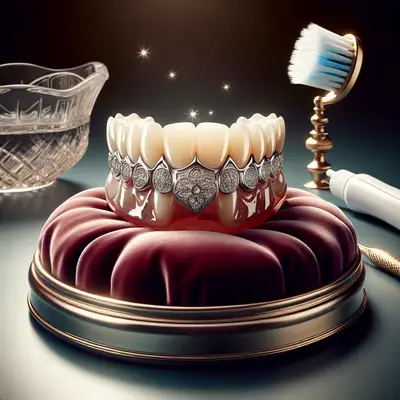
Denture care, at its most refined, is far more than cleaning tablets and a nightly soak. For those who value discretion, comfort, and enduring elegance, the true art lies in the quiet details—how your dentures feel at dinner, how they behave in a boardroom conversation, and how confidently you move through the day without a second thought about them. This guide explores a more elevated standard of care, unveiling five exclusive insights that sophisticated denture wearers use to keep their smile as effortless as it looks.
Insight 1: Precision Fit Is a Moving Target—Not a One-Time Achievement
A beautifully crafted denture is only as good as its ongoing fit. The shape of your gums and underlying bone subtly evolves over time, especially in the first 6–12 months after extractions, and then more gradually with age. Even the most meticulously designed prosthesis can begin to shift, create hot spots, or lose its intimate seal as your mouth changes.
Maintaining a precision fit requires treating your denture as a dynamic object, not a finished product. That means scheduling periodic “fit audits” with your dentist or prosthodontist—not just when something feels wrong, but proactively every 6–12 months. These visits can involve minor adjustments, relining (reshaping the internal surface to match your gums), or in some cases a full remake after several years of wear.
The payoff is significant: superior comfort, more stable chewing, fewer sore spots, and a more natural facial profile. You’ll also tend to use less adhesive, because the structure itself is doing the heavy lifting. Think of your denture not as a static appliance, but as a bespoke garment that occasionally needs tailoring to remain impeccable.
Insight 2: Quiet Adhesive Mastery—Less Product, More Technique
Many denture wearers quietly struggle with adhesives, often using too much product to compensate for a less-than-ideal fit. An elevated approach shifts the focus from quantity to technique. The goal is a secure, discreet hold that enhances confidence without leaving residue, altering taste, or requiring constant reapplication.
Begin with a scrupulously clean, dry denture and gently dried gums—water dilutes adhesives and undermines their effectiveness. Apply adhesive in thin, strategic ribbons or dots rather than a continuous thick layer; too much creates oozing, discomfort, and ironically, more movement. Seat the denture firmly and hold gentle, even pressure for 10–20 seconds to allow an even spread and proper seal.
The most discerning wearers often keep a travel-sized adhesive and compact mirror in a small, understated case—not as a crutch, but as a quiet assurance during long days, important events, or extended meals. Over time, you’ll learn precisely how much product your dentures truly need; for many, the optimal amount is less than they initially imagine. The result is a secure, comfortable fit that feels reliable rather than rigid, letting you speak, laugh, and dine with understated confidence.
Insight 3: Mastering Dining Etiquette with Dentures—Beyond “Avoid Hard Foods”
Public meals can be where denture wearers feel most exposed. Yet with a few refined tactics, dining can remain a pleasure rather than a source of anxiety. The secret is not to severely limit your diet, but to calibrate how you prepare and approach your food.
Choosing textures wisely makes a quiet difference. Instead of tough, dry cuts of meat, opt for slow-cooked, braised, or finely sliced options. Crusty bread can be enjoyed if you break it into smaller pieces and pair it with sauces, olive oil, or spreads to soften each bite. Raw crisp vegetables can be replaced or balanced with lightly steamed or roasted versions that are easier to manage yet still satisfying.
Your chewing strategy matters as much as your menu choices. Place food on both sides of the mouth and chew bilaterally to keep the denture steady, rather than working only on one side. Take slightly smaller bites than you might have with natural teeth; this subtle adjustment greatly reduces dislodgement risks. When dining out, choosing dishes with built-in moisture—sauces, gravies, or broths—helps create an effortless, elegant experience.
Over time, you’ll build a mental “comfort menu” of foods that feel luxurious to eat and entirely compatible with your dentures. The true mark of mastery is not broadcasting your accommodations; it’s the ease with which you navigate any table, from a casual lunch to a formal tasting menu, without drawing attention to your prosthesis.
Insight 4: Strategic Hydration and Saliva Support for All-Day Comfort
Few denture wearers realize how central saliva is to denture stability, comfort, and oral health. Adequate, healthy saliva acts as a natural cushion and “micro-adhesive,” helping your denture sit comfortably while also controlling bacteria, neutralizing acids, and protecting delicate tissues. When saliva is reduced—due to medications, age, or medical conditions—dentures can feel loose, abrasive, and irritating.
Elevated denture care incorporates discreet saliva support into daily life. Consistent hydration is the foundation: sipping water throughout the day, rather than in occasional large volumes, helps maintain a stable environment. Sugar-free gum or lozenges containing xylitol can gently stimulate saliva while supporting oral health. For pronounced dryness, specialized saliva substitutes or moisturizing gels can provide sophisticated, invisible relief.
It’s also worth reviewing medications with your healthcare provider; many common prescriptions list dry mouth as a side effect. If alternatives or dosage adjustments are available, your overall comfort and denture performance may improve dramatically. By prioritizing moisture and optimal saliva flow, you create a smoother interface between denture and tissue, reduce friction, and decrease the risk of sore spots and infections—an elegant solution to an often-overlooked problem.
Insight 5: Aesthetic Fine-Tuning—Maintaining a Natural, Ageless Smile
Premium denture care extends beyond function into the subtleties of appearance. The goal is not merely a bright smile, but a believable one that harmonizes gently with your facial features, complexion, and age. Overly white, uniformly shaped teeth can look artificial, whereas nuanced design elements create a refined, authentic look.
Even after your denture is made, there is room for thoughtful adjustment. If your teeth appear too long, too short, or too prominent in photos or mirrors, a skilled practitioner can often modify the denture’s contour, tooth length, or gum line shading. This can soften the overall effect, better support your lips and cheeks, and subtly rejuvenate your profile.
Color maintenance is another quiet art. While professional cleansers and daily brushing are essential, avoid overly abrasive products that can dull the surface and make staining more likely. Pay particular attention to the transition area where the denture base meets your natural gum—keeping this line clean and stain-free preserves the illusion of natural emergence from the tissues.
An elevated routine might also include periodic professional polishing by your dental provider. This service refreshes surface luster, reduces micro-roughness that harbors stains and bacteria, and keeps your prosthesis looking gracefully new rather than conspicuously “done.” The overall effect is a smile that doesn’t simply look good—it looks convincingly yours.
Conclusion
Exceptional denture care is defined less by visible effort than by quiet, consistent refinement. When you recognize that fit evolves, adhesive is a precision tool, dining is a practiced art, hydration is a structural ally, and aesthetics can be subtly tuned, your dentures stop feeling like a compromise and start functioning like a carefully crafted extension of you.
The true luxury is not perfection, but freedom—the freedom to converse, dine, travel, and live fully without your dentures occupying center stage in your thoughts. With these five sophisticated insights, you create not just a functional prosthesis, but a seamless, confident experience that aligns with the standard of care you expect in every other area of your life.
Sources
- National Institute of Dental and Craniofacial Research – Dentures - Overview of types of dentures, fitting, and care recommendations from a U.S. government research agency
- Mayo Clinic – Dentures: How to Care for Them - Practical guidance on cleaning, handling, and maintaining dentures
- American College of Prosthodontists – Patient Resources on Complete Dentures - Expert information on fit, adjustments, and long-term expectations from prosthodontic specialists
- Cleveland Clinic – Dry Mouth (Xerostomia) - Explains causes and management of dry mouth, a key factor in denture comfort and stability
- Columbia University College of Dental Medicine – Adapting to Dentures - Discusses adaptation, chewing strategies, and practical tips for everyday life with dentures
Key Takeaway
The most important thing to remember from this article is that this information can change how you think about Denture Care.