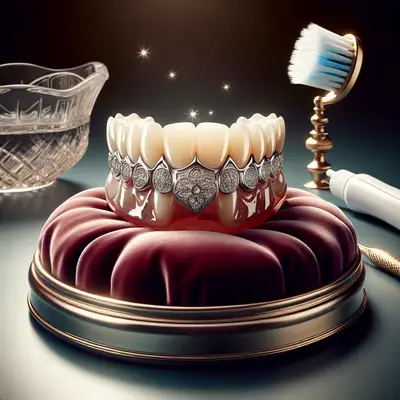
Wearing dentures is not merely a functional choice; for many, it is an aesthetic and lifestyle decision that deserves the same level of consideration as a bespoke wardrobe or a tailored skincare routine. Thoughtful denture care is less about clinical obligation and more about cultivating quiet confidence—knowing that your smile, breath, and comfort are impeccably managed, even in your most demanding moments. This guide goes beyond basic cleaning instructions to explore refined, real-world strategies that denture wearers quietly rely on to move through the day with ease and assurance.
Elevating Fit: Micro-Adjustments That Transform Daily Comfort
While most people focus on the initial fitting, seasoned denture wearers understand that long-term comfort depends on ongoing, subtle refinement. The contours of your gums and jaw naturally change over time, which can turn a once-perfect fit into a slightly unstable one, often so gradually that you may not immediately notice.
Pay attention to small shifts: a faint clicking sound when you speak, food particles collecting under the denture more frequently, or a mild increase in sore spots at the end of the day. These are early signals that a professional adjustment or reline may be needed—not signs to be tolerated. Regular check-ins, typically every 6–12 months or as advised by your dentist, allow for meticulous refinements that maintain both comfort and discretion.
Those who prioritize elegance in their daily routine often view their dentist as a long-term collaborator, not just a problem-solver. By discussing how you use your dentures—whether you present frequently at work, dine out often, or prefer very firm foods—your clinician can tailor adjustments to your lifestyle rather than offering a one-size-fits-all fit. This partnership approach elevates your denture from a simple device to a customized, living part of your routine.
The Taste Equation: Protecting Flavor While Using Adhesives
Many denture wearers rely on adhesives for added security, but few realize how much product choice and application technique influence taste and dining pleasure. A carefully chosen adhesive should provide stability without dulling your sense of taste or leaving an intrusive residue that competes with your food.
Premium care often begins with minimalism: using the smallest effective amount of adhesive, applied with precision rather than in thick, imprecise lines. Overuse can lead to seepage onto the palate and gums, contributing to an unpleasant texture and occasional bitterness. By starting with a lesser quantity and gradually increasing only when needed, you can identify the exact amount that offers both security and sensory clarity.
Flavored adhesive products or those with strong artificial notes may clash with delicate foods and fine beverages, particularly wines or subtly seasoned dishes. Many discerning denture wearers choose mild or unflavored formulas for this reason. They also make it a practice to thoroughly remove adhesive residue each evening, ensuring a clean oral surface that does not accumulate lingering taste from the previous day. In this way, denture care becomes part of an overall appreciation for food and drink, rather than a compromise.
Discreet Preparedness: A Thoughtfully Curated Denture Kit
Confident denture wearers rarely rely on chance when away from home. Instead, they curate a discreet, travel-friendly kit that blends effortlessly into a handbag, briefcase, or carry-on, quietly ensuring that any situation—from an impromptu dinner to a long-haul flight—remains comfortably manageable.
A refined denture kit typically includes a slim, ventilated case, single-use adhesive packets or strips, alcohol-free mouthwash or oral spray in travel size, and soft, pre-moistened wipes suitable for delicate cleaning around the lips and corners of the mouth. Some also carry sugar-free xylitol gum or lozenges (if compatible with their dentures and advised by their dentist) to stimulate saliva and prevent dryness in air-conditioned environments.
The goal is discretion and readiness, not bulk. Everything should be compact, quiet to use, and free from conspicuous branding or strong scents that draw attention. With such a kit always at hand, you can privately address a loosened denture, a dry mouth, or a flavor residue between meetings or social events. This level of preparation turns potential anxiety into calm assurance, allowing your focus to remain entirely on the moment, not your prosthetics.
Protecting the Substructure: Gum and Bone Health Behind the Scene
Sophisticated denture care looks past the visible surface of the prosthetic and focuses on the foundation: the health of your gums and underlying bone. Even the most beautifully crafted denture relies on stable, well-maintained tissue to sit comfortably and function correctly.
Daily, gentle massage of the gums with a soft toothbrush or fingertip (after removing the dentures) supports circulation and may help maintain tissue resilience. Rinsing with an alcohol-free, antimicrobial mouthwash can assist in managing bacterial levels while avoiding the dryness and irritation associated with alcohol-based products. This is particularly essential for those who wear dentures for extended hours or are prone to oral irritation.
Bone changes beneath the gum line are inevitable over time, especially after tooth loss. Regular clinical evaluations and imaging allow your dentist to monitor these changes early. If bone resorption becomes significant, your care plan might evolve—perhaps incorporating implants to stabilize dentures or considering a rebase to restore fit. Treating gum and bone care as an integral, ongoing part of your denture routine preserves not only comfort and stability, but also facial contours and overall facial harmony.
Nighttime Strategy: Intelligent Rest for Long-Term Elegance
One of the most underappreciated aspects of elevated denture care is a deliberately designed nighttime routine. Rather than simply “taking them out,” experienced wearers treat nighttime as the prime opportunity to restore balance to the mouth and protect the long-term integrity of both the tissue and the prosthetic.
Removing dentures at night, when recommended by your dentist, allows the soft tissues to rest from constant pressure. During this time, soaking the dentures in an appropriate, non-abrasive cleaner helps dissolve plaque and bacteria without subjecting the material to harsh brushing that can create microscopic scratches. These micro-scratches, over months and years, can harbor bacteria and subtly undermine the appearance and freshness of your dentures.
Equally important is what you do while the dentures are soaking. Hydration—both systemic and local—is key. A glass of water by the bedside, avoidance of overly dry bedroom air when possible, and the use of a prescribed or dentist-approved saliva substitute for those with dry mouth can preserve comfort and reduce morning irritation. With a thoughtfully constructed nighttime ritual, you awaken not only rested, but reassured that your dentures and oral tissues have been meticulously cared for.
Conclusion
Denture care, at its most refined, is less about following a generic checklist and more about designing a personal ritual that respects your lifestyle, priorities, and aesthetic standards. From micro-adjustments in fit and carefully chosen adhesives to discreet preparedness, foundational tissue care, and a purposeful nighttime strategy, each detail contributes to one overarching outcome: unforced, quiet confidence.
When your dentures feel secure, taste remains vivid, and your oral tissues are truly comfortable, you move through the world with a kind of ease that is difficult to counterfeit. In that sense, denture care is not merely maintenance—it is a daily investment in the poise and presence you bring to every room you enter.
Sources
- American College of Prosthodontists – Dentures Overview – Clinical information on types of dentures, fit, and ongoing care recommendations.
- Mayo Clinic – Dentures: Common Issues and Care – Discusses adjustment periods, sore spots, and long-term care considerations.
- Cleveland Clinic – Dentures: Benefits, Risks & Care – Provides guidance on cleaning, storage, adhesives, and when to seek professional adjustments.
- National Institute of Dental and Craniofacial Research (NIDCR) – Explains tooth replacement options, bone changes after tooth loss, and considerations for long-term oral health.
- Colgate Oral Care Center – Denture Care Instructions – Practical tips on day-to-day denture hygiene, handling, and product use.
Key Takeaway
The most important thing to remember from this article is that this information can change how you think about Denture Care.