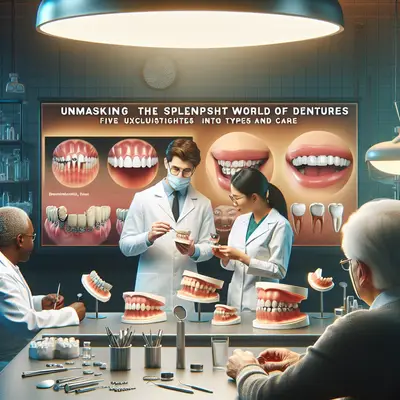
Selecting the right denture is no longer a purely functional decision; it is a personal curation of comfort, aesthetics, and lifestyle. Today’s options are remarkably nuanced, from discreet partials that protect remaining teeth to precision-anchored implant dentures that feel almost indistinguishable from natural dentition. For those who value subtlety, longevity, and refined daily comfort, understanding these distinctions is essential. This guide offers a sophisticated overview of denture types—paired with five exclusive, often-overlooked insights that discerning wearers quietly rely on.
The Modern Denture Landscape: Beyond “Full” and “Partial”
The traditional language of “full” and “partial” dentures barely captures the complexity of contemporary options.
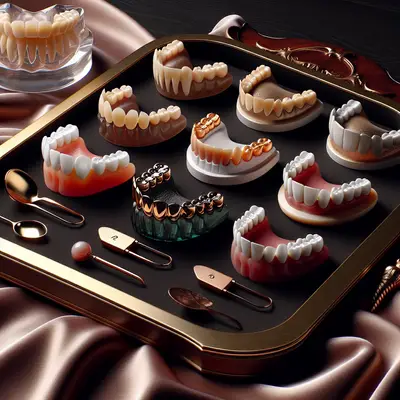
Complete dentures remain the foundation for individuals missing all teeth in an arch, but their design has evolved: slimmer bases, more lifelike tooth shades, and high-impact acrylics now provide greater comfort and discretion. Partial dentures, designed to harmonize with remaining natural teeth, offer metal-based frameworks for exceptional stability or flexible bases for a softer, more adaptable fit.
Implant-supported dentures have added a new dimension entirely. By anchoring to titanium implants in the jaw, they deliver a level of security and bite force that conventional dentures cannot match. Overdentures, which fit over retained roots or implants, preserve bone volume and facial contours in a way that many patients find transformative—especially over the long term.
The true luxury lies not in a single “best” type, but in aligning material, design, and anchorage with your daily rituals, professional presence, and aesthetic priorities.
Complete Dentures: Classic Coverage, Now Quietly Enhanced
Complete dentures, used when all teeth in the upper or lower arch are missing, have become far more refined than their earlier counterparts.
The acrylic bases can now be tinted to echo your natural gum color, avoiding the flat, opaque appearance of older designs. Tooth selection is highly customizable: subtle incisal translucency, carefully varied tooth length, and slight rotational positioning can create a smile that looks naturally individual rather than “perfectly artificial.”
Upper dentures generally benefit from the natural suction seal created by the palate, while lower dentures are more vulnerable to movement due to the tongue and limited ridge area. Premium fabrication techniques—such as digital scanning and computer-aided design—are helping address this, providing more accurate adaptation to the oral tissues and reducing the need for constant adjustment.
For those who prefer a removable solution without surgery, a meticulously crafted complete denture can still deliver an elegant, confident presentation—especially when combined with attentive maintenance and periodic relining as the jawbone changes over time.
Partial Dentures: Discreet Support for a Mixed Dentition
Partial dentures play a crucial role in preserving bite balance, stabilizing remaining teeth, and maintaining facial structure.
Traditional cast-metal partials use a slender cobalt-chromium framework that hugs the teeth with carefully placed clasps. Though metal is involved, a skillful design will position these components discreetly, often hiding them behind teeth or along less visible surfaces. The result is a light, highly stable prosthesis that resists fracture and feels remarkably slim in the mouth.
Flexible partials, made from nylon-like materials, offer a different form of subtlety. Their translucent bases blend into the surrounding soft tissue, and flexible clasps wrap around teeth more gently. They are especially valued when aesthetics are paramount or when metal sensitivity is a concern. However, they can be more challenging to adjust and may not be the optimal choice in every bite configuration.
For those with a few strategic gaps, a thoughtfully designed partial can balance function, protection of remaining teeth, and a natural smile line—without announcing its presence.
Implant-Supported Dentures: Quiet Confidence in Every Conversation
Implant-supported dentures are the modern standard for those seeking stability that approaches natural teeth.
By anchoring the denture to implants placed in the jawbone, these prostheses resist slipping, clicking, and the subtle “give” that can make conventional dentures feel less secure. The increased stability translates not just to ease of speech and eating, but to a quiet, internal confidence—especially during business meetings, social engagements, or fine dining.
Several configurations exist:
- Overdentures on implants: The denture snaps onto attachments (often 2–4 implants per arch). It is removable for cleaning but markedly more stable than a traditional denture.
- Fixed implant bridges or hybrid dentures: These are securely attached to multiple implants and can only be removed by a dentist. They often feel closest to having one’s own teeth restored.
An additional advantage is biological: implants help preserve jawbone, slowing the resorption that can prematurely age the lower face. For those who value long-term facial aesthetics as much as immediate function, implant-supported options often represent the most future-focused choice.
Overdentures: A Preservation-Focused, Understated Alternative
Overdentures occupy a sophisticated middle ground between conventional dentures and fixed implant work.
In some cases, a dentist may preserve select tooth roots or place implants specifically for an overdenture. The denture then fits over these structures, using attachments that “lock” into place. Retained roots or implants help maintain bone height, support soft tissues, and stabilize the prosthesis—all of which contribute to a more youthful facial profile over time.
The beauty of overdentures lies in their quiet efficiency: from the outside, they resemble well-crafted complete dentures. Internally, however, they are anchored and supported in a way that markedly reduces rocking, sore spots, and the feeling of “floating” on gums.
For individuals who appreciate a removable solution—perhaps for meticulous cleaning—but are unwilling to accept the compromises of a fully tissue-supported denture, overdentures provide a compelling, preservation-minded option.
Material Matters: Acrylic, Porcelain, and High-Performance Composites
The material composition of denture teeth and bases is more than a technical detail; it shapes how your prosthesis looks, feels, and wears over time.
- Acrylic teeth are common, lightweight, and gentle on opposing teeth. They are less brittle than porcelain and easier to adjust chairside, making them a practical and often comfortable choice.
- Porcelain teeth, while less frequently used today, offer a characteristic translucency and wear resistance. However, they can be noisier when contacting opposing teeth and may be too abrasive for certain bite patterns.
- Advanced composite or nanohybrid resins blend aesthetics and durability, mimicking enamel’s sparkle and subtle color variations while providing superior wear characteristics.
Base materials, typically acrylic, can be enhanced with high-impact formulas to resist fracture. For partials, cobalt-chrome frameworks provide strength with minimal bulk, while flexible resins trade rigidity for comfort and aesthetics.
A thoughtful discussion with your clinician about material selection can elevate your prosthesis from “adequate” to quietly exceptional.
Five Exclusive Insights Discerning Denture Wearers Rely On
These are not the usual “clean daily, store in water” basics. They are the subtler considerations that elevate the day-to-day experience:
The Bite is a Design Choice, Not Just a Measurement
Many wearers assume their bite is simply “taken” and replicated. In reality, there are different occlusal schemes—such as balanced, lingualized, or monoplane occlusion. Each influences how the denture feels during chewing and how stable it remains under function. A more refined consultation will include a conversation about your chewing style, jaw joint comfort, and whether you prioritize power, ease of adaptation, or minimal side-to-side forces.
Gum Contours Can Quietly Define the Entire Smile
The artificial gum (gingival) portion of a denture is often underestimated. High-end dentures incorporate stippling, subtle color variations, and gentle contours around each tooth to create a natural emergence profile. This avoids the flat “pink block” effect and can dramatically elevate realism—particularly in close-up social or professional settings.
Trial Smiles Are Your Best Opportunity to Refine, Not Just Approve
The wax try-in stage is more than a formality. It is your moment to adjust tooth shape, length, midline, and even the way the teeth follow your lip line. Sophisticated patients often request photos from multiple angles, evaluate how the teeth appear when speaking, and compare smiling in different lighting. This is the time to request subtle alterations that will be essentially “locked in” once processed.
Strategic Relining Extends Comfort—And Elegance—Over Time
As jawbone slowly remodels, even a beautifully made denture will lose some of its original fit. Waiting until it becomes obviously loose is a common mistake. Proactive soft or hard relines at tailored intervals help maintain intimate adaptation, reduce sore spots, and preserve the original aesthetic position of the teeth relative to your lips and cheeks. This quiet upkeep is one of the clearest distinctions between basic and truly curated denture care.
Your Speech Patterns Can Be Intentionally Supported by Denture Design
Subtle adjustments in palatal thickness (for upper dentures), tooth position, and incisal edge length can influence the clarity of “s,” “f,” and “v” sounds. A thoughtfully designed denture will account for your speaking style and professional demands. For individuals who present, teach, or engage in frequent video calls, a short period of guided speech adaptation—paired with minor refinements—can make the difference between “acceptable” and effortless verbal expression.
Choosing Your Ideal Denture Type: A Curated Decision
Selecting a denture is not a one-time purchase; it is the start of an ongoing relationship between you, your clinician, and your prosthesis.
The most successful outcomes come from aligning three elements:
- Clinical reality: Bone volume, gum health, existing teeth, and overall oral conditions.
- Lifestyle priorities: Travel frequency, dining habits, professional visibility, tolerance for removable vs. fixed solutions.
- Aesthetic expectations: From discreetly natural to subtly enhanced, plus your preferred level of customization.
For some, a precisely made conventional denture with regular relines and careful home care will be entirely sufficient. For others, especially those seeking maximum stability and long-term facial preservation, an implant-supported or overdenture solution will feel more in harmony with their expectations.
Whichever path you choose, insist on a process that includes thoughtful design discussions, trial smile refinement, and a long-term maintenance plan. The result is not only a functional replacement for lost teeth, but a signature smile—quietly tailored to the life you actually lead.
Conclusion
Modern denture types offer far more than basic replacement; they provide an opportunity to curate comfort, confidence, and aesthetics with remarkable precision. From classic complete dentures refined by digital design to implant-supported options that restore a near-natural bite, the spectrum of possibilities is wide—and deeply personal. By understanding not only the categories, but also the nuanced design choices and maintenance strategies behind them, you can move beyond “making do” and instead enjoy a denture experience that feels intentionally crafted for you.
Sources
- American College of Prosthodontists – Dentures Overview – Clinical overview of complete, partial, and implant-supported dentures
- Mayo Clinic – Dental Implants – Evidence-based explanation of implants and their role in supporting dentures
- Cleveland Clinic – Dentures: Types, Care & Complications – Detailed patient-oriented guide to denture types and long-term care
- National Institute of Dental and Craniofacial Research (NIDCR) – Tooth Replacement – Government resource on tooth replacement options, including dentures and implants
- Harvard School of Dental Medicine – Prosthodontics Overview – Academic description of prosthodontic approaches to restoring missing teeth
Key Takeaway
The most important thing to remember from this article is that this information can change how you think about Denture Types.