For the discerning wearer, dentures are not merely a functional device—they are an integral part of personal presentation, confidence, and daily comfort. Choosing among denture types is less about browsing a menu of options and more about curating a tailored solution that aligns with your lifestyle, aesthetics, and long-term oral health.
This guide offers a refined, behind-the-scenes look at modern denture types—beyond the usual “full vs. partial” discussion—with five exclusive insights that sophisticated denture wearers quietly rely on when making informed, elevated choices.
Understanding the Landscape: Beyond “Full” and “Partial”
While most overviews stop at broad categories like full, partial, and implant-supported dentures, a more nuanced understanding recognizes that each type exists on a spectrum of stability, aesthetics, and maintenance needs.
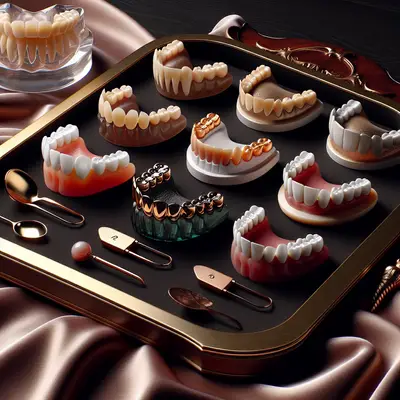
Conventional full dentures rest on the gums and are usually chosen when all teeth in an arch are missing, often after a healing period following extractions. Immediate dentures are placed the same day teeth are removed, offering continuity of appearance but typically requiring frequent adjustments as the gums reshape. Partial dentures fill gaps when some natural teeth remain; these can be made with metal frameworks, flexible bases, or highly aesthetic tooth-colored clasps, each with different trade-offs in durability and discretion.
Implant-supported or implant-retained dentures add another dimension, offering enhanced stability and bite function by anchoring to titanium posts placed in the jawbone. Even within this category, there are variations: removable overdentures that “snap” onto implants, and more fixed, bridge-like options that stay in place except for professional removal. Understanding these layers helps you move beyond a simple label toward a tailored, intentional choice.
The Aesthetic Equation: How Denture Types Shape Your Presence
Different denture types offer distinct aesthetic capabilities, and the most polished results come from strategically matching the type to your goals rather than settling for a generic default. For some, the priority is an undetectable transition from natural teeth to prosthetics; for others, it is the opportunity to refine and enhance a smile that may never have felt quite “right” before.
Full dentures allow substantial control over tooth shape, shade, and arrangement, which can be used to create a naturally “imperfect” yet harmonious look—subtle rotation or staggered lengths can keep the smile from appearing artificial. High-end partials can be designed to blend seamlessly with remaining natural teeth, optimizing the balance between symmetry and authenticity. Implant-supported options typically provide superior lip support and facial structure, especially in cases of bone loss, often resulting in a more youthful, lifted appearance.
A sophisticated conversation with your dental team should include how each denture type will influence your facial profile, lip fullness, and even the way light reflects off your teeth—not just how white or straight they are. These details are where a denture crosses the line from “noticeable replacement” to “effortlessly your own.”
Functional Nuance: Stability, Speech, and Culinary Freedom
Function is often discussed in general terms—“better chewing,” “improved speech”—but the differences between denture types can be surprisingly granular. The way a denture engages with your jaw, gums, and implants affects not only what you can eat but how confidently you move, speak, and socialize.
Conventional full dentures depend on a combination of suction, fit, and ridge anatomy. An impeccable fit can feel secure, but you may still adapt your diet, particularly with very hard or sticky foods. Partial dentures, especially those with metal frameworks, often deliver more robust support by leveraging remaining natural teeth as anchors, which can enhance both chewing and speech articulation.
Implant-retained dentures elevate function further. The stability they provide often allows a more varied diet, better bite force, and less worry about shifting during conversation or laughter. Some patients report that implant-supported options feel closer to natural teeth when speaking rapidly, singing, or engaging in public-facing roles. Considering how you live—your social calendar, speaking demands, and culinary preferences—can guide you toward a denture type that supports not just your mouth, but your lifestyle.
Five Exclusive Insights Seasoned Denture Wearers Quietly Rely On
These are the kinds of considerations that rarely make it into standard pamphlets, yet they often define long-term satisfaction for those who have worn dentures for years.
1. Micro-Adjustments Matter More Than the Initial Choice
While selecting a denture type is important, the real refinement happens in the series of small adjustments afterward. Seasoned wearers know that bite fine-tuning, subtle reshaping of acrylic edges, and small modifications to tooth position can dramatically improve ease of chewing and speech.
The insight: Prioritize a clinician who welcomes follow-up visits and treats adjustments as part of the design process, not an afterthought. Any denture type—full, partial, or implant-supported—performs better after this intentional “polishing phase.”
2. The Base Material Influences Comfort All Day, Not Just Fit
Premium acrylics, high-impact materials, and flexible bases can feel noticeably different on the tissues, especially after many hours of wear. Some high-end partials trade minimal bulk for increased comfort and more natural tongue space, affecting how “present” the denture feels in your mouth.
The insight: When comparing types, ask not only about how the denture will look, but how thick it must be, how it interacts with your palate or tongue, and what long-term comfort the material is known for. Small differences in bulk or contour can translate into whether you forget you are wearing it by mid-day—or are constantly aware of it.
3. Implant Placement Strategy Is as Important as the Denture Design
For implant-supported dentures, the number and position of implants greatly influence stability, chewing zones, and even the way force is distributed across your jaw. Two implants in the lower jaw can markedly improve stability compared to a traditional lower denture, but four or more can offer an even more secure feel and may allow a slimmer, more refined prosthesis design.
The insight: If you’re considering implant-retained options, discuss not just “whether” but “how many, and where.” Sophisticated treatment planning balances bone health, budget, and esthetics with optimized implant positioning—this directly shapes the look, feel, and longevity of the final denture.
4. The Bite Relationship Can Protect Your Joints and Muscles
Well-designed dentures do more than fill space—they orchestrate how your upper and lower jaws meet. An imbalanced bite can contribute to jaw fatigue, muscle tension, and even headaches, especially in those who clench or grind.
The insight: Ask your provider how they evaluate your bite (occlusion) with your chosen denture type. Techniques such as articulator-mounted models, digital bite analysis, and careful assessment of your jaw movements can help create a more physiologic bite. Over time, this can be just as important as appearance in determining your comfort.
5. A “Staged” Strategy Often Outperforms a Single Big Decision
Experienced denture wearers and forward-thinking clinicians often approach treatment as a progression rather than a one-time event. You might begin with a conventional or immediate denture, then transition to an implant-retained solution once healing is complete and your preferences are clearer.
The insight: Rather than feeling pressured to make a final, definitive choice at the outset, consider a staged pathway. This can allow you to live with an interim denture type, refine your expectations, then invest in a more advanced solution (such as a fixed or implant-supported option) with greater confidence and clarity.
Choosing with Intention: Matching Denture Types to Your Lifestyle
Once you grasp the nuances between denture types and the finer points that influence long-term satisfaction, the question becomes: Which path aligns with your life, not just your mouth?
If you value versatility and are comfortable with a removable approach, a thoughtfully designed full or partial denture might be ideal, especially when crafted with premium materials and fine-tuned over several visits. If your lifestyle demands maximum stability—frequent dining out, public speaking, or a deep desire to “forget” you are wearing dentures—implant-supported options may offer the most congruent solution. Those who prize subtlety may favor ultra-aesthetic partials or hybrid designs that blend implants with removable components for cleaning ease.
Ultimately, the most refined outcome comes from aligning your denture type with your aesthetic ideals, functional needs, and willingness to commit to maintenance and follow-up care. Your choice is less about selecting from a catalog and more about commissioning a bespoke solution—one that respects the complexities of your anatomy, your schedule, and your standards.
Conclusion
The world of denture types is far richer and more customizable than traditional brochures suggest. When approached thoughtfully, the decision is not simply “Which denture do I need?” but “Which configuration of materials, anchors, and design details best supports the way I live, speak, and present myself?”
By understanding the functional distinctions between full, partial, and implant-supported dentures—and by applying the five insider insights that experienced wearers quietly rely on—you can navigate this choice with poise. The result is not just a replacement for missing teeth, but a carefully curated extension of your personal style and everyday comfort.
Sources
- American College of Prosthodontists – Types of Dentures – Overview of complete, partial, and implant-supported dentures from a leading prosthodontic organization
- Mayo Clinic – Dentures: What to Expect – General information on denture options, fit, and adaptation process
- National Institute of Dental and Craniofacial Research (NIDCR) – Tooth Replacement Options – Evidence-based discussion of dentures and implants from a U.S. government research institute
- Cleveland Clinic – Implant-Supported Dentures – Detailed explanation of implant-retained dentures, benefits, and candidacy
- Harvard Health Publishing – Dental Implants: What to Know – Context on implants and how they relate to prosthetic options, including dentures
Key Takeaway
The most important thing to remember from this article is that this information can change how you think about Denture Types.