A truly refined smile is rarely the result of grand gestures; it is curated in quiet, daily decisions few people ever notice—but everyone sees. For denture wearers, maintenance is not simply about avoiding stains or odors; it is about preserving precision fit, comfort, and a sense of effortless composure.
Below, you’ll find an elevated approach to denture care: five exclusive insights that move beyond the usual rinse-and-soak advice, designed for those who value discretion, longevity, and a consistently impeccable appearance.
Calibrating Water Temperature: The Subtle Safeguard for Shape and Fit
Most care labels mention “cool water,” but discerning denture wearers treat water temperature as non-negotiable—almost like climate control for their prosthetic smile. Acrylic dentures can be surprisingly sensitive to heat; repeated exposure to hot or very warm water may cause minute warping that is invisible to the eye yet unmistakable in the mouth.
When cleaning or rinsing your dentures, opt for cool to mildly lukewarm water—never hot, never steaming. If you would not comfortably submerge your hand in it for several seconds, it’s too warm for your dentures. This habit helps preserve the precise contours your dentist or prosthodontist has carefully crafted, maintaining an intimate fit along the gum line and palate. Over time, this subtle discipline pays off: reduced irritation, fewer sore spots, more stable chewing, and a denture that continues to feel “tailored” rather than simply “tolerable.”
Consider keeping a dedicated carafe or glass at your sink, used only for denture rinsing, so temperature control becomes a small but deliberate part of your routine. The result is an understated yet powerful safeguard of both comfort and aesthetics.
Curated Cleaning: Rotating Products With Intention, Not Impulse
Many denture wearers use whatever cleanser happens to be on hand, but a more elevated approach treats cleaning products as a curated collection rather than a random assortment. The objective is balance: strong enough to remove plaque, stains, and microorganisms, yet gentle enough to preserve surface integrity and color.
Start with a professional-grade denture cleanser recommended by your dentist—one that is non-abrasive and specifically formulated for prosthetics. Then, consider a secondary product for particular needs: for instance, a mild, non-whitening toothpaste or gel for brushing the inside surfaces, or an enzymatic tablet for deeper weekly detox soaks. Avoid regular whitening toothpastes and household abrasives—baking soda, scouring powders, and harsh cleansers may create microscopic scratches that encourage staining and plaque buildup over time.
Rotating products is not about variety for its own sake; it is about using the right tool for the right task. A daily cleanser for routine build-up, a periodic intensive soak for biofilm disruption, and a gentle brushing medium for targeted areas can deliver a cleaner, fresher denture with less mechanical scrubbing. This thoughtful portfolio of products helps maintain a smooth, lustrous surface that feels as refined as it looks.
Nightly Rest With Purpose: Optimizing the Off-Duty Hours
Removing dentures at night is often explained as a simple step to “let the gums rest,” but a more sophisticated perspective sees nighttime as an orchestrated recovery period—for both your mouth and your appliance. How you store your dentures overnight can significantly influence odor control, stain resistance, and overall hygiene.
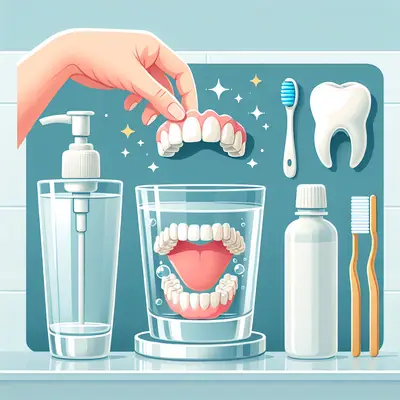
Rather than dropping dentures into any available cup of water, create a dedicated nightstand station: a covered container, cleaned daily, filled with fresh, cool water and, when appropriate, a non-corrosive cleansing tablet. This prevents dehydration of the acrylic (which can lead to warping or surface changes) and reduces bacterial accumulation during the longest stretch of non-use.
Equally important is what happens in your mouth while your dentures rest. Gently brushing your gums, tongue, and palate, then finishing with an alcohol-free antimicrobial mouthrinse, supports tissue health and freshens breath at the source. This dual-focus ritual—restorative space for the dentures, restorative care for the soft tissues—creates a more comfortable, fresher-feeling fit the next morning.
In essence, your dentures are “off duty” overnight, but your maintenance strategy should be quietly working for you.
Precision Brushing: Gentle Technique That Protects the Finish
Brushing dentures is frequently reduced to a rushed scrub at the sink. A more nuanced technique protects both the structural integrity and the visual refinement of your appliance. The objective is to remove plaque and food particles without dulling the surface or creating micro-abrasions that harbor stains.
Invest in a dedicated denture brush or an ultra-soft toothbrush reserved exclusively for prosthetics. Before brushing, briefly rinse your dentures under cool water to remove loose debris. Then, with a non-abrasive cleanser, brush using short, controlled strokes, paying particular attention to the zones most prone to plaque capture: around the teeth-gum junctions, the underside of the base, and any clasps or attachments (for partial dentures). Avoid pressing the denture against the sink or countertop; instead, cushion the area with a folded towel or fill the basin with a few inches of water so an accidental drop doesn’t become a fracture.
Take a moment to visually inspect as you brush—look for early signs of wear, staining, or small cracks. This level of attentiveness allows you to schedule professional adjustments or polishing before minor issues compromise comfort or aesthetics. Over time, this meticulous yet unhurried approach maintains a refined, satin-like finish that resists dullness and discoloration.
Proactive Professional Care: Treating Checkups as Fine-Tuning, Not Emergencies
Many denture wearers see their dentist only when something feels wrong: a sore spot, a fracture, a loosened fit. Those who maintain an impeccably composed appearance, however, treat professional care as routine calibration rather than crisis repair.
Schedule regular visits—often annually, or more frequently if recommended—to allow your dentist or prosthodontist to evaluate fit, bite alignment, and the condition of both your dentures and your oral tissues. Subtle changes in bone structure, weight, or general health can gradually alter the way your dentures sit and function. A professional can identify early indicators of pressure points, instability, or uneven wear long before they become painful or visibly obvious.
During these visits, ask about professional polishing to refresh the surface luster and help prevent long-term staining. If your denture begins to feel slightly loose, inquire about a professional reline rather than resorting to constant at-home adhesives. These quiet interventions preserve not only function but also the sense of confidence that comes from knowing your smile is supported by expert oversight.
Approaching dental appointments as part of a refined maintenance schedule—much like servicing a well-crafted timepiece—ensures that your prosthetic smile remains precise, comfortable, and aesthetically harmonious year after year.
Conclusion
Exceptional denture maintenance is less about dramatic routines and more about a series of precise, thoughtful choices: cool water instead of warm, curated cleansers instead of improvisation, intentional nighttime care instead of habit, meticulous brushing rather than hurried scrubbing, and proactive professional checks in place of emergency visits.
When these elements are woven into your daily and seasonal rituals, your dentures do more than function—they embody quiet refinement. The result is a prosthetic smile that feels as composed as it appears: stable, fresh, and elegantly understated, day after day.
Sources
- American Dental Association – Dentures – Overview of denture types and essential care recommendations
- Mayo Clinic – Dentures: How to Care for Them – Practical guidance on daily cleaning, handling, and storage
- Cleveland Clinic – Dentures – Detailed discussion of fit, maintenance, and when to see your provider
- National Institutes of Health (NIH) – Oral Health in Aging – Context on oral health considerations for older adults, including prosthetic care
- University of Rochester Medical Center – Dentures and Partials – Educational overview of denture use, hygiene, and professional follow-up
Key Takeaway
The most important thing to remember from this article is that this information can change how you think about Maintenance Tips.