The most successful dentures are rarely the ones you notice. They are the quiet collaborators in a polished appearance—functional, discreet, and tailored so precisely that they feel less like a device and more like an extension of you. Today’s denture landscape has evolved well beyond the traditional “false teeth” stereotype. For those who expect more from their dentistry—refinement, comfort, and subtlety—understanding denture types is less about labels and more about lifestyle alignment.
This guide moves past basic definitions and into the nuanced choices that shape how your dentures look, feel, and perform every day, with five exclusive insights that discerning wearers consistently value.
The Modern Denture Landscape: More Than “Full” or “Partial”
Conventional categories—full, partial, implant-supported—are only the beginning. Within each lies a spectrum of design decisions that can dramatically influence your experience.
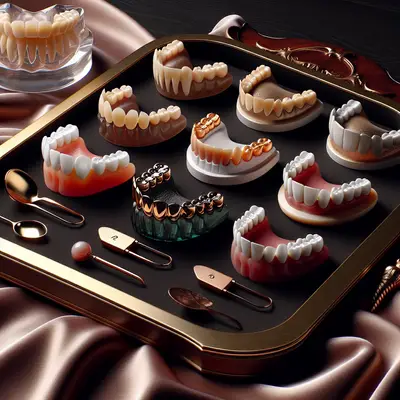
Classic complete dentures remain a sophisticated solution for those missing all teeth in an arch, especially when designed with premium tooth materials and artistry that respects facial proportions and age-appropriate aesthetics. Partial dentures, once considered a compromise option, are now capable of remarkably subtle integration, preserving remaining natural teeth while completing the smile with carefully shaded prosthetic teeth.
Implant-supported dentures (fixed or removable) occupy a premium tier, pairing the stability of dental implants with a prosthetic that feels anchored, not floating. For many, the psychological shift from “removable plate” to “integrated restoration” is profound. Beyond these, niche solutions such as overdentures (resting on a few remaining natural roots or implants) and immediate dentures (placed the same day teeth are removed) allow for continuity of appearance while longer-term plans come to life.
The key is recognizing that “type” is less a category and more a framework. The best outcomes occur when your dentist crafts within these frameworks to match your anatomy, expectations, and social lifestyle.
Aesthetic Precision: How Denture Type Shapes Your Overall Look
Denture type is not just about chewing efficiency; it frames your entire face. Different designs offer different levels of control over facial support, tooth positioning, and the subtleties of your smile line.
Full dentures, for instance, must replace not only teeth but often some lost support for lips and cheeks. The shape and thickness of the denture base can gently restore youthful fullness without appearing exaggerated. Implant-supported options can be designed more slenderly because implants provide anchorage, allowing less bulky acrylic and a more natural drape to the soft tissues.
With partials, the arrangement and shading of prosthetic teeth must harmonize with the remaining natural ones. This means matching translucency, surface texture, and even slight asymmetries that make a smile look real rather than manufactured. High-end labs now use layered ceramics and advanced composite resins to mimic the way light moves through natural enamel, a detail that can elevate a denture from “acceptable” to nearly undetectable.
The conversation with your clinician should therefore go beyond “What type do I need?” and into “What expression, facial support, and age-appropriate elegance do we want to create?”
Comfort and Stability: The Quiet Luxury of a Well-Chosen Denture Type
For many wearers, true luxury is not glamour—it’s forgetting, for long stretches of the day, that the denture is even there. Different denture types excel in different aspects of comfort and stability.
Traditional full dentures rely on a combination of close fit, saliva, and sometimes adhesive for retention. When meticulously crafted, they can be surprisingly stable, yet some wearers with pronounced bone loss or a flat lower ridge may still find movement inevitable. In these cases, the shift to implant-retained overdentures can be transformative: a small number of implants in the jaw create secure “anchor points,” dramatically improving confidence when speaking and eating.
Partial dentures can offer excellent stability if the remaining teeth are healthy and the clasps—or more discreet precision attachments—are accurately designed. Meanwhile, fixed implant-supported dentures (often called “hybrid” or “all-on” restorations) essentially function as a non-removable bridge: they are brushed and flossed differently but worn continuously, delivering a psychological resemblance to natural teeth.
Comfort is not only physical; it is social and emotional. A well-chosen denture type should support you in business meetings, dinners, and close conversations without the constant background concern of slipping or clicking.
Five Exclusive Insights for the Discerning Denture Wearer
For those seeking more than standard advice, the nuances below often define the difference between “good enough” and genuinely elevated denture living.
1. Tooth Shape and “Personality” Matter More Than You Think
Beyond shade, each tooth has a character—rounded edges can soften the face, while sharper, more angular forms can project a slightly more assertive or youthful look. Certain denture types, especially those fabricated in premium labs, allow more flexibility in customizing tooth form, incisal translucency, and even micro-texture. Ask to review wax try-ins or digital previews not only for color, but for the overall “personality” the teeth convey.
2. Your Bone and Gum Profile Quietly Dictate Your Best Options
The amount and shape of remaining jawbone heavily influence which types of dentures will feel and function best. In advanced bone loss, traditional lower dentures may remain challenging regardless of craftsmanship. In such cases, even a minimal number of implants (sometimes as few as two) can support an overdenture that is vastly more stable. Discuss bone quality, sinus position, and potential grafting options with your clinician; these anatomical realities should guide your choice more than marketing terms.
3. Metal-Free vs. Metal Frameworks Is a Strategic Esthetic Choice
High-end partial dentures are available with discreet metal frameworks or more cosmetic, metal-free designs. While metal frameworks often provide superior long-term strength and thinner profiles, advanced nylon or high-impact acrylic partials can offer exceptional esthetics with no visible clasps in the smile zone. The right selection depends on where your remaining teeth are, how visible the clasps would be, and how much you prioritize absolute invisibility versus long-term structural rigidity.
4. The “Trial Phase” Is Your Greatest Untapped Advantage
Many patients treat the wax try-in or provisional phase as a formality. In reality, this is your moment of greatest influence. Wearers who end up most pleased with their dentures often:
- Take photos from different angles at the try-in stage
- Speak, laugh, and read aloud with the temporary or trial prosthesis
- Provide detailed feedback about tooth length, midline, and how their lips rest at repose
Your willingness to refine during this phase—before final processing—can dramatically upgrade the final outcome, regardless of denture type.
5. Different Types Age Differently—Plan for the Long Game
All dentures change over time as your mouth evolves. Conventional full dentures will eventually require relines as the jawbone remodels. Implant-supported options typically offer greater long-term stability of fit, but components like attachments, clips, or prosthetic teeth may need periodic replacement. High-end materials can be repolished and refreshed, extending their aesthetic life, but not indefinitely.
Choosing a denture type is therefore also choosing a maintenance philosophy: are you comfortable with periodic relines and adjustments, or would you prefer a more stable, implant-based foundation that involves different, more technical upkeep?
Matching Denture Type to Lifestyle, Not Just Clinical Need
The best denture is one that aligns quietly with how you live, work, and socialize. Someone who travels frequently might appreciate the reliability and stability of an implant-retained solution that minimizes the need for adhesive and on-the-go adjustments. A person with complex medical conditions may prefer a simpler, well-crafted conventional denture that avoids additional surgeries.
Consider your priorities:
- Do you value maximum stability for public speaking or dining out?
- Is absolute discreteness of clasps and hardware essential to you?
- How important is the ability to easily remove and thoroughly clean your prosthesis?
- Are you comfortable investing in implants and their long-term maintenance for a more “natural tooth” experience?
Bringing this level of self-awareness into your consultation elevates the conversation from “what can be done” to “what best serves the life you intend to lead.”
Conclusion
Denture types are often presented as a simple menu: full, partial, implant-supported. In reality, they are flexible design frameworks that, when executed thoughtfully, can deliver a remarkably refined, nearly invisible enhancement to your daily life. The most satisfying results come from an interplay of technical excellence, aesthetic sensitivity, and a clear understanding of your personal priorities.
By engaging deeply with the nuances—from tooth character to bone anatomy, from framework choices to long-term maintenance—you transform denture selection from a basic necessity into a deliberate, elevated decision. The outcome is not just replacement teeth, but a quietly confident smile that feels authentically, effortlessly yours.
Sources
- American College of Prosthodontists – Dentures Overview – Clinical explanations of complete, partial, and implant-supported dentures
- Mayo Clinic – Dentures: What to Expect – General guidance on denture types, fit, and adaptation
- National Institute of Dental and Craniofacial Research (NIDCR) – Evidence-based information on tooth replacement options, including dentures and implants
- Cleveland Clinic – Implant-Supported Dentures – Detailed overview of implant-retained and implant-supported prostheses
- Harvard School of Dental Medicine – Dental Implants and Prosthodontics – Educational resource on implant dentistry and its role in modern prosthetic solutions
Key Takeaway
The most important thing to remember from this article is that this information can change how you think about Denture Types.