A well-crafted denture should do more than replace teeth; it should restore the quiet confidence with which you speak, dine, and smile. Today’s denture options are far more refined than the obvious, one-size-fits-all plates of the past. Materials, design philosophies, and customization techniques have evolved to the point where your prosthesis can be tailored not only to your anatomy, but to your lifestyle, aesthetic preferences, and long‑term oral health goals.
This guide explores the major denture types through a discerning lens—and reveals five exclusive, often-overlooked insights that seasoned denture wearers consistently value once they discover them.
Understanding the Landscape: Core Denture Types Today
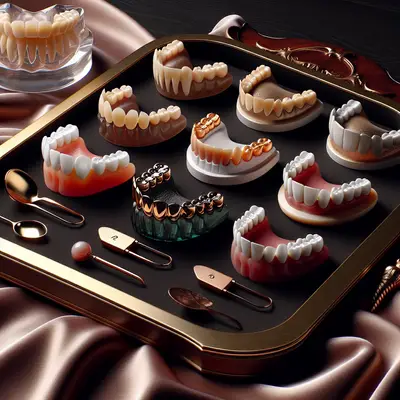
Modern prosthodontics no longer treats “dentures” as a single category. Instead, there is a spectrum of solutions, each designed for specific clinical and lifestyle needs.
Conventional full dentures are used when all natural teeth in an arch are missing. They rest on the gums and underlying bone once any extractions have fully healed. Contemporary versions can be surprisingly discreet, with lifelike tooth layering and subtle variations in shade that emulate natural enamel and translucency, rather than a uniform “denture white.”
Partial dentures replace several missing teeth while preserving those that remain. They can be crafted with metal frameworks for strength, flexible bases for comfort, or a hybrid approach for optimal balance. A thoughtfully designed partial respects the existing bite, distributing forces so that remaining natural teeth are not overburdened.
Immediate dentures are placed on the same day as tooth extractions, allowing you to leave the clinic with a complete smile. While they often need adjustments or relining as the gums heal and reshape, they offer psychological and social ease during a potentially vulnerable transition.
Implant-supported dentures—either removable overdentures or fixed, screw‑retained bridges—anchor to dental implants placed in the jaw. They offer far greater stability, reduced movement, and improved biting efficiency, while also helping preserve bone structure over time. For many, this solution feels the closest to “having my own teeth back.”
Flexible dentures (often using nylon-based materials) are lighter and more forgiving than traditional acrylic in certain indications, particularly for partials. Their thin, gum-colored clasps can be less noticeable than metal, though they may not suit every bite or long-term support requirement.
Recognizing these categories is the first step. The more meaningful distinction lies in how precisely each option can be tailored to who you are—and how you live.
Beyond the Mirror: Aesthetic Customization as a Design Philosophy
Denture aesthetics today go far beyond “straight white teeth.” Thoughtful design considers the character of your natural smile and the impression you wish to make.
The shape and arrangement of teeth can subtly signal personality: slightly rounded edges and gentle irregularities often convey warmth and approachability, while more symmetrical, squared profiles can suggest a polished, formal presence. Many premium denture lines now offer multiple “smile libraries,” allowing you and your clinician to select a style that feels authentic rather than generic.
The shade selection process should also be nuanced. Instead of simply choosing a lighter color, a sophisticated approach considers skin undertone, age, lip color, and even the whites of your eyes. A very bright shade that looks striking in photos can appear artificial in natural light, especially if not balanced with delicate translucency and minor “flaws” like faint craze lines or minimal color gradations near the gumline.
Equally important is the gingival (gum) characterization. High-quality dentures often integrate subtle marbling, natural textures, and delicate contouring of the gum areas to imitate the organic look of real tissue. This becomes particularly important in a full upper denture, where more gum typically shows when you smile or laugh.
A key conversation with your provider should be: Do you offer a try-in with aesthetic adjustments before finalizing? A wax or digital trial allows you to see—and feel—your future smile, and request refinements in tooth length, shape, and display before anything becomes permanent.
Function First: How Different Denture Types Perform in Real Life
While aesthetics may draw your attention, it is day-to-day function that determines how content you feel with your choice.
Full conventional dentures rely largely on surface tension, muscle coordination, and precise fit for stability—particularly in the lower jaw, where bone and soft tissue support are more limited. For many, this means adapting to slightly smaller bite forces, cutting food into smaller pieces, and learning subtle tongue and cheek strategies to keep the prosthesis from shifting.
Partial dentures can be highly functional when they are carefully balanced and supported by remaining teeth. A refined design shares pressure between teeth and gums, protects delicate areas, and avoids visually intrusive clasps in the aesthetic zone where possible. Misaligned or poorly designed partials, by contrast, may accelerate wear or mobility in supporting teeth.
Implant-supported options elevate function considerably. Even a modest number of implants (often two for a lower overdenture, and more for increased stability) can transform a mobile, difficult denture into one that snaps into place with quiet assurance. For those with demanding professional or social lives, the confidence to speak, dine, and laugh without worry of slippage is often the decisive benefit.
Soft liners and flexible bases can enhance comfort, particularly for tender gums or uneven bone. However, they must be paired with meticulous hygiene, as softer surfaces can harbor plaque if not cleaned thoroughly. Here, technique and consistency matter as much as the material itself.
Your functional priorities—steak dinners, public speaking, or simply a quiet cup of coffee without adhesive—should directly inform which type of denture, and which design refinements, are truly worth investing in.
Five Exclusive Insights Discerning Denture Wearers Quietly Rely On
Beyond the standard advice, there are refined nuances that those with long-term denture experience often wish they had known from the outset.
1. The “Second Pair” Strategy for Polished Social and Professional Life
Many seasoned denture wearers ultimately invest in two sets of dentures with slightly different priorities:
- A primary pair optimized for daily comfort, chewing efficiency, and reduced wear, with conservative tooth length and minimal gum display.
- A social or “presentation” pair with subtly enhanced tooth length, a slightly brighter but still natural shade, and more refined gingival aesthetics for special events, media appearances, or formal engagements.
This approach is particularly valued by those frequently in the public eye. It provides a polished presence when desired, while preserving a more understated, practical set for everyday use—and offers a seamless backup should one denture require repair or adjustment.
2. Micro-Adjustments Can Transform Speech Clarity
Minor refinements to palate thickness, incisor length, and tooth positioning can dramatically improve speech—for example, clearer “s,” “t,” and “d” sounds. A few tenths of a millimeter in the wrong place can create subtle lisping or air “whistling” that becomes most noticeable in quiet rooms, on calls, or during presentations.
Discerning wearers often:
- Ask for a speech-focused adjustment visit after a trial period.
- Read aloud or recite familiar phrases during appointments to help the clinician identify problem areas.
- Request careful thinning of the palate in targeted zones, rather than across the entire surface, to maintain strength while enhancing speech.
This level of precision is rarely discussed in basic denture guides, yet it makes a noticeable difference in how naturally—and confidently—you communicate.
3. Subtle Bite Refinement Protects the Jaw and Neck
An elegant denture is not only beautiful; it is kind to your joints and muscles. The way your upper and lower teeth meet—your occlusion—can influence jaw tension, neck strain, and even headaches.
Experienced denture wearers often benefit from:
- A fine-tuned bite adjustment a few weeks after delivery, once chewing patterns become more natural.
- Gentle shaving or reshaping of high spots that force the jaw to close unevenly.
- Soft night-time wear evaluation, ensuring the jaws meet in a balanced, relaxed position, not tipped to one side.
Those who invest in this subtle refinement frequently report not just more comfortable chewing, but an overall sense of ease in the jaw and neck that they hadn’t associated with their dentures at all.
4. Strategic Use of Implants—Not Always “All or Nothing”
Implant-supported solutions are often presented as a complete overhaul, but many discerning patients choose a targeted, strategic approach:
- For a lower denture that chronically shifts, two implants with an overdenture can be transformative without the cost or invasiveness of a full fixed bridge.
- For a partial denture, one or two implants in key positions can stabilize the prosthesis, reduce visible clasps, and preserve remaining teeth from overload.
- In cases with significant bone loss in the back of the mouth, implants can be used selectively in the front or mid-arch to achieve stability where it is most functionally meaningful.
Rather than viewing implants as an all-or-nothing commitment, this strategy treats them as finely placed anchors that complement an already well-designed denture, elevating performance with surgical precision.
5. Annual “Aesthetic and Fit Audit” as a Quiet Luxury
High-end denture wearers frequently schedule an annual audit rather than waiting until discomfort or visible changes force an adjustment. This visit goes beyond a simple fit check:
- Reviewing facial changes: slight volume loss in the lips or cheeks, subtle shifts in jaw posture, or alterations in smile line.
- Evaluating whether the tooth shade still harmonizes with skin tone and age.
- Inspecting microscopic wear on denture teeth that could flatten your smile or alter your bite.
- Assessing bone and gum health under and around the denture, especially for implant-supported solutions.
This proactive approach ensures your dentures continue to look not just “acceptable,” but truly in sync with who you are each year—an understated form of self-care that preserves both comfort and poise.
Matching Your Denture Type to Your Lifestyle
Once you understand the spectrum of denture types and the nuances that refine them, the next step is aligning your choice with the way you actually live.
If your days are filled with client meetings, keynote presentations, or performances, stability and speech clarity may take precedence—often pointing toward implant support or, at minimum, a meticulously fitted lower denture with precise occlusion.
If you travel frequently or live between multiple residences, considerations like ease of care, availability of quick repairs, and having a secondary set become particularly important. Acrylic full dentures are widely serviceable, and having a second pair safeguarded at home or in a travel kit can prevent a minor mishap from becoming a major disruption.
For those who prioritize cuisine and social dining, discussing specific foods and textures you value most can guide design choices: the type of teeth used, the placement and number of implants, and the way your clinician shapes the chewing surfaces. The goal is not merely “can you chew?” but “can you savor what you love with ease and elegance?”
And for anyone with a demanding schedule or health considerations, seeking materials and designs that simplify hygiene—for example, well-polished surfaces that resist plaque, removable overdentures that are easy to clean around implants, or partials that do not trap food excessively—can make the difference between aspirational care routines and truly sustainable ones.
Conclusion
Choosing among denture types is no longer a simple clinical decision; it is a personal curation of aesthetics, function, comfort, and long-term wellness. The most satisfying outcomes come not from the label—full, partial, immediate, implant-supported, or flexible—but from the quiet, precise refinements that make your prosthesis feel unequivocally yours.
By embracing nuanced customization, prioritizing speech and bite harmony, considering strategic implants where appropriate, and committing to periodic aesthetic and fit audits, you elevate your dentures from a necessity to an understated luxury—one that supports every introduction, every shared meal, and every unguarded smile with quiet confidence.
Sources
- American College of Prosthodontists – Dentures Overview – Clinical overview of full and partial denture types, indications, and care considerations.
- Mayo Clinic – Dentures: What to Expect – General guidance on the denture process, adaptation, and practical expectations for wearers.
- National Institute of Dental and Craniofacial Research (NIDCR) – Tooth Replacement Options – Evidence-based discussion of dentures, implants, and other restorative choices.
- Cleveland Clinic – Dental Implants and Dentures – Detailed explanation of implant-supported solutions and their benefits compared with traditional dentures.
- Columbia University College of Dental Medicine – Complete vs. Partial Dentures – Academic overview of design differences, fit principles, and functional considerations for various denture types.
Key Takeaway
The most important thing to remember from this article is that this information can change how you think about Denture Types.