A well-kept denture should never announce itself. It should move with you—through conversation, dining, and laughter—so quietly that even you occasionally forget it’s there. That level of ease doesn’t happen by accident; it’s the result of disciplined, refined maintenance. Think of denture care not as a chore, but as the daily stewardship of something that quietly elevates your presence.
Below, you’ll find a considered approach to denture maintenance, including five exclusive insights that go beyond the usual rinse-and-soak advice. These are the nuances that distinguish merely “clean” dentures from impeccably maintained ones.
Rethinking “Clean”: The Difference Between Surface Freshness and True Care
Many wearers assume that if their dentures look clean and smell neutral, the work is done. In reality, surface freshness is only the beginning. Microscopic plaque and biofilm can accumulate on denture acrylic just as they do on natural teeth, contributing to irritation, staining, and denture stomatitis (inflammation of the tissues under the denture).
True care involves three dimensions: hygiene, fit, and material preservation. Hygiene keeps bacteria, fungi, and odors under control; fit preserves your ability to speak and chew elegantly; and material preservation protects the shape, polish, and color of your prosthesis over time. When all three are maintained consistently, your denture remains a subtle extension of you—rather than a separate object you are constantly aware of.
Exclusive Insight #1: “Clean” Has a 24-Hour Horizon
Instead of thinking “Is my denture clean right now?” adopt a 24-hour perspective: “What will this do to my denture and my mouth by tomorrow?” Acidic beverages, overnight dryness, skipped rinses, and rushed brushing may not cause immediate disaster, but they set the stage for problems within a day. This mindset naturally leads to gentler choices—lukewarm water instead of hot, specialized cleanser instead of household soap—and keeps small lapses from becoming tomorrow’s irritation or odor.
The Nightly Ritual: Elevating Your Evening Routine
Removing your dentures at night is more than a recommendation; for most wearers, it is a quiet act of respect toward your oral tissues. Your gums and palate need time to rest and recover from the constant contact and pressure of the acrylic or metal base.
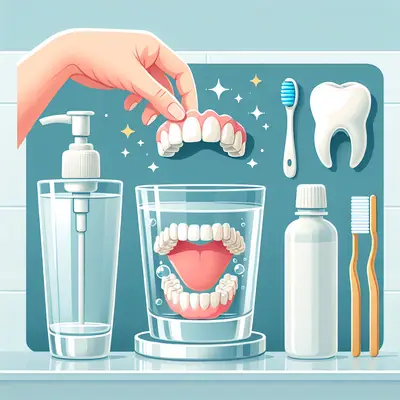
Begin by rinsing your dentures under cool to lukewarm running water to remove loose debris. Then use a soft-bristled denture brush and a non-abrasive denture cleanser to carefully clean every surface—including the side that touches your gums. Standard toothpaste is often too abrasive for acrylic and can create micro-scratches that harbor bacteria and stain over time.
Once cleaned, your dentures should rest in a soaking solution or plain water (depending on your dentist’s recommendation) so they remain moist and maintain their shape. Letting dentures dry out can lead to warping and a subtler, but equally troubling, loss of comfort and stability.
Exclusive Insight #2: Treat the Soak as Therapy, Not Storage
Consider your overnight soak an active “treatment window,” not passive storage. This is the perfect time to use an effervescent denture-cleaning tablet designed to disrupt biofilm and reduce microbial buildup. Rotating between a gentle daily soak and a more intensive cleaning product a few times a week (only if your dentist approves) can keep your denture consistently polished and your tissues calmer—without harsh scrubbing or aggressive brushing.
Polished Speech and Confident Dining: Maintenance Beyond Cleanliness
Maintenance is not purely about hygiene; it is also about preserving the way you sound and how you eat. Small changes in fit or surface texture can subtly affect your speech and your comfort during meals. A denture that was once silent in your mouth can start to click, shift, or collect food around the edges if not properly maintained.
Daily, inspect your dentures in bright, neutral light. Look for hairline cracks, faint crazing, or small chips—especially around the edges and around clasps if you wear partials. Even minor damage can trap food, influence how air passes over your palate, and alter the way certain words sound. Addressing these early with your dentist often means a simple adjustment instead of a full remake.
When eating, note whether food increasingly lodges beneath the denture or whether you are unconsciously favoring one side. These small behavioral shifts often signal a change in fit, weight distribution, or bite alignment that you may not see but certainly feel.
Exclusive Insight #3: Use Your Voice as a Daily Fit Check
Your own speech can be an elegant diagnostic tool. Choose a short phrase with several “s,” “t,” and “f” sounds—something you can say naturally each morning, such as reading a single line from a book out loud. If you notice a new whistle, slight lisp, or subtle hesitation, it may signal changes in denture positioning or surface wear. This quiet, daily “voice check” often detects issues before they become overt discomfort.
Protecting the Material: Gentle Handling and Smart Habits
Denture acrylic and metal frameworks are engineered to be durable yet refined. Still, they are vulnerable to extreme temperatures, harsh chemicals, and rough handling. A sudden drop into a porcelain sink or onto a tile floor can cause fractures that are not always immediately obvious.
Always clean your dentures over a folded towel or a basin partially filled with water; this creates a cushion in case they slip. Avoid very hot or boiling water, which can distort the shape. Likewise, skip household cleaners, bleach (unless specifically indicated by your dentist), or abrasive powders that can damage the surface finish.
If you use denture adhesive, apply it sparingly and remove all residue from both denture and gums each day. Persistent dependence on increasing amounts of adhesive may indicate that your dentures no longer fit as they should and need professional adjustment or relining.
Exclusive Insight #4: Guard the Gloss—Surface Shine Is More Than Cosmetic
The high polish on a new denture is not just for aesthetics; it is a functional defense. A smooth surface attracts less plaque and stains more slowly. Once that gloss is scratched away by abrasive toothpaste or aggressive brushing, the denture becomes more difficult to keep clean, even if you are diligent. Protecting this finish with soft tools and non-abrasive products is one of the most overlooked—and most powerful—forms of long-term maintenance.
Harmonizing Mouth and Denture: Caring for the Tissues Beneath
Even the most beautifully maintained denture will cause problems if the tissues beneath are neglected. Your gums, tongue, and palate need as much attention as the prosthesis itself. After removing your dentures, gently brush your gums, palate, and tongue with a soft toothbrush or use a damp gauze pad to massage the tissues. This stimulates circulation, removes plaque, and helps prevent soreness and fungal overgrowth.
Pay attention to any areas of persistent redness, tenderness, or white patches under the denture base. These may signal denture stomatitis, pressure spots, or fungal infection (such as oral thrush) that requires prompt professional attention. Do not attempt to self-adjust the denture by trimming or bending components; even slight alterations can lead to more extensive issues with bite and stability.
Keep your regular dental appointments, even if you no longer have natural teeth. Your dentist will monitor the health of your soft tissues, check for oral cancer, and assess whether your denture still fits the changing contours of your jaw and gums.
Exclusive Insight #5: Adopt a “Bare-Gums Hour” Each Day
In addition to sleeping without your dentures, consider a daily “bare-gums hour” at home—perhaps while reading or relaxing in the evening. This intentional, denture-free interval allows your tissues to be bathed by natural saliva and rest from mechanical pressure. Many wearers report that this subtle ritual reduces end-of-day soreness and helps maintain healthier, more resilient gums over the long term.
Conclusion
Refined denture maintenance is less about dramatic interventions and more about quiet, consistent decisions. From protecting the polished surface to listening closely to your own voice, each habit contributes to a denture that feels discreet, dependable, and entirely at home in your mouth.
When you treat your dentures as a crafted, long-term companion rather than a replaceable accessory, your daily rituals naturally rise to meet that standard. The reward is not only a clean appliance, but a sense of effortless composure—through every conversation, every meal, and every unguarded smile.
Sources
- American Dental Association – Dentures - Overview of denture types, care recommendations, and common considerations for wearers
- National Institutes of Health (NIH) – Denture Stomatitis Review - Clinical discussion of causes, prevention, and management of inflammation under dentures
- Mayo Clinic – Dentures: What to Expect - Practical guidance on living with dentures, including fit, adjustment, and care
- Cleveland Clinic – Dentures - Detailed explanation of denture care, maintenance routines, and when to seek professional help
- Columbia University College of Dental Medicine – Caring for Your Dentures - Educational resource on daily cleaning, overnight care, and protecting oral tissues
Key Takeaway
The most important thing to remember from this article is that this information can change how you think about Maintenance Tips.