Modern dentures are more than a practical necessity—they’re an extension of your personal presence. How you care for them determines not only comfort and longevity, but also the quiet confidence with which you speak, dine, and smile. Thoughtful maintenance transforms dentures from “appliance” to “companion,” and small, refined rituals practiced consistently can make an extraordinary difference.
Below, you’ll find a sophisticated approach to daily care, plus five exclusive insights that seasoned denture wearers—and their clinicians—rarely say out loud, but deeply value.
The Foundation: Creating a Thoughtful Denture Care Routine
Denture maintenance begins with rhythm, not products. A well-structured routine—morning and evening—prevents minor issues from growing into discomfort or costly repairs.
Each morning, rinse your dentures with cool or lukewarm water to remove overnight cleansing solution and any residual debris. Before placing them, take a moment to gently massage your gums, tongue, and palate with a soft toothbrush or clean fingertip. This simple step boosts circulation, supports tissue health, and enhances overall comfort when the dentures are re-seated.
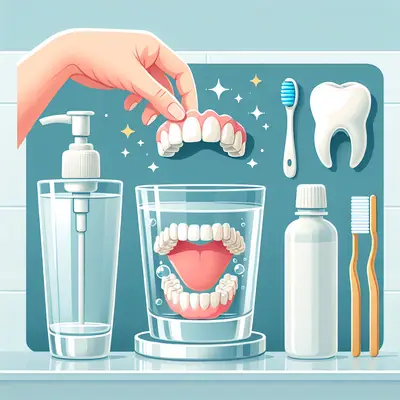
Evenings should be unhurried. Remove your dentures over a folded towel or basin of water to prevent breakage if they slip. Rinse thoroughly to clear food particles, then brush the dentures with a soft denture brush and non-abrasive cleanser specifically formulated for dentures—never regular toothpaste, which can create microscopic scratches that invite staining and plaque.
Finally, allow your dentures to rest overnight in a soaking solution recommended by your dentist. At the same time, give your oral tissues a break from constant contact. This daily “off-time” is not indulgent—it’s essential to maintaining healthy gums and supporting structures.
The Art of Gentle Precision: Cleaning Without Compromise
Denture cleaning is most effective when done with precision rather than force. Think of it as caring for a delicate yet durable piece of custom craftsmanship.
Use a soft, large-headed denture brush with rounded bristles and a cleanser labeled for dentures or dental appliances. Move methodically: start with the inner (tissue-facing) surfaces, then the outer surfaces, and finally the occlusal (chewing) surfaces. This ensures no area is consistently neglected.
Temperature is critical. Hot water can warp dentures—particularly those with acrylic bases—subtly changing the fit and potentially causing pressure points, sore spots, or shifting. Always default to cool or lukewarm water, even during thorough cleaning.
If staining is a concern, prioritize prevention over harsh “rescue” tactics. Dark liquids such as coffee, tea, and red wine can stain denture surfaces over time. Rinsing your mouth and dentures with water after consuming these beverages reduces pigment buildup and makes routine cleaning more effective.
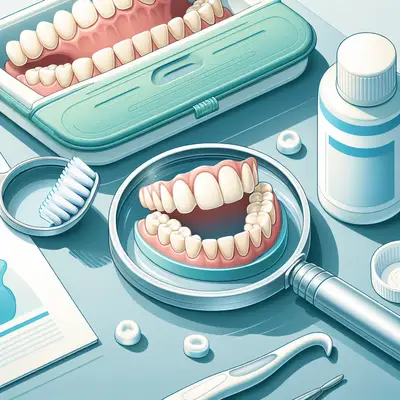
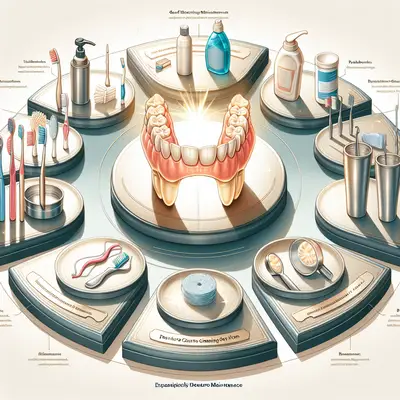
For those who appreciate a minimalist vanity, consider arranging a dedicated denture-care tray: a soft-bristled brush, cleanser, and a lidded soaking container. Keeping these tools curated and accessible elevates the experience and makes consistency almost effortless.
Five Exclusive Insights Seasoned Denture Wearers Quietly Rely On
These are the nuanced practices that often separate “good enough” care from truly exceptional maintenance. They’re rarely discussed during brief dental appointments, but they can significantly refine your daily experience.
1. Micro-Inspections Reveal Problems Before You Feel Them
Once a week, set aside a moment in good lighting to visually inspect your dentures from every angle. Look for hairline cracks, small chips, subtle discolorations, or areas where the acrylic appears slightly rougher or more matte.
Run a clean, dry fingertip along the edges to feel for sharpness or changes in contour. Even a tiny rough spot can irritate soft tissue over time. Early detection allows your dentist to polish or adjust before an issue evolves into a sore, ulcer, or fracture.
This micro-inspection habit is especially valuable for those who grind their teeth at night or apply extra pressure when chewing.
2. The “Dry Mouth Check” Is as Important as Cleaning
Saliva is a natural protector. It helps control bacterial growth, supports tissue health, and improves comfort during wear. Many denture wearers—especially those on multiple medications—experience dry mouth but dismiss it as a minor annoyance.
Integrate a daily “dry mouth check”: notice whether your mouth feels sticky upon waking, whether swallowing feels effortful, or whether food seems to cling more than it used to. If so, consider:
- Sipping water regularly throughout the day
- Using an alcohol-free, moisturizing mouth rinse designed for dry mouth
- Asking your dentist or physician about saliva substitutes or adjusting medications where appropriate
Addressing dryness not only improves comfort but also reduces the risk of fungal infections, denture stomatitis, and bad breath.
3. Rotation of Adhesive-Free Time Protects Oral Tissues
Denture adhesive can be helpful for stability, but overreliance may mask a deteriorating fit. Aim for intentional “adhesive-free windows” several times a week—periods when you wear your dentures without any adhesive to observe how they feel and function on their own.
If you notice that your dentures feel dramatically less stable without adhesive, or if they frequently loosen during meals, it may be time for a professional evaluation or reline. A well-fitted denture should not depend on adhesive for basic retention.
This practice respects both the integrity of your oral tissues and the craftsmanship of your denture—allowing you to track changes instead of being surprised by sudden discomfort or frequent sore spots.
4. Curating a “Soft Menu” for Sensitive Days Preserves Comfort
Even with exemplary care, there will be days when your gums feel more tender—after a recent adjustment, a long event with extended speaking, or mild irritation in one area.
Maintaining a mental “soft menu” for these occasions protects your comfort without demanding a full lifestyle change. Consider gentle yet satisfying options like:
- Poached or baked fish
- Soft vegetable stews or pureed soups
- Scrambled or soft-boiled eggs
- Yogurt, cottage cheese, or soft cheeses
- Stewed fruits or ripe bananas
On sensitive days, temporarily avoid hard, sticky, or seedy foods (nuts, popcorn, tough crusts) to give your tissues an opportunity to recover. This approach feels intentional rather than restrictive—more like choosing a lighter outfit on a day of gentle activity.
5. Seasonal Denture “Audits” Align Your Fit With Your Life
Just as wardrobes evolve with the seasons, your denture needs can shift subtly over time. Weight changes, medications, bone resorption, and general aging can all affect the way your dentures fit and function.
Conduct a personal “denture audit” every three to four months:
- Evaluate stability while speaking, laughing, and chewing a range of textures
- Note any new sore spots, redness, or tenderness
- Observe whether your lower face appears more “collapsed” or whether your bite has changed
- Reflect on whether you’ve begun avoiding certain foods or social settings due to concerns about your dentures
Bring these observations to your dental appointments. This transforms your visit from reactive (“Something is wrong”) to collaborative (“Here’s what I’m noticing. How can we refine this?”). The result is a denture that continues to support your lifestyle instead of quietly lagging behind it.
Elevating Everyday Care: Subtle Habits With Significant Impact
Beyond occasional insights and seasonal audits, it’s the small daily habits that determine how well your dentures age alongside you.
Be mindful of where you place your dentures when they’re out of your mouth—never on a tissue or napkin that might be accidentally discarded. When traveling, carry a compact travel kit with a case, brush, and cleanser so your routine remains uninterrupted.
Protect your natural oral tissues with equal care: brush your tongue and palate, gently clean any remaining natural teeth or implants, and schedule professional checkups at least annually (often more frequently, as your dentist advises). Even without natural teeth, oral cancer screenings, tissue evaluations, and bite assessments remain essential.
If you notice persistent bad breath, changes in taste, new sores, or altered fit, treat these as early signals, not inconveniences. Premium care is proactive, not reactive.
Conclusion
Exceptional denture maintenance is as much about mindset as it is about technique. When you treat your dentures as a carefully crafted, integral part of your presentation—rather than a purely functional device—your daily rituals naturally become more intentional, precise, and rewarding.
Through gentle cleaning, attentive inspections, mindful breaks from adhesive, curated soft options for sensitive days, and regular personal “audits,” you create an ecosystem of care that respects both the appliance and the person who wears it.
In that quiet space—between routine and refinement—your dentures stop feeling like something you manage, and start feeling like something that truly belongs to you.
Sources
- American College of Prosthodontists – Complete Dentures – Overview of complete denture care, fit, and professional recommendations
- Mayo Clinic – Dentures: How to Care for Them – Practical guidance on daily cleaning, handling, and storage
- Cleveland Clinic – Dentures – Information on types of dentures, maintenance tips, and when to see a dentist
- National Institute of Dental and Craniofacial Research (NIDCR) – Dry Mouth – Details on causes, risks, and management of dry mouth, a common concern for denture wearers
- University of Michigan School of Dentistry – Denture Care Instructions (PDF) – Professional recommendations for cleaning, storage, and long-term maintenance of dentures
Key Takeaway
The most important thing to remember from this article is that this information can change how you think about Maintenance Tips.