Denture maintenance, at its best, is less a chore and more a private ritual of self-respect. For those who view their smile as an essential part of their personal presentation, care goes beyond the basics of brushing and soaking. It becomes a quiet discipline: discreet, precise, and deeply intentional. This guide explores sophisticated, real-world maintenance practices—subtle enhancements that preserve not just your dentures, but the elegance of the way you live with them.
Designing a Daily Denture Routine That Fits Your Lifestyle
A refined maintenance ritual respects both your schedule and your standards. Rather than treating denture care as an afterthought before bed, weave it into your existing routines the way you would skincare or grooming.
Anchor core steps to fixed moments in your day: a brief morning refresh to eliminate overnight biofilm, a discreet midday rinse after coffee or wine, and a deliberate evening cleanse. Maintain a dedicated, uncluttered space for your denture care tools—brush, non-abrasive cleanser, and storage case—so the process feels ordered rather than improvised. Choose products that are fragrance-light yet efficacious; strong scents can feel intrusive and may signal overcompensation rather than quiet confidence. Over time, these repeated gestures become seamless, almost automatic—an understated ritual that protects the integrity of your dentures without demanding attention.
Insight 1: The “Silent Damage” Check – Micro-Inspection as a Daily Habit
Most denture damage doesn’t happen dramatically; it develops silently. Small surface scratches, barely visible stains, or minuscule fractures can gradually compromise both appearance and fit.
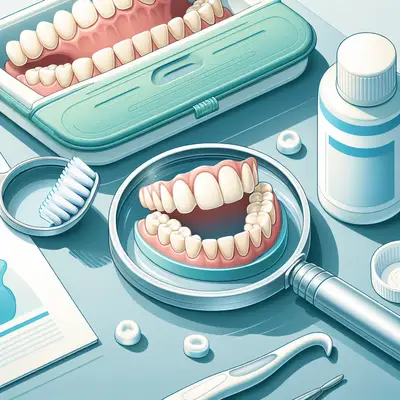
After cleaning—when the surface is free of residue—take a few moments to perform a micro-inspection under good, diffuse light. Gently run a fingertip across the teeth and base: any unexpected roughness, snagging, or sharpness deserves attention. Inspect the edges that meet your gums; subtle changes there can signal early warping or wear. This level of scrutiny allows you to address issues while they are still cosmetic, rather than structural. If you notice consistent dulling of the teeth or persistent micro-stains despite proper cleaning, it may be time for a professional polish or reassessment of your cleaning products to ensure they are effective yet non-abrasive.
Insight 2: Temperature Intelligence – Protecting the Material You Rely On
Sophisticated denture care includes a refined awareness of temperature—both in your cleaning habits and at the table. Acrylics and other denture materials are more sensitive to heat than natural enamel, and repeated exposure to extremes can subtly distort the fit.
Always use lukewarm, never hot, water for rinsing and soaking. Hot water can cause expansion and micro-warping that may not be evident immediately, but will eventually translate into pressure points, sore spots, or looseness. At meals, be mindful of very hot beverages and soups; allow them to cool slightly before sipping. This is not about restriction, but calibration: safeguarding the structural precision of your dentures so they continue to sit comfortably and elegantly. A consistent, temperature-conscious routine can extend your dentures’ lifespan and preserve the alignment that your clinician painstakingly crafted.
Insight 3: Curating a “Gentle Arsenal” of Maintenance Tools
Not all cleaning instruments and products are worthy of contact with your dentures. A premium maintenance approach means curating a small, elevated toolkit instead of a clutter of random products.
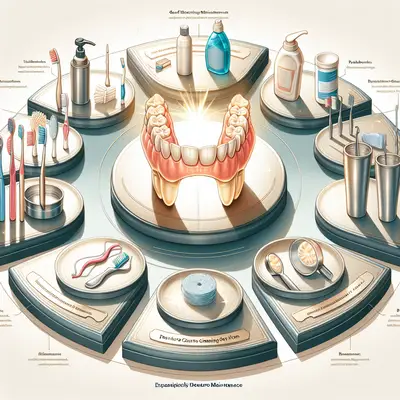
Select a denture brush with soft, densely packed bristles—stiff or “scrubbing” bristles that feel powerful in the hand can be quietly destructive on resin surfaces. Avoid regular toothpaste; most are formulated for natural enamel and contain abrasives that may produce a matte, prematurely aged appearance on dentures. Instead, use cleansers specifically designed for dentures or non-abrasive, mild formulations recommended by your clinician. Keep a lined, rigid case for storage rather than leaving dentures exposed in a glass; a closed case not only looks more discreet on a counter, it also protects from accidental knocks, contaminants, and drying. By investing in a compact yet intentional toolkit, your daily care feels deliberate, efficient, and aligned with a higher standard of personal upkeep.
Insight 4: The Hydration Equation – Caring for Mouth and Material Together
Premium denture maintenance is not solely about the prosthesis—it is equally about the environment that holds it. A well-hydrated oral environment supports comfort, function, and long-term tissue health.
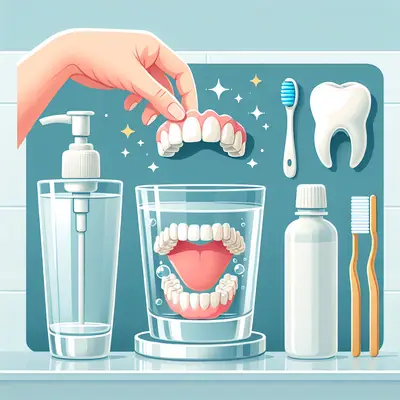
Dry mouth (xerostomia) can lead to friction, irritation, and unstable adhesion, even with well-fitted dentures. Be mindful of factors that exacerbate dryness: certain medications, alcohol-based mouthwashes, and habitual caffeine intake. Consider neutral or alcohol-free rinses and, when appropriate, saliva substitutes or moisturizing gels recommended by your dental professional. At night, most dentures should be removed and soaked in water or a suitable denture solution to prevent warping and biofilm buildup; never store them dry. This dual-hydration approach—supporting both the oral tissues and the denture material—helps maintain a supple, comfortable foundation that feels more natural, more of a piece with the rest of you.
Insight 5: Subtle Professional Touchpoints as Part of Your Calendar
An elevated maintenance strategy doesn’t rely solely on what you do at home. It includes scheduled, discreet professional oversight that prevents small concerns from becoming disruptive.
Instead of waiting for discomfort or visible changes, integrate denture evaluations into your annual or semiannual wellness rhythm, much like eye exams or health screenings. During these visits, your dental professional can assess fit, polish surfaces, check for cracks, and evaluate underlying oral tissues for any signs of irritation or disease. Even if your dentures feel “fine,” microscopic changes in your bone and soft tissue occur over time; proactive adjustments can keep everything feeling seamless and natural. Framing these visits as part of your broader personal care calendar—rather than crisis appointments—supports a quietly impeccable standard of appearance and comfort.
Conclusion
Exceptional denture maintenance is defined less by dramatic interventions and more by consistent, thoughtful refinements. From temperature awareness to micro-inspections, from a curated cleaning toolkit to scheduled professional check-ins, these subtle practices preserve both the integrity of your dentures and the composure with which you wear them. When your routine is intentional and elevated, your dentures cease to be a separate object you manage—they become an integrated, polished part of your daily presence.
Sources
- American College of Prosthodontists – Complete Dentures – Overview of denture care, fit, and maintenance recommendations
- Mayo Clinic – Denture Care: How to Care for Dentures – Practical guidance on cleaning, soaking, and handling dentures
- Cleveland Clinic – Dentures: Types, Care & Maintenance – Detailed explanation of best practices for denture use and longevity
- National Institute of Dental and Craniofacial Research (NIDCR) – Oral Health for Older Adults – Context on oral tissue changes, dry mouth, and professional care needs
- Columbia University College of Dental Medicine – Caring for Your Dentures – Educational resource on safe cleaning methods and avoiding damage
Key Takeaway
The most important thing to remember from this article is that this information can change how you think about Maintenance Tips.