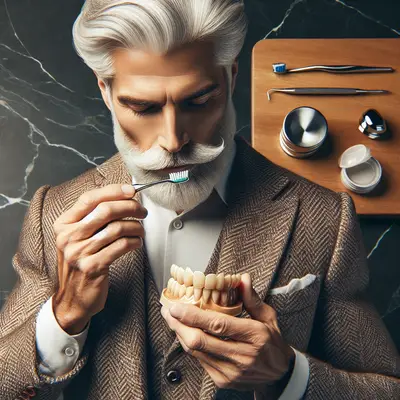
Elegance in appearance rarely announces itself; it is perceived in the small, consistent disciplines that others only glimpse. For denture wearers, oral hygiene is no longer a routine task but an intimate craft—one that protects comfort, preserves aesthetics, and quietly safeguards long‑term health. This is not simply about cleaning a prosthesis; it is about curating an environment where your mouth, your dentures, and your confidence coexist in seamless harmony.
Below, you’ll find a refined approach to oral hygiene with dentures, including five exclusive, elevated insights designed for those who expect more than “good enough” from their daily care.
Reframing Oral Hygiene: Beyond “Clean” to Comfortable, Stable, and Silent
When natural teeth are replaced with dentures, the parameters of “good hygiene” shift in subtle but important ways. You are no longer only preventing cavities; you are preventing sore spots, fungal overgrowth, silent bone loss, and premature wear of your prosthetics. Thoughtful care ensures your dentures remain invisible in social situations—not only visually, but functionally and acoustically.
The goal is threefold: a healthy oral environment, a stable and comfortable fit, and a polished appearance that never draws attention to itself. That means caring for both the prosthesis and the soft tissues beneath it, understanding how saliva, diet, and cleaning agents interact, and respecting that your gums and jawbone are now bearing new responsibilities. A refined routine anticipates issues before they become visible, maintaining not just a smile, but a standard.
The Foundation: Immaculate Denture and Tissue Care
Maintaining exceptional oral hygiene with dentures begins with a clear division of roles: the denture must be meticulously cleaned, and the mouth itself must be deliberately nurtured. Treating only one side of this equation is like polishing a fine shoe while neglecting the leather beneath the surface.
Denture cleansing should always be done over a soft, forgiving surface—such as a folded towel or a basin partially filled with water—to protect against accidental drops. Use a dedicated denture brush and a non‑abrasive denture cleanser; ordinary toothpaste is often too harsh and can create microscopic scratches that harbor bacteria and stains. Nightly removal of dentures allows your tissues to rest and recover from the pressure of the day, while soaking in an appropriate cleanser helps reduce biofilm, odors, and staining.
Equally essential is the care of the gums, tongue, and palate. Once dentures are removed, gently brush these areas with a soft toothbrush or a dedicated ultra‑soft brush to promote circulation, remove debris, and discourage fungal buildup. This dual‑care approach—prosthesis and tissue—creates a healthier biome and a fresher, more comfortable mouth.
Exclusive Insight #1: Curating a “Microclimate” Under the Denture
One often overlooked consideration is the “microclimate” between the denture base and your gums. This sheltered space can become a breeding ground for yeast and bacteria if neglected, even when the visible surfaces look immaculate. The result may be subtle redness, a burning sensation, or a persistent, slightly “stale” feeling, long before visible inflammation appears.
To cultivate a healthier microclimate, consistency is more effective than intensity. Removing your dentures for at least six to eight hours every 24 hours—usually overnight—allows your tissues to oxygenate and rebalance. If your clinician approves, alternating between a standard denture soak and an antifungal‑supporting soak (as recommended by your dentist) may be appropriate if you’re prone to denture stomatitis.
Equally refined is your approach to dryness. Adequate hydration throughout the day, the use of alcohol‑free mouthrinses, and, when advised, saliva‑substitute gels or sprays help maintain a moist but not stagnant environment. This micro‑management of conditions beneath the denture is what elevates care from merely clean to clinically serene.
Exclusive Insight #2: The Polished Finish—Managing Stains Without Eroding Elegance
For many denture wearers, the most visible sign of wear is not fracture or chipping, but gradual discoloration that dulls the overall effect of the smile. Coffee, tea, red wine, spices, and tobacco can all leave their mark. The sophisticated challenge is to preserve brightness without resorting to aggressive or damaging measures.
Avoid whitening toothpastes or harsh scrubbing on dentures; they can abrade the surface and make future staining faster and more stubborn. Instead, consider a two‑tiered approach: daily use of a non‑abrasive denture cleanser, and periodic professional polishing by your dentist or prosthodontist. This professional refinement can restore luster in a way that is both safe and long‑lasting.
For those with a lifestyle rich in staining foods or beverages, a small adjustment—rinsing the mouth with water after consumption and cleaning dentures promptly in the evening—helps break the staining cycle before pigments become embedded. The objective is not an artificial, over‑bright sheen, but a natural, quiet radiance that remains consistent over time.
Exclusive Insight #3: Precision in Adhesive Use—Stability Without Residue
Adhesive, when used thoughtfully, can transform the day‑to‑day experience of wearing dentures—from managing minor movement to enhancing confidence during conversation and dining. Yet many users apply either too much, too little, or the wrong formulation, leading to residue buildup, compromised hygiene, and unnecessary frustration.
A refined adhesive routine begins with a perfectly clean and dry denture and tissues. Apply adhesive in thin, strategic strips or dots as directed by the manufacturer rather than spreading it as a uniform layer. The goal is to achieve controlled, secure contact rather than a “glued” sensation. Excessive adhesive not only feels unpleasant, it can trap food particles and complicate cleaning, subtly degrading hygiene.
Equally important is thorough removal at the end of the day. Use warm water, a soft brush, and, if necessary, a cleanser specifically approved for adhesive removal. Leftover adhesive on the denture base or gums can interfere with the next day’s fit and can contribute, over time, to irritation and microbial buildup. Precision—rather than abundance—is the signature of sophisticated adhesive use.
Exclusive Insight #4: Oral Hygiene as a Safeguard for Long‑Term Bone and Tissue Health
It is tempting to think of dentures as the “end” of dental issues, but in reality they inaugurate a new chapter of long‑term oral stewardship. Even with full dentures, the underlying bone and soft tissues continue to change. Poor hygiene can accelerate these changes, while attentive care helps preserve comfort and fit for as long as possible.
Chronic inflammation under a denture—often from plaque, fungal overgrowth, or ill‑fitting surfaces—can increase the rate of bone resorption, slowly altering the contours of your jaw. The result: looseness, sore spots, and the need for more frequent adjustments or relines. By keeping tissues clean, reviewing fit regularly, and addressing any redness or discomfort early, you create a calmer environment that is kinder to the bone beneath.
Coupling diligent oral hygiene with lifestyle care—such as not smoking, moderating alcohol, maintaining balanced nutrition, and following your dentist’s recall schedule—positions you not as a passive denture wearer, but as an active curator of your long‑term oral architecture. Your hygiene routine becomes part of a larger strategy to preserve structure, not just surface.
Exclusive Insight #5: Designing a Discreet, Sustainable Care Ritual
The most luxurious routines are the ones you can live with effortlessly. Oral hygiene for denture wearers is no exception. An elegant regimen is one that fits seamlessly into your day, remains discreet during travel or social engagements, and can be sustained over years without feeling burdensome.
Begin by segmenting your routine into three calm moments: morning activation, mid‑day discretion (as needed), and evening restoration. Morning might include a gentle rinse, re‑brushing your dentures if desired, and a measured application of adhesive. Mid‑day care may be as simple as a discreet water rinse after meals and a periodic check for comfort. Evening is the time for thorough cleansing, tissue care, and a restful denture‑free interval.
For those with demanding schedules, consider a compact travel kit with a slim case, collapsible brush, and a small supply of your preferred cleanser and adhesive. When oral hygiene is elegantly integrated rather than improvised, it feels less like a chore and more like an extension of personal grooming—quietly reinforcing your standards of self‑presentation wherever you are.
Subtle Warning Signs: When Refined Care Needs Professional Support
Even the most disciplined routine cannot replace professional oversight. The sophistication lies in knowing when to invite expert intervention. Persistent redness or soreness under the denture, small white patches, burning sensations, or a sudden change in fit are all signals that warrant timely evaluation. So too are clicks, shifts, or subtle whistling sounds during speech that appear suddenly after a period of stability.
Regular checkups—often annually, or more frequently if your provider recommends—allow your dentist or prosthodontist to assess tissue health, screen for oral cancer, evaluate bite and occlusion, adjust pressure points, and advise on whether a reline or remake is appropriate. These visits complete the circle: your at‑home care sustains daily comfort, while professional care ensures that the underlying structures and the prosthesis remain in quiet alignment over time.
Conclusion
Truly refined oral hygiene with dentures is not defined by any single product or quick tip. It is the thoughtful interplay between immaculate cleansing, attentive tissue care, subtle management of the space beneath the denture, disciplined adhesive use, and a routine designed for real life. The result is a kind of quiet radiance—breath that feels consistently fresh, dentures that sit with composure, and an ease in conversation and dining that requires no apology and invites no second glance.
In curating a premium standard of care, you are not only protecting your investment in your dentures; you are honoring the comfort, health, and confidence that they make possible each day.
Sources
- American Dental Association – Dentures – Overview of denture types and essential care recommendations
- Mayo Clinic – Dentures: Overview – Explains what dentures are, how they function, and basic maintenance principles
- National Institutes of Health (NIH) – Denture Stomatitis Review – Research discussion of causes, risk factors, and management of inflammation under dentures
- Cleveland Clinic – Dentures – Detailed guidance on living with dentures, care routines, and when to seek professional help
- NHS (UK) – How to Care for Dentures – Practical, evidence‑based advice on cleaning dentures and maintaining oral health
Key Takeaway
The most important thing to remember from this article is that this information can change how you think about Oral Hygiene.