There is a particular confidence that comes from knowing your smile not only looks right, but feels intuitively aligned with how you live. Modern denture types are no longer a one‑size proposition; they are quietly engineered instruments of comfort, aesthetics, and function. The more precisely you understand the available options, the more effortlessly your dentures can disappear into the background of your day—doing their work without demanding your attention.
This guide explores the primary denture types through a refined lens, then offers five exclusive, often-overlooked insights that discerning denture wearers consistently value when pursuing a truly seamless experience.
Understanding the Main Denture Families
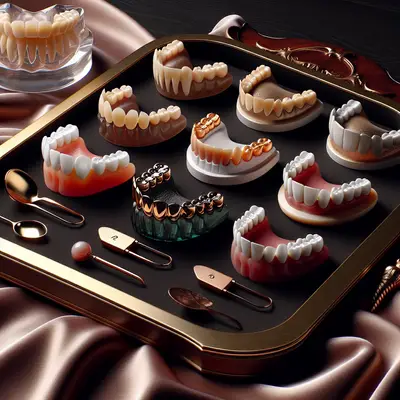
Before delving into nuanced choices, it helps to view dentures in clear categories. Most modern treatment plans draw from one or more of these four families:
1. Conventional full dentures
These are removable prostheses that replace all teeth in the upper or lower arch after any remaining teeth are extracted and the gums have healed. Crafted from acrylic resin (sometimes reinforced with metal), they rest directly on the gums and underlying bone. While they represent a time-honored solution, their fit and stability are profoundly influenced by the shape and health of the jawbone over time, which naturally resorbs after tooth loss.
2. Immediate dentures
Immediate dentures are placed on the same day teeth are removed, providing an uninterrupted smile and basic function from day one. They are particularly appreciated by professionals or socially active individuals who prefer not to navigate a toothless healing period. Because gums and bone remodel significantly after extractions, these dentures usually require relining or replacement once healing stabilizes. They are often a transitional step toward a more definitive appliance.
3. Partial dentures
For those missing some—but not all—teeth, partial dentures bridge the gap between aesthetics, function, and conservation of remaining natural teeth. They typically attach via metal or tooth-colored clasps, or precision attachments integrated into crowns. Beyond restoring appearance, a well-designed partial prevents shifting of remaining teeth and preserves the balance of your bite. Modern partials can be fabricated in lightweight metal frameworks, standard acrylic, or flexible base materials, each with distinct feel and durability.
4. Implant-supported dentures (overdentures and fixed hybrids)
Implant-based solutions introduce a different level of stability. Implants, surgically placed in the jaw, act as anchors. A removable overdenture “snaps” onto them via attachments, or a fixed hybrid bridges is permanently secured to multiple implants and removed only by the dentist. For those who prioritize maximal security, reduced bulk, and improved chewing efficiency, implant-supported options often feel notably closer to natural teeth—especially in the lower jaw, where traditional dentures can be more temperamental.
Understanding which family suits your situation is the first step; tailoring within those families is where the true refinement begins.
Material Matters: How Denture Composition Shapes Daily Comfort
The type of denture you select is only half the story; the material used in the base and teeth subtly influences comfort, longevity, and aesthetics.
Traditional bases are made from acrylic resin. Quality varies, and higher-grade acrylics tend to resist staining, absorb less odor, and maintain their shape longer. Metal-reinforced bases (often cobalt-chromium) can be thinner and more stable, especially in partial dentures, providing a lighter, more “barely there” feel for some wearers.
Tooth materials come primarily in acrylic or porcelain:
- Acrylic teeth are gentler on opposing natural teeth, quieter when you chew, and easier to adjust. They are the most commonly used today.
- Porcelain teeth offer excellent wear resistance and a highly lifelike translucency, but they can be noisier and, on natural teeth, more abrasive. They are usually better suited when opposing teeth are also artificial.
Emerging premium polymers and high-impact acrylics further enhance fracture resistance and color stability. For a refined result, you may wish to discuss not just “a denture,” but the specific acrylic grade, tooth material, and any metal reinforcement—details that influence how confidently your appliance performs over years, not just months.
Precision in Fit: How Different Types Influence Stability
Fit is where denture types make their presence—or absence—felt throughout your day. Several nuanced factors define how steady and natural your dentures will feel:
- Upper vs. lower arches: Upper full dentures generally benefit from palate coverage, harnessing suction for stability. Lower full dentures must contend with tongue movement and a smaller surface area, making precise design and possibly implants especially valuable.
- Ridge anatomy: The height, width, and shape of your residual ridge (the bony foundation) strongly influence how well conventional dentures stay in place. Over time, bone resorption can diminish both fit and comfort.
- Implant assistance: Even as few as two implants in the lower jaw can transform a loose lower denture into a reliably stable overdenture. Additional implants can allow for more streamlined, less bulky designs.
- Partial attachment style: Precision attachments embedded in crowns can deliver a more discreet and secure connection than visible clasps. Flexible partials may adapt well to certain anatomies but may not provide the same long-term support as a carefully designed metal framework.
The most sophisticated denture experiences come from aligning type and design with your anatomy, aesthetic goals, and tolerance for procedures. A thorough evaluation, including imaging and bite analysis, allows your dentist and lab to orchestrate a solution that feels secure without excessive bulk or constant adjustments.
Five Exclusive Insights Discerning Denture Wearers Appreciate
Beyond the basics, experienced denture wearers often discover subtle truths that dramatically improve day-to-day satisfaction. These five insights are rarely emphasized in basic guides but are invaluable when selecting the right denture type.
1. The “Silent Smile Line” Is More Important Than Shade Alone
Many new wearers focus intensely on tooth shade, but sophisticated aesthetics hinge more on the smile line—the relationship between your lip position and the visible portion of the teeth and gums.
With different denture types (especially implant-supported vs. conventional), your clinician can control:
- How much tooth shows when your mouth is at rest
- The degree of gum display when you smile
- The harmony between tooth length, lip fullness, and facial proportions
A refined result avoids both excessive tooth exposure (“toothy” or artificial) and overly concealed teeth (aging, withdrawn appearance). During try-ins, ask to evaluate yourself speaking and smiling in profile and three-quarters view, not just straight on. The right denture type and design allow your smile to look effortless in motion—not only in still photos.
2. Bite Design Can Influence Neck Tension and Facial Fatigue
A denture is not merely a cosmetic device; it re-establishes how your jaws meet. Different prosthetic approaches (full, partial, or implant-supported) enable different levels of control over your bite dynamics.
An imbalanced occlusion—where teeth meet unevenly—can subtly lead to:
- Jaw clenching or shifting while chewing
- Muscle fatigue in the cheeks, temples, and neck
- Tension headaches or a feeling of “tightness” by evening
When considering denture types, especially for full-arch replacement, ask about occlusal schemes (balanced occlusion, lingualized occlusion, etc.) and how they will be tested. Advanced practices may use digital bite analysis or articulators that simulate jaw movement, which can be particularly beneficial for those with a history of TMJ discomfort. The goal is not just functional chewing, but a bite that allows muscles to relax into a natural, sustainable pattern.
3. Palette Coverage Is a Design Choice, Not a Fixed Fate
Full upper dentures traditionally cover the entire palate for suction and stability. However, with the right clinical conditions—often involving implants or optimal anatomy—coverage can sometimes be reduced. This can significantly influence your sensory experience:
- Taste and temperature: Less palatal coverage allows more direct contact with food and drink, enhancing flavor and temperature perception.
- Speech clarity: Some wearers find it easier to articulate certain sounds when the palate is less encumbered.
- Overall comfort: A reduced palatal plate can feel less bulky and more natural, especially for those with strong gag reflexes.
If you value fine wines, subtle flavors, or simply a less-obtrusive feel, you may wish to discuss whether your treatment plan can incorporate a horseshoe-shaped upper design supported by implants or other stability measures. Not everyone is a candidate, but for those who are, the difference can feel quietly transformative.
4. The Transition Strategy Is as Important as the Final Denture Type
The journey to your final denture—particularly if extractions or implants are involved—can be as consequential as the destination. Immediate dentures, temporary partials, and provisional implant prostheses are not just placeholders; they govern how socially and professionally seamless your transition will be.
Consider:
- How many appearance changes you are comfortable with during treatment
- Whether you prefer a single, subtle “reveal” of your new smile or gradual refinement
- How long you can tolerate a more voluminous, transitional appliance while tissues heal
Those who plan strategically often choose a staged approach: an immediate denture designed with aesthetics in mind, followed by a meticulously refined definitive appliance once healing and implant integration are complete. Discussing this roadmap in advance—rather than viewing temporary dentures as an afterthought—results in a more controlled, gracious transition.
5. Maintenance Demands Differ Dramatically Across Denture Types
Not all dentures require the same level—or style—of maintenance. Choosing a type that suits your personal habits and tolerance for meticulous care can be the difference between an appliance that quietly performs and one that feels like a chore.
For example:
- Conventional full dentures: Require daily removal, cleaning, and periodic professional relining. Straightforward but must be kept scrupulously clean to protect oral tissues.
- Metal framework partials: Offer durability but demand careful brushing around clasps and remaining natural teeth to prevent decay and gum disease.
- Flexible partials: Often more comfortable for some, but may be more challenging to adjust or repair; they still require thorough hygiene to prevent fungal buildup.
- Implant-supported overdentures: Provide superior stability but introduce implant-specific maintenance—meticulous cleaning around implant posts, occasional replacement of attachments, and regular professional evaluations.
- Fixed implant hybrids: Minimize daily handling, but cleaning under and around the prosthesis is more technically demanding and absolutely non-negotiable.
An honest conversation about your routine, dexterity, and preferences—morning vs. evening rituals, comfort with interdental brushes or water flossers, and your appetite for regular in-office maintenance—helps ensure your chosen denture type aligns with your real life, not an idealized routine.
Aligning Choice with Lifestyle, Not Just Anatomy
Ultimately, the most successful denture type is not only the one that fits your mouth, but the one that fits your lifestyle, priorities, and sense of self. Two patients with identical clinical conditions may choose entirely different paths: one prioritizing minimally invasive treatment and removable flexibility, another favoring implant-secured permanence and maximal stability.
A refined consultation will consider:
- Your professional and social demands
- Your tolerance for surgical procedures and healing time
- Your preference for removable vs. fixed solutions
- Your long-term expectations for aesthetics, chewing, and maintenance
When these elements are consciously aligned, dentures become less an accommodation and more an integrated part of your daily elegance—reliable, comfortable, and quietly tailored to you.
Conclusion
Modern denture types offer a sophisticated spectrum of possibilities, from classic full and partial appliances to advanced implant-supported solutions. The real artistry lies not only in selecting a category, but in refining materials, fit, smile design, and maintenance expectations so that your prosthesis supports your life with quiet precision.
By looking beyond shade charts and basic terminology—and by embracing nuanced considerations like bite harmony, palate coverage, transition planning, and maintenance style—you position yourself for a result that feels less like a compromise and more like a carefully orchestrated upgrade to your daily comfort and confidence.
Sources
- American College of Prosthodontists – Dentures Overview – Clinical explanations of complete and partial denture options, including indications and care considerations.
- Mayo Clinic – Dentures: Options, Care and Adjustments – General guidance on denture types, what to expect, and long-term management.
- National Institute of Dental and Craniofacial Research (NIDCR) – Tooth Loss and Replacement – Evidence-based information on tooth loss, replacement strategies, and oral health implications.
- Cleveland Clinic – Implant-Supported Dentures – Detailed overview of implant-supported overdentures and fixed options, including benefits and care.
- Harvard Health Publishing – Dental Implants and Alternatives – Comparative discussion of implants, dentures, and bridges, with emphasis on function and long-term outcomes.
Key Takeaway
The most important thing to remember from this article is that this information can change how you think about Denture Types.