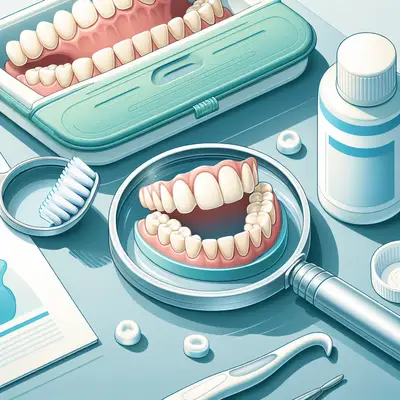
A well-crafted denture is more than a prosthetic—it is an essential part of your presence, your confidence, and the way you move through the world. Maintaining it deserves the same level of finesse you might reserve for a tailored garment or a cherished timepiece. When denture care is handled with quiet precision, the result is not merely cleanliness, but enduring comfort, subtle freshness, and a polished, self-assured smile.
Below, we explore a refined approach to daily maintenance—moving beyond the obvious, and into thoughtful, evidence-informed practices designed for those who value both function and elegance.
The Ideal Daily Rhythm: Timing Your Care for Maximum Comfort
Denture maintenance is not just about what you do, but when you do it. Many wearers focus on morning and bedtime routines, yet the true sophistication lies in how you structure your entire day.
Begin your morning by rinsing your dentures under cool to lukewarm water before placing them in your mouth. This removes any overnight cleanser residue, minimizing irritation and off-tastes. Once inserted, give your mouth a few minutes to acclimate—then gently brush your gums, tongue, and palate with a soft-bristled brush, using a non-abrasive, alcohol-free rinse afterward if desired.
The middle of your day is an opportunity for a quiet reset. After your main meal, discreetly excuse yourself to rinse your dentures with water to remove food particles and reduce biofilm accumulation. This simple interval helps prevent odors and relieves mild pressure points that can develop as the day progresses.
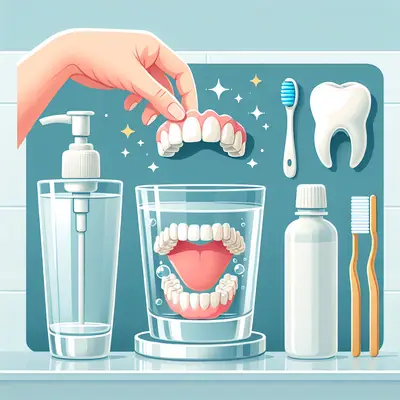
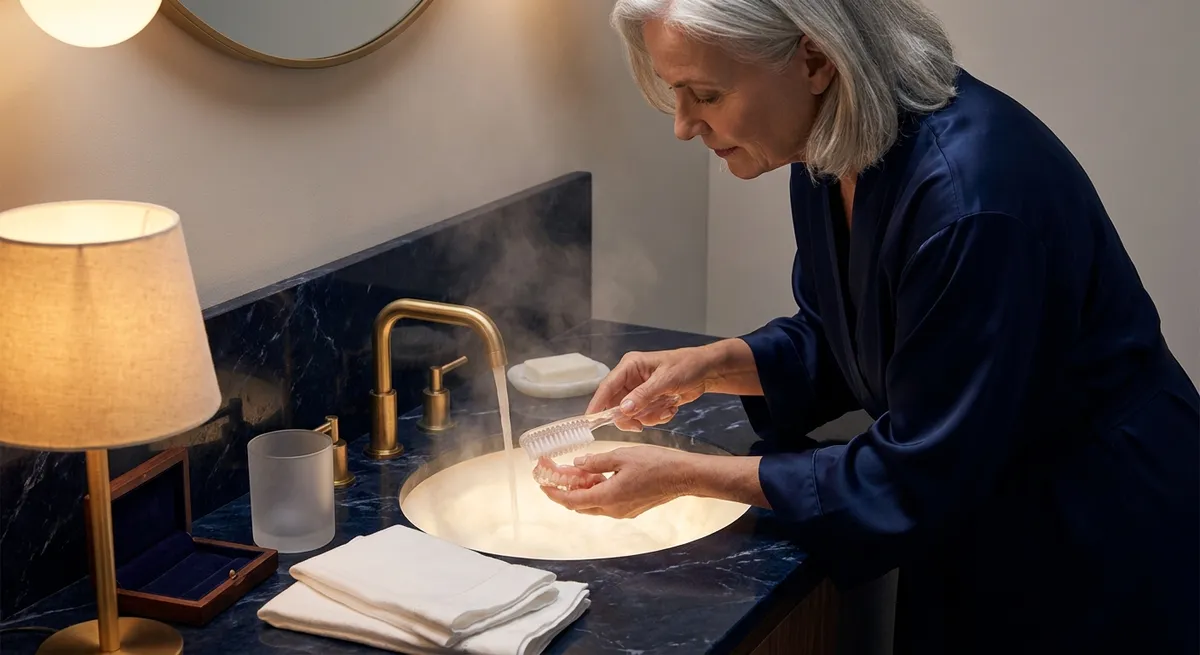
Evening is your restorative phase: this is the time for full removal, thorough brushing with a denture-specific brush and non-abrasive cleanser, and an overnight soak in a recommended solution or plain water (as advised by your dentist). Structuring your day in this way allows your oral tissues to recover, your dentures to remain clean and hydrated, and your comfort to remain consistently high.
Surface Care as Craftsmanship: Treating Dentures Like Fine Materials
Denture materials respond best to the same principles you would use for premium fabrics or delicate finishes: avoid extremes, respect the surface, and use purpose-made products.
Porous acrylic and precision-shaped metal frameworks can be subtly damaged by everyday shortcuts. Hot water can warp the base, while regular toothpastes—often containing abrasives like silica—can create microscopic scratches. These scratches not only dull the appearance but create a more inviting surface for plaque and stain molecules to cling to, resulting in discoloration and odor over time.
Instead, think in terms of preservation. Always:
- Use cool or lukewarm water for rinsing and soaking, unless your dentist advises otherwise.
- Opt for cleansers specifically labeled for dentures or prosthetic appliances.
- Avoid bleach-based household cleaners, which can weaken materials and corrode metal clasps.
- Handle dentures over a soft towel or a basin partially filled with water to prevent fractures if dropped.
Approaching your denture as a finely finished object shifts your mindset from “cleaning” to “curating” its condition—the difference is subtle, but over years, it is the difference between a tired-looking prosthesis and one that remains quietly impeccable.
Five Exclusive Insights for the Discerning Denture Wearer
These nuanced, often overlooked insights are designed for those who want to refine their care beyond the standard advice.
1. Micro-Breaks for Oral Tissues: The 10-Minute Rule
While overnight removal is widely recommended, many wearers benefit from incorporating short “micro-breaks” during the day. Once or twice a day, when convenient, remove your dentures for about 10 minutes, rinse them, and gently massage your gums with a clean fingertip or soft cloth.
This brief interval allows tissues to recover from constant pressure, supports circulation, and may reduce the subtle soreness or fatigue that appears by evening. It’s a small indulgence with outsized benefits for long-term comfort and stability.
2. Temperature Awareness: Protecting Fit and Material Integrity
Many people underestimate the cumulative effects of thermal extremes. Regular exposure to very hot beverages while wearing dentures can gradually affect fit—especially if the prosthesis was already marginally adjusted.
Adopt a simple rule: if it is too hot for your tongue to tolerate comfortably, it is too hot for long-term denture health. Allow hot drinks and soups to cool slightly before sipping. Over months and years, this discretion helps preserve your denture’s shape and ensures that carefully crafted adjustments made by your clinician remain accurate for longer.
3. Scent-Neutral Care: Avoiding Residual Flavors and Odors
Highly fragranced denture cleansers and strong-flavored mouthwashes can leave lingering tastes that interfere with your enjoyment of food and wine. They may also mask, rather than resolve, early signs of fungal overgrowth or bacterial imbalance.
For a more refined experience:
- Choose unscented or mildly scented cleansers when possible.
- Rinse thoroughly after soaking—30 to 60 seconds under running water.
- If you use a mouthwash, select alcohol-free formulations to avoid dryness and tissue irritation.
This scent-neutral approach allows your palate to remain clear, making your meals, beverages, and subtle flavor notes more enjoyable.
4. Polished Storage Practices: A Hygienic Home for Your Dentures
Where your dentures “rest” matters almost as much as how you clean them. Storing them in an open glass by the sink invites dust, bathroom aerosols, and accidental knocks.
Instead, adopt a more elevated system:
- Use a dedicated, lidded container that can be cleaned regularly.
- Change soaking solutions daily; never “top off” old liquid.
- Keep the container away from direct sunlight and heat sources.
- If you travel, invest in a compact, sealable case designed for dentures to maintain hygiene on the move.
Thoughtful storage minimizes microbial contamination and preserves the freshness you’ve worked to achieve during cleaning.
5. The Adjustment Log: A Private Record of Subtle Changes
One of the most sophisticated habits you can adopt is keeping a quiet, concise record of how your dentures feel over time. Rather than waiting until discomfort is severe, note small changes: slight pressure on a new spot, food trapping in a particular area, or early signs of clicking when you speak.
Every few months, bring this log to your dental professional. These observations help your clinician make highly targeted adjustments before minor issues escalate into sore spots, looseness, or fractures. It’s a small, almost invisible practice that can dramatically extend the lifespan and comfort of your dentures.
The Inner Environment: Caring for the Mouth Beneath the Prosthesis
The tissues supporting your dentures are living, responsive, and constantly adapting. Maintenance is not complete unless you care for the foundation as attentively as the prosthesis itself.
Each evening, after removing your dentures, gently brush your gums, tongue, and palate with a soft toothbrush and plain water or a mild non-foaming toothpaste. Pay particular attention to areas where edges of the denture rest. This reduces plaque accumulation, supports circulation, and helps maintain a healthy, pink appearance to the tissues.
If you are prone to dry mouth—common with certain medications, aging, or systemic conditions—speak with your dentist or physician about saliva substitutes, sugar-free lozenges, or adjustments to your routine. Adequate saliva not only supports comfort but also acts as a natural cleanser and buffer, reducing the risk of fungal infections such as denture stomatitis.
For partial denture wearers, remember that the natural teeth anchoring the prosthesis demand meticulous care: daily flossing (or interdental aids) and brushing with fluoride toothpaste are non-negotiable. The longevity of your partial is intimately tied to the health of the teeth that support it.
Aesthetic Longevity: Preserving Color, Freshness, and Confidence
Over time, even high-quality dentures can show subtle changes in color and surface luster. While some staining is expected, refined maintenance can significantly delay visible wear.
Consider moderating highly pigmented foods and drinks—coffee, red wine, black tea, berries—especially if you tend to sip slowly over long periods. When you do indulge, a quick rinse of your mouth and dentures with water afterward is a simple, discreet habit that reduces stain accumulation.
Avoid DIY whitening with household products such as bleach, vinegar, or baking soda. These can damage acrylic, corrode metal, and alter textures, resulting in an appearance that is simultaneously dull and unnaturally opaque. If your dentures are beginning to look tired, ask your dental professional about professional polishing, resurfacing, or, when appropriate, a well-timed replacement.
Your goal is not a glaringly artificial brightness, but a quietly natural, well-kept appearance—consistent with the rest of your grooming choices.
Conclusion
An elegant denture routine is built on the quiet details: water temperature, timing, storage, tissue care, and attentive observation. When these details align, the result is maintenance that feels less like a chore and more like a personal ritual—subtle, deliberate, and deeply supportive of your daily life.
By treating your dentures as you would any finely crafted object—and honoring the living tissues that support them—you secure more than a functional prosthesis. You invest in comfort, confidence, and a smile that feels authentically, effortlessly your own.
Sources
- American Dental Association – Dentures – Overview of denture types, care recommendations, and professional guidance
- Mayo Clinic – Dentures: How to Care for Them – Practical tips on daily cleaning, handling, and when to seek professional help
- Cleveland Clinic – Dentures – Detailed discussion of denture use, maintenance, and common issues
- National Institutes of Health (NIH) – Denture Stomatitis Overview – Clinical information on causes, prevention, and management of denture-related oral infections
- University of Rochester Medical Center – Denture Care – Patient-focused guidance on cleaning routines, storage, and oral tissue health
Key Takeaway
The most important thing to remember from this article is that this information can change how you think about Maintenance Tips.