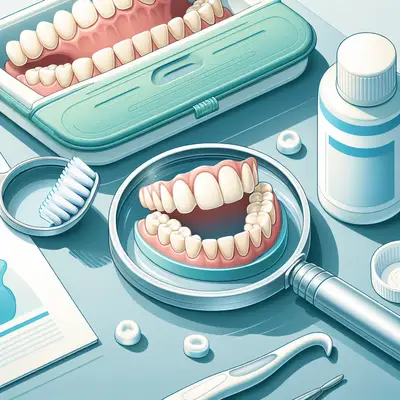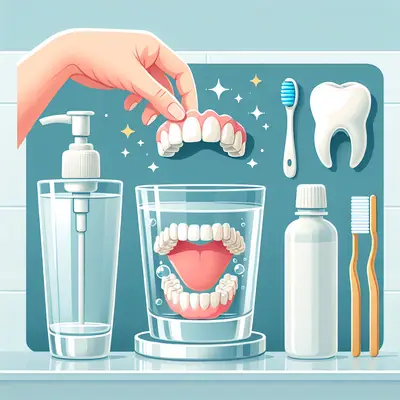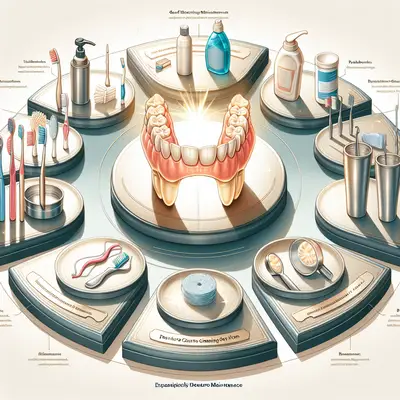
A beautifully crafted denture deserves more than basic care; it merits a maintenance ritual that preserves its elegance, comfort, and quiet confidence over time. Beyond the standard advice to “clean daily” and “soak overnight,” there is an elevated level of attention that keeps dentures looking pristine and feeling almost imperceptible in daily life. This refined approach transforms routine upkeep into a discreet investment in your long-term comfort, oral health, and aesthetic poise.
Below, you’ll find a sophisticated framework for denture maintenance—plus five exclusive insights that discerning denture wearers often discover only after years of experience.
Elevating the Basics: A Maintenance Mindset, Not a Chore
Treating denture care as a ritual rather than a task changes how you move through it. Instead of rushing, you adopt a measured, almost spa-like approach: calm, precise, and intentional.
Begin by grounding your routine in two simple principles: consistency and gentleness. Consistency ensures that plaque, staining, and microscopic wear never gain the upper hand. Gentleness protects the fine contours, polished surfaces, and delicate pink base that simulate natural gum tissue. A soft-bristled brush (designed specifically for dentures), lukewarm water, and a non-abrasive denture cleanser form the foundation of this elevated practice.
Establishing a regular rhythm—morning refresh, evening cleanse, and a weekly “deep-care” check—helps prevent the subtle changes that, over time, compromise fit and appearance. You’re not just preserving a prosthesis; you’re maintaining a key element of your personal presentation.
Exclusive Insight #1: Temperature Control as a Hidden Protector
Many denture wearers underestimate how profoundly temperature can influence the longevity and stability of their appliance. Acrylic and certain flexible materials expand and contract in response to temperature shifts, and repeated exposure to extremes can subtly alter the fit.
Avoid very hot water—not only when cleaning, but also when rinsing after meals or soaking overnight. Water that’s comfortable to your hand is usually safe; water that feels “piping hot” is not. Over time, high heat can lead to slight warping, which can translate into pressure points, small sore spots, or an increasingly “loose” feeling.
If you soak your dentures in a cleansing solution, ensure it is at room temperature, and avoid placing dentures near radiators, hairdryers, or in direct sunlight on a windowsill. This quiet attention to temperature helps maintain the precise shape your dentist carefully achieved during fitting.
Exclusive Insight #2: Micro-Polishing Through Brushing Technique
It’s not only what you use but how you use it. Denture surfaces that are gently “micro-polished” with correct brushing technique resist plaque build-up and staining more effectively, maintaining their refined sheen.
Use small, circular motions with a soft-bristled denture brush, moving methodically from one section to the next, rather than scrubbing back and forth. This circular approach mimics professional polishing, encouraging a smoother, less porous-feeling surface where biofilm struggles to adhere.
Pay extra attention to:
- The junction where the teeth meet the pink acrylic base
- The tissue-facing (inside) surface, where plaque often hides unseen
- Areas near the corners of the mouth, where stains can creep in subtly
Avoid regular whitening toothpastes—they often contain abrasives suited to natural enamel, not acrylic or resin. Over time, they can create microscopic scratches that attract more staining, dulling the sophisticated finish of your denture.
Exclusive Insight #3: The “Dry Interval” for a Healthier Oral Environment
While overnight soaking is crucial for hygiene and material stability, strategically incorporating short “dry intervals” during the day can be beneficial for both the denture and the tissues that support it.
For instance, after your main evening clean, allow the denture to rest on a clean, dry surface for 10–15 minutes before placing it back into the soaking solution. This brief exposure to air can help reduce persistent surface moisture, making it less hospitable for certain microorganisms and allowing your cleaning agents to work more effectively when soaking.
Similarly, if your dentist confirms that your oral tissues are healthy, consider a brief “gums-only” period each day—perhaps while reading or relaxing at home. Remove your dentures and gently massage your gums and palate with a soft, damp cloth or a super-soft toothbrush. This improves circulation, allows tissues to breathe, and reduces the constant pressure that can accelerate bone resorption over many years.
Exclusive Insight #4: Curating a Care “Capsule Kit” for Seamless Days Out
Sophisticated maintenance does not end at your bathroom mirror. Having a discreet, well-curated care kit ensures that your dentures remain immaculate even during long days away from home.
A premium yet compact kit might include:
- A slim, ventilated denture case with a secure closure
- Single-use, non-abrasive denture cleansing wipes or pads
- A travel-sized, soft denture brush with a protective cap
- Small packets or tablets of denture cleansing solution
- A mirror no larger than a compact, for subtle checks
This kit allows you to freshen your dentures elegantly after a long lunch, coffee meeting, or evening event. Instead of a hurried rinse in a public restroom, you can execute a brief but thorough refresh that maintains both comfort and polish—without drawing attention.
Exclusive Insight #5: The Annual “Surface Audit” with Your Dentist
Many denture wearers focus primarily on fit, but overlook how the denture’s surface ages under daily use. Over months and years, micro-wear, tiny scratches, and minuscule chips can change how the denture interacts with light, food, and soft tissues.
Scheduling an annual “surface audit” with your dentist or prosthodontist is a subtle yet powerful way to protect your investment. During this visit, you can request:
- A professional clean and polish specifically tailored to your denture material
- An assessment of any early signs of wear, staining, or hairline fractures
- A review of whether your current cleansers and tools are appropriate
- Guidance on whether a professional relining or rebasing is needed to maintain fit
This proactive approach helps you avoid the slow, almost imperceptible decline that leads to frustration: teeth that seem slightly more stained, a base that feels mildly rough, or edges that no longer feel as seamless against your cheek and tongue. Instead, your denture remains refined and well-balanced, year after year.
Integrating Comfort, Aesthetics, and Longevity
Elegant denture maintenance is about integration—bringing together comfort, hygiene, and appearance into one coherent ritual. Rather than simply “keeping the denture clean,” you’re curating an environment in which the appliance, your gums, and your overall oral health are all in harmony.
Mindful temperature control preserves structure. Micro-polishing through proper brushing maintains a lustrous finish. Thoughtful “dry intervals” and professional surface audits support long-term tissue health and appliance integrity. And a discreet, travel-ready care kit ensures that your standards never slip, no matter where the day takes you.
In this way, denture maintenance becomes more than routine: it becomes a quiet expression of self-respect—an understated luxury you experience every time you smile, speak, and dine with complete confidence.
Sources
- American Dental Association – Dentures – Overview of denture types, care basics, and professional guidance
- Mayo Clinic – Dentures: How to Care for Them – Practical recommendations on cleaning, handling, and dental follow-up
- Cleveland Clinic – Dentures – Detailed explanation of denture care, fit, and maintenance considerations
- National Institutes of Health (NIH) – Denture Plaque & Hygiene Study – Research on denture plaque, hygiene practices, and oral health implications
- University of Iowa College of Dentistry – Care of Dentures – Educational resource on best practices for cleaning, storage, and professional follow-up
Key Takeaway
The most important thing to remember from this article is that this information can change how you think about Maintenance Tips.