Denture care, at its most refined, is less about rigid rules and more about cultivated habits. A beautifully crafted prosthesis is an investment in comfort, confidence, and aesthetics—but its longevity depends on a level of maintenance that goes beyond the standard advice to “brush and soak.” This guide explores a more elevated approach: discreet, intelligent practices that preserve fit, finish, and function, while integrating effortlessly into a polished daily routine.
Rethinking “Clean”: Curating a Gentle Care Environment
The difference between ordinary and exceptional denture maintenance often lies in what you don’t use. Many common household products are surprisingly harsh on modern denture materials, quietly accelerating wear, warping shape, or clouding surfaces over time.
Instead of improvised cleansers, think of your denture routine as a curated environment:
- Avoid abrasive toothpastes, whitening pastes, and baking soda blends, which can scratch acrylic and resin, creating microscopic grooves that trap bacteria and stains.
- Steer clear of very hot water; prolonged exposure can subtly distort the base, undermining fit and comfort.
- Limit contact with mouthwashes containing high concentrations of alcohol, which may dry oral tissues and irritate delicate mucosa.
- Choose a soft-bristled denture brush or ultra-soft toothbrush dedicated exclusively to prosthesis care, maintaining it as you would a precision tool.
By refining the “ecosystem” around your dentures, you preserve the clarity of the material, the precision of the fit, and the understated elegance of a natural-looking smile.
The Midnight Standard: A Thoughtful Nighttime Ritual
Nighttime is when sophisticated denture care quietly does its best work. Rather than simply dropping dentures into a random soak, consider your evening routine as a restorative ritual for both prosthesis and oral tissues.
A refined nighttime standard might include:
- Removing dentures for sleep (as most clinicians recommend) to allow the soft tissues to rest, reduce fungal overgrowth, and lower the risk of inflammation or bone resorption.
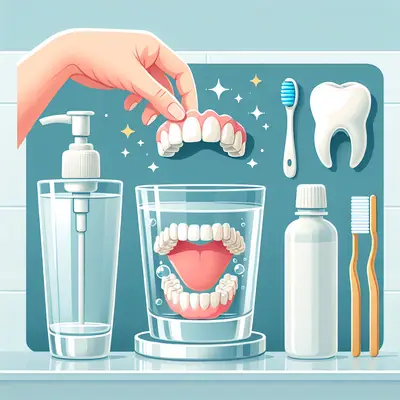
- Brushing dentures gently to remove plaque and debris before soaking—cleansers work best on a clean surface.
- Using a non-abrasive denture cleanser or mild solution according to manufacturer instructions, avoiding over-concentrated mixtures or extended soaking times that can degrade metal components or discolor materials.
- Gently brushing the tongue, palate, and ridges where dentures sit, then rinsing thoroughly to reduce the microbial load in the mouth.
- Allowing dentures to rest in clean, fresh water if a cleanser is not used, ensuring they never dry out.
This deliberate approach safeguards not just the prosthesis but the long-term health of the tissues that support it—discreet, preventative care that pays dividends in comfort and longevity.
Precision in Fit: Tiny Adjustments, Major Comfort
A truly elevated denture experience hinges on fit—and fit is dynamic, not static. Bone and soft tissues evolve subtly over time, which means even the most meticulously crafted denture may need periodic refinement.
Cultivated wearers pay close attention to early, quiet signs that adjustment is needed:
- A whisper of movement when speaking or eating that wasn’t there before.
- Mild rubbing, redness, or small sore spots that recur in the same area.
- Food consistently collecting under the denture in a particular region.
- Slight changes in speech clarity or a subtle shift in how the jaws come together.
Instead of resorting to thick over-the-counter liners or repeated at-home modifications, a more sophisticated approach is to treat professional adjustments as part of ongoing maintenance. A brief appointment to smooth a pressure point, refine an edge, or discuss the timing of a reline can elongate the comfortable life of your existing denture and prevent more advanced tissue irritation.
This philosophy treats denture care less as “repair when broken” and more as “precision tuning”—a quiet, continuous calibration that preserves both comfort and aesthetic alignment.
The Palate Protocol: Protecting Taste, Speech, and Confidence
One often-overlooked dimension of denture maintenance is the way your prosthesis interacts with the palate, tongue, and overall sensory experience. Subtle changes here can influence taste perception, speech clarity, and even your enjoyment of food and social interaction.
A more refined palate protocol might include:
- Keeping the palate portion of upper dentures meticulously clean, as biofilm here can dull taste and contribute to bad breath.
- Being attentive to any new coating, burning, or altered sensation on the palate or tongue—these may hint at oral thrush, ill-fitting surfaces, or reaction to cleansers.
- Discussing with your dentist whether minor design refinements (e.g., thinning certain areas during a reline or remake) could enhance speech or comfort without sacrificing stability.
- Rinsing with water after acidic wines, sparkling water, citrus, or highly seasoned foods to minimize irritation of uncovered areas and support a neutral oral environment.
This level of awareness moves beyond basic hygiene into sensory stewardship—protecting the nuance of taste, the clarity of speech, and the understated confidence that comes from knowing your prosthesis supports, rather than competes with, your lifestyle.
Discreet Longevity: Small Habits That Quietly Extend Denture Life
Some of the most powerful maintenance strategies are almost invisible from the outside, but meaningful over months and years. These small, deliberate choices gently protect structural integrity, appearance, and long-term performance.
Consider integrating these understated longevity habits:
- Handle dentures over a folded towel or basin of water to minimize breakage risk if they slip.
- Remove dentures before using at-home whitening strips or strong peroxide-based products intended for natural teeth; chemical overspray can affect denture materials.
- Avoid using teeth—natural or prosthetic—as tools for opening packages, cracking nuts, or chewing ice, all of which can stress the acrylic and teeth.
- Maintain a stable, well-balanced diet that supports bone and soft tissue health; systemic well-being quietly supports better denture fit over time.
- Schedule regular checkups even when everything feels “fine,” allowing your dentist to detect hairline fractures, worn teeth, or subtle tissue changes before they become noticeable problems.
These habits reflect a shift in mindset: from viewing dentures as static objects to appreciating them as precision appliances that respond best to consistent, thoughtful care. The result is not only a more reliable prosthesis, but also a daily experience that feels composed, controlled, and distinctly elevated.
Conclusion
Refined denture maintenance is ultimately about alignment—between your prosthesis, your oral tissues, and your lifestyle. By cultivating gentle care environments, dignified nighttime rituals, precision-driven fit adjustments, attentive palate care, and discreet longevity habits, you transform denture wear from something merely functional into something quietly luxurious.
Such an approach does not demand elaborate routines, only intentional ones. Over time, these subtle, sophisticated practices preserve the integrity of your investment, the grace of your smile, and the ease with which you move through each day.
Sources
- American College of Prosthodontists – Caring for Your Dentures – Professional guidance on cleaning, handling, and routine maintenance for dentures.
- Mayo Clinic – Dentures: How to Care for Them – Overview of best practices for daily cleaning, overnight care, and fit checks.
- Cleveland Clinic – Dentures: Types, Care & Maintenance – Detailed explanation of denture care, adjustments, and when to seek professional evaluation.
- National Institute of Dental and Craniofacial Research (NIDCR) – Oral Health for Older Adults – Evidence-based insights on oral health considerations, including prosthetic care, in aging populations.
- Columbia University College of Dental Medicine – Complete & Partial Dentures – Academic perspective on denture function, fit, and follow-up care.
Key Takeaway
The most important thing to remember from this article is that this information can change how you think about Maintenance Tips.