The most exquisite denture care rarely looks dramatic. It is quiet, precise, and almost invisible—reflected not in flashy products, but in the small, consistent rituals you repeat every day. For discerning denture wearers, maintenance is less about “getting by” and more about preserving a polished, natural, and comfortable presence. Below, you’ll find refined, practice-based insights that move beyond generic advice—five exclusive, detail‑oriented habits that elevate your daily routine from functional to truly exceptional.
Precision Hydration: Protecting the Fit Before It Fails
Sophisticated denture care begins long before visible problems appear. One of the most underrated influences on denture comfort and stability is hydration—both of your body and your oral tissues.
When you’re even mildly dehydrated, your salivary flow can decrease. Saliva is the invisible “cushion” that helps your denture glide, seal, and feel natural. Inadequate saliva can mean increased friction, sore spots, and a denture that suddenly feels “too big” or unstable.
A refined maintenance approach includes:
- Maintaining consistent hydration throughout the day rather than “catching up” at night
- Watching for subtle signs of dry mouth: stringy saliva, bad breath, burning tongue, or needing water to swallow
- Minimizing excessive caffeine, alcohol, and tobacco, all of which can dry the mouth
- Asking your dentist about saliva substitutes or prescription options if dryness is persistent
For partial or full denture wearers, this is less about a water bottle habit and more about preserving the oral environment your prosthesis depends on. A well-hydrated mouth allows the denture to perform as designed—quietly and comfortably.
The 24-Hour Care Cycle: Treating Your Dentures Like Fine Craftsmanship
Denture maintenance is most effective when viewed as a 24‑hour cycle rather than a morning-and-night chore. Premium prosthetics—like luxury eyewear or a bespoke watch—respond best to consistent, low‑stress handling.
Consider structuring your day around these discreet touchpoints:
Morning
Rinse your dentures and mouth first, then gently brush your gums, palate, and tongue with a soft toothbrush. This wakes up the tissues and removes plaque that can irritate the denture base. Only then clean your denture and apply any adhesive if your dentist recommends one.
Midday
If possible, do a quick rinse after meals, even if it’s just with water. This removes food particles that can create odor or pressure points. A small, elegant travel case with a vented compartment allows you to discreetly rinse and store if you need to remove them.
Evening
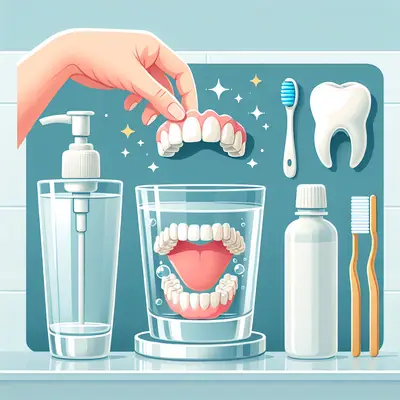
Thorough cleaning is non‑negotiable: a soft brush, non‑abrasive denture paste or cleanser (never regular toothpaste), and careful attention to the inner surface that contacts your gums. Follow by an overnight soak in a product recommended by your dentist or one bearing an ADA Seal of Acceptance, and never in hot or boiling water, which can warp the material.
Night
Giving your tissues a break overnight is a hallmark of elevated care. Removing your dentures while you sleep supports blood flow, tissue recovery, and long‑term fit—subtle, but impactful over years.
This 24‑hour perspective transforms maintenance into a rhythm: light, precise, and sustainable.
Micro-Inspection as a Daily Ritual: Catching Problems Before They Announce Themselves
Those who maintain the most flawless results are often those who notice the smallest changes first. With dentures, this means a brief, deliberate inspection every day—not just to see if they’re “clean,” but to track their condition over time.
In practice, that looks like:
- Checking the surface for fine scratches, dullness, or tiny chips—the places where bacteria and stains cling most easily
- Running a clean fingertip along the edges to feel for roughness, sharp spots, or new irregularities
- Looking closely at clasps (for partials) to detect early loosening or bending
- Examining the gum-contacting surface for discoloration, residual adhesive, or residue in the microscopic pores
Pair this with an equally intentional look at your gums and oral tissues in a mirror:
- Redness or shiny, overly smooth areas can indicate friction or mild inflammation
- Pale marks or sore spots may signal that the denture is pressing unevenly
- Persistent changes lasting more than two weeks warrant a professional evaluation
This micro-inspection takes less than a minute but functions as your early‑warning system. Elegant denture wear is less about never having issues and more about responding before they become visible or uncomfortable.
Calibrated Cleansing: Balancing Sterility, Aesthetics, and Longevity
Harsh cleaning is the enemy of refined results. The aim is not simply “disinfection at all costs,” but a careful balance: keeping dentures fresh and hygienic while preserving their structure, color, and fit.
Elevated cleansing strategy involves:
- Choosing cleansers specifically labeled for dentures—ideally those vetted by your dental professional or carrying an ADA Seal of Acceptance
- Avoiding abrasive powders, regular toothpaste, baking soda scrubs, or hard-bristled brushes, all of which can create micro-scratches that attract more stain
- Steering clear of household disinfectants like bleach or vinegar unless specifically instructed by a dental professional for a particular scenario
- Rinsing thoroughly after soaking to remove cleanser residue that can irritate tissues
- Using cool or lukewarm water only; heat can distort the resin or acrylic, altering the fit
Additionally, consider once‑or‑twice‑weekly “elevated care” sessions: a slightly longer soak, extra‑attentive brushing of intricate areas, and a careful check for early calculus (hardened debris) at the edges or around metal components.
The result is cleanliness that feels almost effortless—not because you are doing less, but because you are doing the right things gently and consistently.
Partnership With Your Dentist: Using Professional Visits as Strategic Tune-Ups
Truly exquisite denture maintenance is never a solo pursuit. The most discerning wearers regard their dentist not as an emergency resource, but as an ongoing partner in fine‑tuning fit, aesthetics, and oral health.
Transform regular visits into strategic tune‑ups by:
- Scheduling checkups at the interval your dentist recommends (often once or twice a year, more if you’re prone to sore spots or have medical conditions affecting the mouth)
- Bringing a short list of observations: subtle looseness, minor clicking when you speak, or a change in how your bite feels—all clues your dentist can use
- Requesting periodic professional cleaning of the denture itself, especially for long‑standing stains, calculus buildup, or odor issues
- Asking your dentist to evaluate your oral tissues for early signs of irritation, fungal infections (like denture stomatitis), or suspicious lesions
- Discussing when a reline, adjustment, or remake might be appropriate as your jawbone and gums naturally change shape over time
This ongoing calibration helps you avoid the common pattern of “sudden” discomfort after years of gradual, unnoticed change. By treating each visit as preventive refinement, you ensure your dentures remain aligned with your overall standard of appearance and comfort.
Conclusion
Elegant denture maintenance is less about dramatic interventions and more about immaculate consistency in the details: protecting hydration, honoring a 24‑hour care cycle, practicing daily micro‑inspection, cleansing with precision, and partnering intelligently with your dentist. These quiet habits safeguard not just the lifespan of your dentures, but the ease, confidence, and natural grace with which you wear them.
When your care rituals are thoughtfully designed and faithfully maintained, your dentures cease to be an object you manage—and become an invisible, seamless part of a polished daily life.
Sources
- American Dental Association – Dentures – Overview of denture types, care basics, and professional recommendations
- Mayo Clinic – Dry Mouth (Xerostomia) – Explains causes and management of dry mouth, a key factor in denture comfort and fit
- National Institute of Dental and Craniofacial Research – Oral Health in Older Adults – Discusses common oral health issues in older adults, including denture-related considerations
- Cleveland Clinic – Dentures: Types, Care & Maintenance – Detailed guidance on cleaning, handling, and long-term maintenance of dentures
- Colgate Oral Care Center – Caring for Your Dentures – Practical advice on daily cleaning routines and best practices for denture wearers
Key Takeaway
The most important thing to remember from this article is that this information can change how you think about Maintenance Tips.