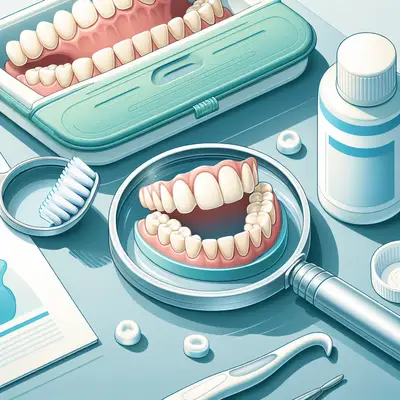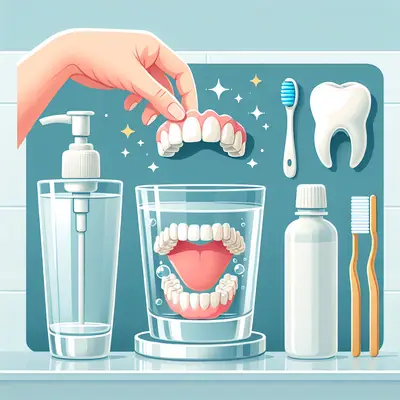
Caring for dentures is not merely a matter of hygiene; it is a daily ritual that preserves the quiet luxury of a well-kept smile. When thoughtfully maintained, dentures can look natural, feel comfortable, and age gracefully alongside you. Beyond the standard advice to clean and soak, there are refined habits and nuanced techniques that elevate your routine from basic upkeep to exceptional care. The following guide explores sophisticated maintenance strategies and five exclusive insights that discerning denture wearers can adopt to keep their prosthetics—and the oral tissues beneath them—in impeccable condition.
Elevating Your Cleaning Ritual: Precision Over Scrubbing
A sophisticated denture care routine prioritizes precision rather than force. Instead of brisk, aggressive brushing, think in terms of controlled, deliberate movements that respect the materials and the fine contours of your prosthesis. Use a soft-bristled brush specifically designed for dentures, applying light pressure in circular motions to preserve surface integrity and prevent micro-scratches that can harbor bacteria and stain over time.
Selecting a non-abrasive denture cleanser, rather than regular toothpaste, is essential; many standard toothpastes contain abrasive particles formulated for natural enamel, which is harder than denture acrylic or porcelain. Opt for lukewarm—not hot—water when rinsing and cleaning, as excessive heat can alter the shape of the denture base and compromise fit. Finish each cleaning session by carefully inspecting clasps, borders, and palatal or lingual surfaces under good lighting, ensuring no residue remains in subtle creases. This meticulous yet gentle approach preserves clarity, smoothness, and comfort long after the initial fitting.
Protecting the Foundation: Caring for Gums, Bone, and Oral Tissues
Premium denture care is as much about the mouth beneath the prosthesis as the prosthesis itself. Even with full dentures, the gums and supporting bone remain dynamic structures that change over time. Neglecting them can accelerate bone resorption and lead to looseness, pressure spots, and premature need for relining.
After removing your dentures each evening, take a moment to massage your gums gently with a clean fingertip or a very soft toothbrush. This simple habit stimulates circulation and can help maintain tissue resilience. Rinse with an alcohol-free antimicrobial mouthwash or a warm saltwater solution to keep the soft tissues calm and balanced, avoiding overly harsh formulas that may dry or irritate delicate mucosa.
If you still have natural teeth supporting partial dentures, elevate your home care accordingly: interdental brushes, floss threaders, or water flossers can help protect anchor teeth from decay and periodontal issues. A stable foundation of healthy tissue and teeth is the quiet engine behind a comfortable, long-lasting denture.
Exclusive Insight #1: “Bare-Gum Intervals”
Plan short, deliberate “bare-gum intervals” during the day—10 to 20 minutes without dentures when convenient and private. This allows the tissues to breathe, reduces continuous pressure, and gives you a daily window to examine the gums for redness, ulceration, or subtle changes before they become genuine problems.
Mastering the Night: Smart Soaking with Intention
Nighttime care is when your dentures and oral tissues recover from the demands of the day. Simply dropping dentures in a cup of solution is functional; refining that process transforms it into a protective ritual. Begin by thoroughly rinsing and brushing your dentures to remove all visible debris before soaking. Placing unclean dentures directly into solution only dilutes the disinfecting effect.
Choose a soaking product that is compatible with your type of denture and any metal components. Effervescent tablets designed for dentures can help disrupt biofilm, but they should be used according to the manufacturer’s instructions—resist the urge to exceed recommended times, as prolonged exposure may affect certain materials. Use fresh solution each night rather than reusing liquid from previous soaks.
Equally important is how you store your dentures: a clean, closed container keeps them safe from dust, household contaminants, and accidental damage. Fill the container fully so every surface remains submerged; exposure to air can dry the material and contribute to warping or surface changes over time. If your dental professional has indicated that occasional overnight wear is appropriate for your case, maintain a separate, consistent routine for tissue care to avoid continuous pressure without respite.
Exclusive Insight #2: “Temperature-Controlled Soaking”
Keep your soaking routine at a consistent, moderate water temperature—cool to lukewarm. Extreme fluctuations (very hot or very cold water) over many months may subtly influence the stability of some acrylics, particularly when combined with cleansers. A stable temperature environment is a quiet safeguard for long-term fit.
Precision Fit: Monitoring Subtle Changes Before Discomfort Appears
Dentures that fit beautifully on day one will not remain unchanged. Bone and gum tissues remodel naturally, even in the absence of pain. The refined approach is to monitor and respond to these changes early, rather than waiting until soreness or slippage becomes impossible to ignore.
Pay attention to the smallest signals: a faint clicking sound when speaking, food suddenly collecting beneath the denture in familiar meals, or the need for just a bit more adhesive than usual. These are early markers that the internal surface may no longer match your anatomy perfectly. Rather than compensating indefinitely with extra adhesive, schedule an evaluation; a professional reline or adjustment can restore harmony between the denture and the tissues, preserving comfort and function.
Use mirrors—not only to assess aesthetics, but also to observe symmetry in how the dentures rest when your jaw is at ease. Subtle changes in how your lips close, the way your cheeks rest, or minor shifts in your bite can all be early warnings. Documenting these changes with periodic photos can give you and your clinician a clear, visual reference over time.
Exclusive Insight #3: “Quarterly Fit Check Ritual”
Every three months, perform a quiet “fit check” at home:
- Eat a familiar, moderately textured meal (e.g., lightly toasted bread, steamed vegetables).
- Pay attention to any new rocking, pressure points, or food traps.
- Speak aloud for a few minutes—reading a passage or practicing tongue-twisters—and note any new clicks, lisping, or shifting.
Keep a brief written or digital record of your observations. This simple log can transform routine appointments into targeted, highly effective adjustments.
Gentle Mastery of Adhesives: Enhancing Stability Without Dependence
For many wearers, denture adhesives can provide a welcome sense of security. The sophisticated goal is to use them as a refinement, not a crutch. Begin with the smallest effective amount: thin, strategically placed strips or dots rather than a thick, continuous layer. Over-application can compromise hygiene, affect taste, and make removal unnecessarily difficult.
Always apply adhesive to a clean, dry denture, and place it onto freshly rinsed gums. If adhesive consistently squeezes out at the borders, you are likely using too much or compensating for an emerging fit problem. In such cases, the solution is evaluation and possible adjustment, not ever-increasing adhesive.
At night, be meticulous about removing residual adhesive from both the denture and the tissues. A soft brush, warm water, and patience are preferable to overly aggressive scraping, which can irritate gums or damage the base. If your schedule allows, consider having “adhesive-free days” at home, when you rely solely on the mechanical fit of the denture; this is an effective way to track whether your reliance on adhesive is increasing and to note any evolving issues.
Exclusive Insight #4: “Adhesive Audit”
Choose one day each month to perform an “adhesive audit.” Measure the quantity you apply (for example, using a small marked dish or noting the number and length of strips). Compare it to previous months. A gradual increase is often the earliest, most objective sign that your dentures need a professional reassessment, even if you are not yet in pain.
Discreet Protection in Daily Life: Travel, Dining, and Active Living
A truly refined maintenance strategy extends beyond the bathroom counter and adapts gracefully to real life—business travel, social dining, and active pursuits. Preparing with intention allows you to protect your dentures discreetly while maintaining a polished presence.
When traveling, carry a compact denture care kit: a ventilated case, travel-size soft brush, pre-measured cleanser tablets, and a small, clearly labeled container for soaking. In hotels or guest spaces, avoid leaving dentures in paper cups, on towels, or near sinks where they can be knocked to the floor. Treat them as you would an elegant personal accessory: stored safely, handled thoughtfully, never left at risk.
At restaurants, choose textures that align with your current chewing confidence, especially when meeting new colleagues or attending formal events. Cutting food into smaller, elegant bites is both discreet and practical. Avoid using your dentures as tools—no opening packages, cracking shells, or biting on extremely hard items. During sports or vigorous activities, speak with your dental professional about whether a custom mouthguard or particular precautions are advisable.
Exclusive Insight #5: “Evening Recalibration”
On days with intense social or professional demands—long meetings, travel, or extended dining—take a few quiet moments at home in the evening to “recalibrate” your dentures. Remove, rinse, and inspect them, then gently massage your gums and assess for any tender areas brought on by the day’s activities. This rapid check allows you to detect new pressure points early and request minor adjustments before they escalate.
Conclusion
Thoughtful denture maintenance is less about rigid rules and more about cultivating an attentive, consistent relationship with your smile. By elevating daily cleaning into a precise ritual, prioritizing the health of the tissues beneath, mastering nighttime care, monitoring fit with intention, and bringing discreet protection into your everyday life, you create the conditions for dentures that remain comfortable, attractive, and dependable for years. These exclusive, detail-oriented practices embody a quiet standard of excellence—where your dentures do not draw attention, but your confidence most certainly does.
Sources
- American Dental Association – Dentures – Overview of denture types, care basics, and professional guidance on maintenance.
- Mayo Clinic – Dentures: How to Care for Them – Expert answers on daily cleaning, soaking, and handling to reduce damage and infection risk.
- Cleveland Clinic – Dentures – Detailed explanation of denture fitting, adjustments, and long-term management considerations.
- Colgate Oral Care Center – Denture Care: Cleaning, Fit and Maintenance – Practical advice on cleaning routines, adhesives, and recognizing fit problems.
- National Institute of Dental and Craniofacial Research (NIDCR) – Oral Health for Older Adults – Evidence-based information on oral health changes with age, including considerations relevant to denture wearers.
Key Takeaway
The most important thing to remember from this article is that this information can change how you think about Maintenance Tips.