Your dentures are more than a prosthetic; they are a crafted extension of your presence. When cared for with intention, they can deliver years of quiet confidence—no clicking, no cloudiness, no trace of artifice. This is not about basic hygiene; it is about refined maintenance rituals that protect both the prosthesis and the natural tissues that support it.
Below, you’ll find elevated, expert-informed practices, including five exclusive insights that discerning denture wearers often learn only through experience—or from an attentive clinician.
Elevating the Foundation: The Oral Tissues Beneath the Denture
Every exquisite denture depends on the health of the tissues underneath. Ignoring your gums, palate, and any remaining teeth is one of the most common and costly maintenance mistakes.
A daily ritual should include gently brushing your gums, tongue, and palate with a soft toothbrush or a dedicated ultra‑soft brush. This removes plaque, stimulates circulation, and helps maintain a comfortable, resilient foundation. If you have natural teeth, impeccable brushing and interdental cleaning are non‑negotiable, as any infection in the mouth can destabilize your denture fit over time.
Rinse with a non‑alcohol, denture‑friendly mouthwash to help manage bacteria without drying or irritating the tissues. Regular professional checkups remain essential—even if all your teeth are replaced. Your dentist will assess fit, identify early pressure spots, and monitor bone and soft‑tissue changes that can quietly undermine comfort and stability.
Exclusive Insight #1: Treat your gums and palate as “living support structures.”
Apply a warm, damp cloth compress along the ridges for a few minutes before bed once or twice a week. This simple, spa‑like ritual can soothe minor tenderness, support healthy blood flow, and make wearing your dentures more comfortable the next day.
Intelligent Cleaning: A Care Routine That Preserves Surface Beauty
Elegant dentures deserve more than a quick scrub at the sink. Their acrylic and, in some cases, porcelain or composite components respond best to gentle, methodical care.
Always remove and rinse your dentures after meals to eliminate food particles that can attract bacteria and stain. For the main daily clean, use a soft denture brush and a non‑abrasive denture cleanser specifically designed for removable prosthetics. Regular toothpaste—especially whitening varieties—can be surprisingly abrasive and gradually dull the gloss of the acrylic, creating a surface that stains more easily.
Clean over a basin filled with water or a folded towel to protect against accidental drops. Pay attention to the underside of the denture; plaque buildup here is a frequent source of irritation and odor. Nightly soaking in a recommended effervescent cleaner helps dissolve deposits that brushing alone may miss.
Exclusive Insight #2: Rotate your cleansers like a curated skincare routine.
Alternate between your standard denture cleaning tablet and a specialized product designed for tough stains or calculus, as advised by your dentist. This calibrated rotation can minimize buildup while preserving the luster and integrity of the material over time.
The Overnight Ritual: Resting Dentures, Resting Tissues
While all‑day wear is expected, true longevity and comfort come from allowing your mouth to rest. Sleeping with dentures in place can trap bacteria, encourage fungal overgrowth, and increase the risk of sore spots and bone resorption.
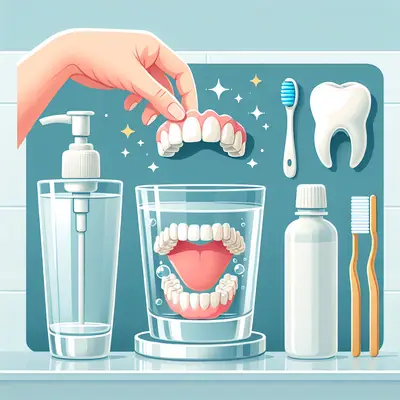
In most cases, removing dentures at night is considered the gold standard. Place them in a dedicated storage case or glass vessel filled with cool or lukewarm water and a cleansing solution recommended by your clinician. This prevents warping and drying while the tissues recover. Always rinse thoroughly in clean water before reinserting them in the morning.
If you must wear dentures at night—for example, for certain sleep apnea appliances or short‑term social reasons—make your daytime cleaning especially meticulous and discuss this habit with your dentist. They may suggest more frequent professional cleanings or periodic antifungal measures.
Exclusive Insight #3: Introduce a “bare‑gum interval” each day, even if brief.
Set aside at least 30–60 minutes daily (often in the evening) when you are at home and comfortable without your dentures. This intentional break lets the tissues breathe, may reduce inflammation, and can dramatically improve long‑term comfort and fit.
Adhesives, Fit, and Micro‑Adjustments: Quiet Control Over Stability
Denture adhesives, when used strategically, can transform day‑to‑day comfort—yet overreliance often signals a fit that needs professional adjustment. A well‑made denture should feel reasonably secure without extensive adhesive. When you do use it, opt for a thin, even layer rather than heavy application.
Follow the manufacturer’s quantity recommendations carefully; excess adhesive can ooze, trap food, and complicate cleaning. If you notice that you’re gradually increasing the amount needed, treat this as valuable feedback, not just a nuisance. Bone and soft tissues naturally remodel over time, and periodic relining or remaking may be required to maintain refinement in fit and function.
Exclusive Insight #4: Maintain a discreet “fit log” on your phone or in a notebook.
Note days when chewing feels less stable, when you apply more adhesive than usual, or when you experience minor sore spots. Over weeks and months, this log becomes a powerful tool for your dentist to fine‑tune adjustments before small issues become major discomforts.
Protecting Against Stains, Odors, and Microscopic Wear
Lifestyle choices can subtly influence how your dentures age. Dark beverages such as coffee, tea, and red wine, as well as tobacco use, are well‑known contributors to staining and odor. While you need not eliminate them entirely, mindful habits make a tangible difference.
Rinsing your mouth and, when practical, your dentures with water after consuming staining foods or drinks helps significantly. Scheduling a gentle, professional denture polish at regular intervals (often annually or as advised) can restore brilliance that home care alone cannot achieve.
Avoid hot water for cleaning—a common misstep that can distort the acrylic over time. Similarly, keep dentures away from harsh chemicals such as bleach solutions not explicitly recommended for dental use. These can weaken the structure and compromise both appearance and longevity.
Exclusive Insight #5: Curate a “travel protocol” to guard against careless moments.
Prepare a compact travel kit with a dedicated case, soft brush, small bottle of cleanser, and a backup adhesive. Many cracks, warps, and stains occur away from home—during hotel stays, flights, or social events—when makeshift containers or improper cleaning agents are used. A refined, ready‑to‑go kit protects your investment wherever you are.
Conclusion
Truly exceptional denture maintenance is less about complicated procedures and more about thoughtful consistency. By caring for the living tissues beneath your denture, cleaning with intelligence, honoring nightly rest, monitoring fit with intention, and protecting against stains and wear, you elevate your prosthetic from a mere appliance to a quietly luxurious part of your daily life.
These refined habits not only safeguard your smile’s appearance but also preserve comfort, confidence, and dignity—day after day, year after year. With a carefully curated routine and a trusted dental professional by your side, your dentures can remain as poised and polished as the person who wears them.
Sources
- American Dental Association – Dentures - Overview of denture types, care recommendations, and professional guidance
- Mayo Clinic – Dentures: How to Care for Them - Practical guidance on cleaning, storage, and maintenance of dentures
- Cleveland Clinic – Dentures - Detailed explanation of denture use, fit, and follow‑up care
- National Institute of Dental and Craniofacial Research (NIDCR) – Oral Health for Older Adults - Context on oral health considerations, including prosthetic use, in later life
- Columbia University College of Dental Medicine – Dentures and Partial Dentures - Academic perspective on denture treatment, adjustments, and long‑term care
Key Takeaway
The most important thing to remember from this article is that this information can change how you think about Maintenance Tips.