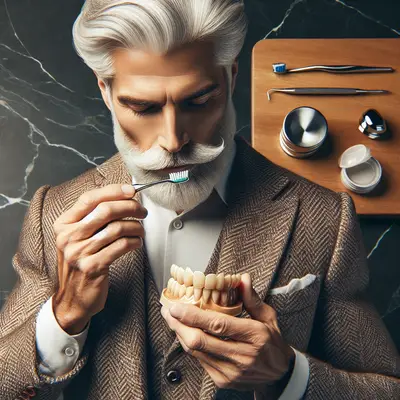
A refined smile is never accidental. For denture wearers, immaculate oral hygiene is less a chore and more an intimate ritual—one that safeguards comfort, confidence, and long-term oral health. Beyond simple cleaning, a sophisticated approach considers the subtleties: how materials age, how tissues respond, and how small daily decisions influence the grace with which you speak, dine, and smile.
This guide explores an elevated oral hygiene philosophy tailored specifically for denture wearers, including five exclusive insights that often go unspoken in routine dental advice but make a tangible difference in how your dentures look, feel, and perform.
Rethinking “Clean”: Hygiene as Daily Preservation, Not Just Routine
For denture wearers, “clean” is a layered concept. It extends far beyond removing visible stains or food particles. True hygiene includes safeguarding the delicate balance of your oral microbiome, preserving the integrity of denture materials, and caring for the soft tissues that support your prosthesis.
A premium approach recognizes that your dentures are not simply tools for chewing; they are carefully engineered surfaces that constantly interact with saliva, temperature changes, and bacteria. This interplay is why a hurried scrub at the sink cannot compare with a curated routine that combines mechanical cleansing, chemical disinfection, and tissue care.
Elevated oral hygiene also means understanding that natural teeth and dentures age differently. While enamel can withstand certain abrasions, acrylic and porcelain prosthetic materials can scratch, dull, and become more plaque-retentive if treated roughly. The goal is not just to clean, but to maintain the original refinement and finish of your dentures as long as possible.
The Foundation: Meticulous Daily Denture Care, Refined
Thoughtful daily care need not be complicated, but it must be deliberate. The essentials are:
- Remove and rinse your dentures after every meal to clear food debris and reduce odor-causing bacteria.
- Clean them once daily with a soft-bristle brush and a non-abrasive denture cleanser—never regular toothpaste, which is often too abrasive for acrylic.
- Soak dentures overnight in a recommended soaking solution to allow chemical disinfection while the oral tissues rest.
- Rinse thoroughly before placing them back in your mouth, especially after using any cleaning solution that is not designed for intraoral use.
Where refinement comes in is how you perform these steps. Use lukewarm water to avoid warping the denture base. Hold the denture over a soft towel or a basin partially filled with water to protect it in case of accidental drops. Pay special attention to the fit surfaces (the parts that contact the gums and palate), as these areas harbor the most plaque and yeast.
By treating cleaning time as a ritual of preservation rather than a perfunctory task, you reinforce not just hygiene, but also the longevity and elegance of your prosthesis.
Exclusive Insight 1: Your Gums Are “Living Infrastructure”—Care for Them Like Skin
Many denture wearers become so focused on the prosthesis that they neglect the tissues beneath it. Yet your gums and palate function like the “living infrastructure” of your smile, and they require care akin to fine skincare.
After removing your dentures, gently brush your gums, tongue, and palate with a soft toothbrush or a dedicated ultra-soft brush. This massage increases circulation, removes plaque biofilm, and reduces the risk of sore spots and infections. For those with particularly delicate tissues, a clean, damp, soft cloth can be used for gentle wiping.
Consider this a nightly “reset” for your oral tissues. Just as high-quality skincare prepares the face to receive treatments, thoughtful gum care prepares your mouth to better tolerate and support your dentures the next day. Over time, this can help minimize irritation, improve comfort, and promote healthier, more resilient tissues.
Exclusive Insight 2: Precision Timing—Why Your Soak Duration Matters
Soaking dentures overnight is commonly recommended, but discerning wearers benefit from understanding the nuance of timing. Leaving dentures perpetually in solution or soaking them inconsistently can influence both hygiene and material integrity.
Adhering to the timeframe recommended by your dentist or the cleansing product manufacturer is essential. Over-soaking in strong solutions can, in some cases, accelerate fading of pink acrylic or damage metal clasps in partial dentures. Under-soaking, on the other hand, may fail to adequately disrupt mature biofilm or reduce microbial load.
Refinement lies in consistency: remove your dentures for at least six to eight hours every 24 hours to allow tissue rest, and match your soaking duration to evidence-based guidelines (often overnight). This thoughtful timing supports both the health of your mouth and the aesthetics of your prosthesis over the long term.
Exclusive Insight 3: The Polished Palette—Managing Taste and Texture Elegantly
An often-overlooked dimension of oral hygiene with dentures is how it affects taste and mouthfeel. Residual cleansing solution, plaque film, or calculus deposits can subtly dull flavors and create an unwelcome “coating” sensation.
To maintain a refined palate:
- Rinse dentures meticulously after soaking, using cool or lukewarm running water.
- Brush the tongue daily; the tongue holds a considerable amount of taste-altering bacteria and debris.
- If you notice a persistent film or “roughness” on your denture surfaces, schedule a professional cleaning. Hardened deposits cannot be safely removed at home without risking scratches.
This focus on the sensory aspect of hygiene ensures that your enjoyment of food and drink remains as elevated as your smile’s appearance. In many ways, a clean denture is not just visually pristine—it is texturally invisible.
Exclusive Insight 4: Curating Your Cleaning Products Like a Skincare Regimen
Just as discerning individuals research ingredients in skincare or haircare, denture wearers benefit from curating their cleaning products. Not every “whitening” or “extra-strength” product is appropriate for your specific denture material.
Consult your dentist about the ideal pairing of cleanser and prosthesis. For example:
- Some products may be too harsh for dentures with soft liners or attachments.
- Chlorine-based solutions can corrode metal components in partial dentures.
- Abrasive powders can create micro-scratches that make dentures more prone to staining and plaque adhesion.
Think of your denture cleanser, brush, and soaking solution as a coordinated care collection. Each product should protect, not merely cleanse. Investing in appropriate, high-quality materials is a discreet yet powerful way to preserve both the integrity and the quiet luxury of your smile.
Exclusive Insight 5: Professional “Spa Days” for Your Dentures and Tissues
Elite oral hygiene for denture wearers does not end at home. Regular professional visits function as “spa days” for both your prosthesis and your oral tissues—moments where subtle issues are identified before they evolve into discomfort or visible problems.
During these visits, a dentist or prosthodontist can:
- Professionally clean your dentures to remove calculus, stains, and biofilm.
- Evaluate the fit and make minor adjustments to prevent sore spots and uneven pressure.
- Assess the health of your gums, tongue, and palate, screening for irritation, fungal infections, or signs of oral cancer.
- Verify that your hygiene routine and products still align with your evolving oral condition.
For most wearers, a visit every six to twelve months is recommended, though complex cases may benefit from more frequent evaluations. This rhythm of care ensures that your daily rituals are supported by expert oversight, allowing you to maintain a standard of hygiene that is both clinically sound and aesthetically impeccable.
Integrating Oral Hygiene into a Refined Lifestyle
For the discerning denture wearer, oral hygiene is not an isolated obligation; it is woven into a broader philosophy of self-care and presentation. A seamless routine might look like this:
- Morning: Rinse and brush dentures, clean your gums and tongue, and apply any dentist-recommended products for dry mouth or tissue comfort.
- Throughout the day: Rinse after meals, discreetly ensuring no debris or odors compromise your presence in professional or social settings.
- Evening: Thorough brushing of dentures and tissues, a carefully timed soak, and a quiet moment to inspect your prosthesis for any changes in fit, color, or surface texture.
When approached with intention, these moments become less about “maintenance” and more about honoring the investment you have made in your smile. The result is a level of comfort and confidence that feels effortless—because it is underpinned by meticulous, thoughtful care.
Conclusion
A truly distinguished smile is not defined solely by the dentures themselves, but by the caliber of care behind them. By elevating your oral hygiene routine—from nurturing your gums as living infrastructure to timing your soaks precisely, curating your products, and embracing professional “spa days”—you create a quietly powerful standard of oral wellness.
For denture wearers who value refinement, oral hygiene is where luxury and discipline meet. In these small, consistent rituals, your dentures are preserved, your tissues protected, and your confidence assured—day after day, smile after smile.
Sources
- American Dental Association – Dentures - Overview of denture types, care recommendations, and maintenance guidance from the ADA
- Mayo Clinic – Dentures: Common Questions - Practical insights on living with dentures, including care tips and adjustment expectations
- Cleveland Clinic – Dentures: Types, Care & Complications - Detailed discussion of denture care, cleaning routines, and when to seek professional help
- National Institute of Dental and Craniofacial Research – Oral Health in Older Adults - Evidence-based information on oral health challenges and needs in older adults, including prosthetic use
- Colgate Oral Care Center – Denture Care Guide - Consumer-friendly advice on daily denture cleaning, soaking, and product selection
Key Takeaway
The most important thing to remember from this article is that this information can change how you think about Oral Hygiene.