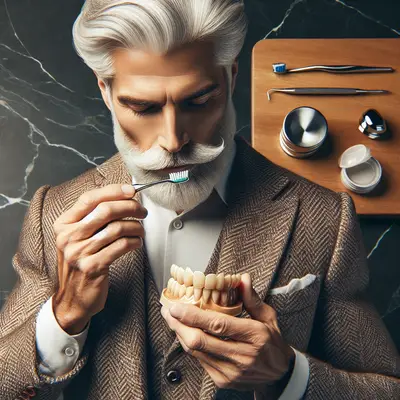
A refined smile is never an accident—it is the result of deliberate choices, thoughtful rituals, and a respect for the quiet details that others rarely see. For denture wearers, oral hygiene is no longer just about brushing and rinsing; it becomes a curated practice that preserves comfort, confidence, and the subtle elegance of a well-kept smile.
This guide explores oral hygiene through a more elevated lens, revealing five exclusive insights that sophisticated denture wearers can integrate into their daily routine to protect both their investment and their poise.
Rethinking “Clean”: Why Dentures Demand a Different Standard
Caring for dentures is not a simple extension of natural-tooth routines. Denture materials—typically acrylic resins and sometimes metal frameworks—respond differently to temperature, pressure, and chemicals than natural enamel. A standard whitening toothpaste, for example, may be perfectly suitable for natural teeth yet microscopically scratch a denture surface, making it more prone to staining and plaque.
This distinction matters because plaque and biofilm do not just collect on “real” teeth; they also cling to dentures, oral tissues, and any remaining natural teeth. Left unaddressed, this can lead to denture stomatitis (inflammation of the tissue under your dentures), unpleasant odors, and even systemic consequences for overall health. Elevating your oral hygiene as a denture wearer means treating your prosthetic not as an accessory, but as an integral part of your health—and your personal presentation.
The Foundation: Immaculate Tissue Care Beneath the Denture
An elegant denture routine begins where most people never look: the tissue beneath the prosthesis. Healthy gums and oral mucosa are the foundation of a secure, comfortable fit—and their care deserves the same meticulous attention as a high-end skincare regimen.
Gently massaging the gums and palate with a soft, damp cloth or an ultra-soft toothbrush stimulates blood flow, helps remove residual plaque, and supports tissue resilience. For many, this simple step significantly reduces soreness and irritation over time. Incorporating an alcohol-free, antimicrobial mouthrinse can further reduce bacterial load without the drying effect that can aggravate already delicate oral tissues.
Equally important is allowing your mouth to “breathe.” Removing dentures overnight is not a mere suggestion; it is a protective ritual. This overnight break reduces the risk of fungal overgrowth—particularly Candida—which is strongly associated with wearing dentures continuously. A well-rested mouth tends to adapt better to your dentures, feels fresher, and demonstrates fewer pressure points or inflamed areas during the day.
Five Exclusive Insights: Subtle Enhancements for Elevated Oral Hygiene
Beyond the essentials, discerning denture wearers can benefit from a more nuanced approach—small refinements that deliver outsized returns in comfort, appearance, and longevity.
1. Temperature as a Tool: Protecting Fit and Finish
Excess heat can subtly distort denture acrylic over time, even if warping is not immediately visible. Instead of rinsing with hot water (a common but risky habit), adopt a rule of tepid temperatures for everything that touches your denture: cleaning solutions, rinses, and water. This protects against micro-changes in fit that lead to rubbing, sore spots, and an increased need for adjustments.
When enjoying hot beverages, consider letting the first sip cool slightly and avoid prolonged “soaking” of your dentures in very hot liquids. This does not mean avoiding coffee or tea—it simply means being mindful of extremes. Small temperature courtesies preserve both the structural integrity and the fine surface polish that keeps your dentures looking refined rather than dull and tired.
2. Textural Strategy: Choosing the Right Brush for Every Surface
Not all brushes are created equal, and sophisticated denture care recognizes this. A well-curated oral care “wardrobe” typically includes three distinct tools:
- A dedicated denture brush (or soft multipurpose brush) for the prosthesis
- An ultra-soft toothbrush for any natural teeth and gumline
- A supplemental tool (such as an interdental brush or floss threader) for bridges, implants, or retained roots if present
Selecting soft or extra-soft bristles for the denture surface prevents microscopic scratches that trap pigment from wine, tea, berries, or tobacco. Pairing this with a non-abrasive denture cleanser—not regular toothpaste—creates a gentle yet thorough cleaning ritual. This distinction preserves clarity, luster, and a more natural translucency in the denture teeth and acrylic, helping the prosthesis maintain a refined, not “artificial,” appearance over time.
3. The Quiet Power of Saliva: Protecting Comfort and Freshness
Saliva is an understated ally in oral health, and dentures can disrupt its natural dynamics. Reduced saliva flow or mouth dryness (often due to medications, dehydration, or age) can cause friction, sores, and persistent odor. Addressing this proactively is a hallmark of elevated denture care.
Beyond staying well-hydrated, sophisticated wearers often incorporate discreet saliva-supporting strategies: sugar-free lozenges or xylitol-containing gums (if their dentist approves chewing with their particular denture), specialized dry-mouth rinses, or gels designed to keep oral tissues moist. By preserving a healthy salivary environment, you not only reduce irritation but also support the mouth’s natural cleansing and buffering functions—quietly enhancing comfort and confidence throughout the day.
4. Targeted Biofilm Control: Not Just on the Denture
Many denture wearers focus intently on the prosthesis and overlook the rest of the oral environment. A nuanced approach recognizes that the tongue, cheeks, palate, and any remaining teeth harbor bacteria and fungi that can recolonize even the most carefully cleaned denture.
Incorporate a gentle tongue-cleaning step into your routine, using a tongue scraper or soft brush to remove coating and odor-causing bacteria. For partial denture wearers, fastidious cleaning of natural teeth—particularly around clasp areas—is essential to prevent decay, gum disease, and loosening of anchoring teeth. An antiseptic or antimicrobial mouthrinse, chosen with your dentist’s guidance, can serve as a final “polishing touch,” reducing microbial load and supporting a fresher, more balanced oral environment.
5. Seasonal and Lifestyle Adjustments: A Dynamic Hygiene Plan
Truly elevated care adapts to context. Your oral hygiene as a denture wearer should shift subtly with your lifestyle, seasons, and health changes.
During periods of illness, stress, or medication changes, the risk of fungal infections, tissue irritation, and dry mouth often increases. This is the time to temporarily heighten your routine: more frequent rinsing with an antimicrobial solution, more diligent overnight soaking, and prompt professional evaluation if redness or soreness appears.
Travel may call for a refined “capsule” denture-care kit—compact but complete, with a ventilated storage case, travel-sized cleanser, soft brush, and a small bottle of alcohol-free rinse. Even minor details, such as never wrapping dentures in tissue (to avoid accidental disposal) and always transporting them in a protective case, reflect a level of care aligned with a premium, considered lifestyle.
Professional Partnership: Elevating Maintenance Beyond the Home
No at-home ritual, however meticulous, replaces the expertise of a dental professional. Regular visits—not merely when something feels wrong—are central to preserving an ideal fit, healthy tissues, and a discreet, natural-looking result.
Your clinician can professionally clean your dentures, polish away stubborn stains, check for microscopic cracks, and assess the oral tissues underneath. They can also evaluate whether your bite has shifted, your bone has resorbed, or your dentures require relining or replacement. Subtle changes, when addressed early, prevent discomfort and visible wear that can quietly age your smile.
Equally valuable is the opportunity to refine your protocol: discussing new products, tailoring solutions for dry mouth or sensitivity, and reassessing your routine as your health and lifestyle evolve. Think of these appointments not as repairs, but as ongoing curation of a smile that matches the standard you hold for the rest of your life.
Conclusion
For the discerning denture wearer, oral hygiene transcends basic cleanliness. It becomes a quiet practice of stewardship—a series of intentional, refined gestures that honor both function and aesthetics. By caring for the tissues beneath the prosthesis, respecting the materials from which it is crafted, supporting the natural role of saliva, and collaborating with your dental team, you preserve far more than a set of teeth.
You preserve ease in conversation, confidence in close proximity, and the understated luxury of a smile that feels as impeccable as it looks.
Sources
- American Dental Association – Dentures – Overview of denture types and fundamental care recommendations
- Mayo Clinic – Dentures: How to Care for Them – Practical guidance on cleaning, handling, and maintaining dentures
- Cleveland Clinic – Dry Mouth (Xerostomia) – Detailed discussion of causes, symptoms, and management of dry mouth, highly relevant to denture comfort
- National Institute of Dental and Craniofacial Research – Oral Health in Older Adults – Evidence-based insights on oral health challenges and care in older populations, including denture wearers
- Colgate Oral Care Center – Denture Stomatitis – Explanation of inflammation beneath dentures, its causes, and prevention strategies
Key Takeaway
The most important thing to remember from this article is that this information can change how you think about Oral Hygiene.