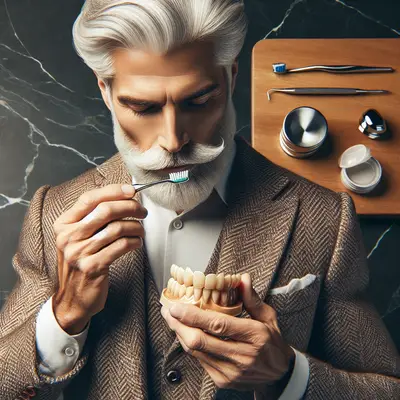
There is a particular kind of confidence that comes from knowing your smile is impeccably cared for—quiet, understated, and unmistakably polished. For denture wearers, oral hygiene is no longer just about brushing and rinsing; it is about curating a refined ritual that protects your investment, preserves your comfort, and elevates your daily experience. This is oral care as a form of self-respect, not merely routine.
Below, you’ll find a sophisticated approach to oral hygiene with dentures, including five exclusive insights that discerning wearers rarely hear in a typical dental chair conversation.
Reframing Oral Hygiene: Beyond “Clean” to Curated Comfort
Oral hygiene with dentures is often reduced to simple instructions: soak, brush, rinse. Yet for those who value details, the goal is not only cleanliness—it is long-term comfort, elegance of appearance, and control over the subtle nuances of breath, fit, and feel.
Even with complete dentures, your mouth is a living environment: the gums reshape, saliva composition changes, and the microbiome evolves. Treating your oral care as a curated ritual—rather than a checklist—means you anticipate these shifts instead of being surprised by them. This includes not only the dentures themselves, but the tissues beneath, the tongue, the cheeks, and the overall harmony of your bite.
A refined approach starts with awareness: how your dentures feel in the morning versus evening, how your mouth responds to different temperatures of water or types of cleansers, and how your tissues respond to a day of wear. This attentiveness lets you adjust your hygiene routine with precision, rather than relying on generic, one-size-fits-all advice.
The Foundation: Pristine Denture and Tissue Care
Denture hygiene has two equal priorities: the prosthesis and the mouth that supports it. Both deserve meticulous, but gentle, care.
Remove your dentures at least once every 24 hours for a full cleaning and to allow your oral tissues to rest. Most people benefit from removing them overnight, but your dentist can help you tailor this schedule. Use a soft denture brush (or an ultra-soft toothbrush) and a non-abrasive denture cleanser. Regular toothpaste is often too abrasive for acrylic and may create microscopic scratches that harbor plaque and stain.
Equally important is cleaning your mouth itself. Gently brush your gums, tongue, and palate with a soft toothbrush or a moistened, soft cloth. This removes plaque, stimulates circulation, and reduces the risk of denture stomatitis—a common inflammation caused by yeast overgrowth and poor hygiene.
Think of your denture soak as an overnight spa for your appliance: room-temperature water paired with a reputable effervescent denture cleanser, unless your dentist prescribes a specific antimicrobial product. Always rinse thoroughly before placing the denture back into your mouth to avoid irritation from residual cleanser.
Exclusive Insight #1: The “Invisible Plaque” Under Your Dentures
One of the most overlooked aspects of denture hygiene is the biofilm that forms on the tissue side of the denture—especially in the palate and ridge areas where the appliance meets your gums. It is easy to assume that because the denture looks clean on the outside, it is fully clean; but microbial buildup is often concentrated on the inner surface you rarely examine closely.
This “invisible plaque” can contribute to bad breath, irritation, and fungal infections even when the denture appears visually pristine. To address it:
- Pay deliberate attention to the inner surface when brushing your dentures, not just the teeth.
- Use good lighting and inspect the tissue side regularly for any cloudy film or color changes.
- If your dentist approves, occasionally use an antimicrobial rinse (such as a chlorhexidine product, when prescribed) for your mouth, while continuing to keep such solutions away from long, repeated denture soaking to avoid surface damage.
- Schedule professional denture cleaning and polishing at your dental office, especially if you notice persistent film or staining despite home care.
This subtle but powerful shift—prioritizing the unseen surfaces—can dramatically improve freshness and comfort.
Exclusive Insight #2: Temperature as a Tool, Not an Afterthought
Most care instructions simply warn: “Do not use hot water.” But a more refined approach recognizes water temperature as a tool you can use strategically.
Warm (not hot) water can gently soften and loosen accumulated debris on the denture surface, making brushing more effective without increasing abrasion. Conversely, cooler water may feel more soothing on sensitive or inflamed tissues when rinsing your mouth.
Key considerations:
- Always avoid hot or boiling water; excessive heat can warp acrylic dentures and compromise fit.
- When brushing, use lukewarm water to enhance cleansing while preserving material integrity.
- For sore spots or tissue irritation, cool (not icy) rinses can calm the area and reduce mild swelling.
- When using salt-water rinses—often recommended after adjustments or sore spots—ensure the water is slightly warm for comfort and optimal dissolution of the salt.
Temperature control is a quiet, elegant way to enhance comfort and effectiveness without introducing more products into your routine.
Exclusive Insight #3: The Strategic Use of Denture Adhesives
For many wearers, denture adhesives are treated as a last resort or, conversely, overused as a crutch. A premium approach sees adhesives as strategic tools—supportive, but never dominant.
A well-made and well-fitted denture should not rely on large amounts of adhesive to stay in place. However, selected, minimal use of a high-quality product can:
- Enhance confidence for social events, long meetings, or dining out.
- Cushion minor irregularities in the underlying gums when immediate adjustment is not possible.
- Provide extra stability during periods of tissue change (such as after a recent extraction, with your dentist’s guidance).
Apply only a small, even amount as directed—excess product can ooze, trap food particles, and complicate hygiene. At the end of the day, remove the adhesive thoroughly from both the denture and your gums. This may require gentle wiping with gauze or a soft cloth in addition to rinsing.
If you find you “cannot function” without generous adhesive every day, that is refined feedback from your mouth: it likely signals that an adjustment, reline, or even a new prosthesis is needed.
Exclusive Insight #4: Managing the Microbiome—Not Just “Killing Germs”
Mouths with dentures can become ecosystems where bacteria and fungi thrive, particularly under the appliance where oxygen is limited. A simplistic, “stronger is better” cleaning approach may irritate tissues or damage the denture, while not necessarily promoting true balance.
A more nuanced strategy emphasizes microbial management:
- Daily mechanical cleaning (brushing) disrupts biofilm more effectively than harsh chemicals alone.
- Denture cleansers used as directed help break down plaque and stains without the need for aggressive scrubbing.
- Gentle cleaning of your tongue and palate reduces reservoirs of microbes that can recolonize the denture.
- If you are prone to oral thrush or denture stomatitis, your dentist may prescribe targeted antifungal medications or specialized rinses—these should be used precisely as directed and not indefinitely without review.
This approach sees your oral environment as something to be balanced and maintained, not sterilized at all costs. The aim is harmony, not harshness.
Exclusive Insight #5: Subtle Lifestyle Tweaks That Protect Your Oral Elegance
Certain lifestyle habits quietly influence the success of your oral hygiene routine with dentures. Thoughtful, strategic choices can make your daily ritual more effective without feeling restrictive.
Consider these understated refinements:
- Hydration as a silent ally: Adequate water intake supports saliva production, which naturally cleanses the mouth and enhances denture comfort. Dry mouth can increase irritation and bad breath.
- Timing your indulgences: Strongly pigmented beverages like red wine, coffee, and tea are more likely to stain dentures when sipped frequently throughout the day. Enjoying them with meals, rather than constantly between them, reduces exposure and staining.
- Mindful snacking: Sticky or very hard foods can cause subtle micro-movements in dentures, contributing to sore spots and food impaction under the appliance. Being selective about textures can support both hygiene and comfort.
- Refining your nightly ritual: Create a predictable sequence—remove dentures, gently clean your mouth, clean and soak the dentures, then apply any prescribed rinses or gels. Treat it like an evening skincare routine: calm, deliberate, and consistent.
- Regular professional recalibration: Even the most exquisite home care cannot replace periodic professional evaluations. Gums and bone change over time; adjusting or relining the denture keeps your hygiene efforts truly effective.
These small, considered choices accumulate into a noticeable difference: fresher breath, more stable fit, and a sense that your smile quietly reflects the care you invest in it.
Conclusion
A beautifully maintained denture is more than an object—it is a reflection of your standards. When oral hygiene becomes a refined ritual rather than a rushed obligation, your dentures last longer, your tissues stay healthier, and your smile carries an effortless kind of luxury.
By attending to often-overlooked details—the hidden biofilm under your denture, the temperature of your rinses, the strategic use of adhesives, the balance of your oral microbiome, and subtle lifestyle choices—you elevate every aspect of your daily experience. The reward is not only a cleaner appliance, but a composed, comfortable, and confident presence every time you speak, laugh, or smile.
Sources
- American Dental Association – Dentures - Overview of denture types, care recommendations, and professional guidance
- Mayo Clinic – Dentures: Common Questions - Answers to practical denture concerns including fit, comfort, and maintenance
- Cleveland Clinic – Dentures - Detailed explanation of denture use, hygiene, and when to seek adjustments
- National Institutes of Health (NIH) – Denture Stomatitis Review - Research-based discussion of denture stomatitis, its causes, and prevention strategies
- Colgate Oral Care Center – Caring for Dentures - Practical guidance on cleaning methods, cleansers, and daily denture care techniques
Key Takeaway
The most important thing to remember from this article is that this information can change how you think about Oral Hygiene.