Denture maintenance, at its highest level, is less a chore and more a discreet ritual of self-respect. Beyond basic cleaning and soaking lies a more refined approach—one that protects the subtle aesthetics of your prosthetics, safeguards your oral health, and preserves the quiet confidence that comes from knowing your smile is impeccably cared for.
Below, you’ll find five elevated, rarely discussed insights that sophisticated denture wearers rely on to keep their prosthetics looking pristine and performing flawlessly.
The Temperature Standard: Treating Your Dentures Like Fine Materials
Most instructions warn against hot water—but seasoned denture wearers move beyond warnings and adopt a “temperature standard” for everyday care. Acrylic and many modern denture materials respond to heat; excessive temperatures can cause minute warping that is imperceptible to the eye but instantly noticeable in comfort and function.
Elevated care means:
- Using cool to lukewarm water for every step—rinsing, brushing, and soaking—never guessing, always testing with your wrist as you would for a delicate fabric.
- Keeping dentures away from direct heat sources: radiators, car dashboards, hair dryers, even very hot steam in the bathroom.
- Avoiding sudden temperature swings—going straight from hot beverages to icy water rinses can stress both denture materials and any remaining natural teeth.
- Being mindful in the kitchen; don’t balance dentures in a mug next to the kettle or stove where splashes or steam can raise the temperature unexpectedly.
This quiet discipline protects your denture’s shape, maintains the precision of the fit your clinician created, and prolongs the integrity of the materials—details that accumulate into year-on-year comfort.
The “Invisible Polish”: Gentle Brushing That Preserves Surface Elegance
Many denture wearers brush their prosthetics; fewer consider brushing as a form of “invisible polishing.” Microscopic scratches on the denture surface trap stains and plaque, making teeth dull, less reflective, and harder to clean over time.
For a more refined routine:
- Choose a brush designed specifically for dentures or a soft-bristled toothbrush only; anything labeled “medium” or “firm” is too aggressive.
- Avoid regular toothpaste on dentures—most are mildly abrasive and engineered for natural enamel, not acrylic or porcelain. Instead, use a non-abrasive denture cleanser or a plain, mild dish soap (without fragrances and dyes, if possible).
- Focus on technique: use light pressure, small circular motions, and be intentional about brushing along the gumline areas where plaque likes to accumulate.
- Treat the polished outer surfaces like a luxury finish—minimal pressure, just enough to lift deposits, not enough to scuff.
Over months and years, this “invisible polish” mindset preserves the glass-smooth surfaces that resist staining and keep your smile luminous rather than simply “clean.”
Night Ritual Mastery: Balancing Soaking, Rest, and Oral Health
Most guidance stops at “take them out at night and soak them.” A more elevated approach considers not only the dentures, but the tissues they rest on, and the biological environment of the mouth.
A premium night routine typically includes:
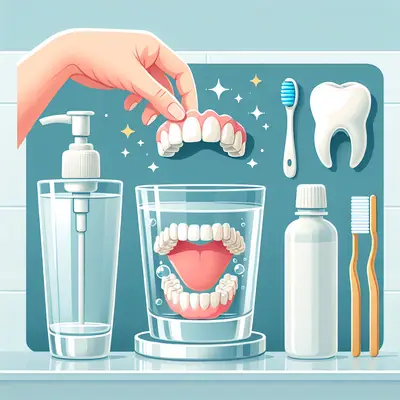
- A consistent overnight soak in a denture cleanser or cool water with a recommended tablet to help disrupt biofilm and reduce microbial load.
- A dedicated gum and palate massage with a soft toothbrush or clean, damp cloth once the dentures are removed. This stimulates circulation, helps prevent sore spots, and keeps the tissues resilient.
- A short rinse in plain water after soaking, to remove residual cleanser before reinserting in the morning, reducing the risk of irritation.
- For partial denture wearers, a meticulous brushing and flossing of natural teeth before bed, treating the spaces around clasps as “high-security zones” where plaque and decay can start quietly.
This more complete ritual elevates nighttime from a mere “soak” to a restorative interval—for both your mouth and your prosthetics.
Precision Storage: Protecting Shape, Shade, and Structural Integrity
How dentures rest when they’re not in your mouth is almost as important as how they function when they are. Discreet, thoughtful storage is one of the most overlooked ways to extend their life and preserve their refined appearance.
Consider these storage refinements:
- Never let dentures dry out: store them in water or an approved solution when not in use to help maintain shape and prevent brittleness.
- Avoid improvised containers like bowls or drinking glasses; opt for a dedicated denture case with a secure lid—ideally opaque, to shield from light that can accelerate discoloration.
- Keep the case away from sinks and edges where it might be knocked over or dropped; a designated shelf or drawer adds both safety and discretion.
- Occasionally inspect the storage case itself: residue, film, and odors in the container can transfer back to your dentures. Clean or replace the case as you would any other hygiene tool.
- When traveling, use a hard, compact case that won’t be crushed in a luggage compartment, and always carry a minimal care kit (brush, cleanser, case) in your hand luggage, not just checked bags.
Thoughtful storage honors the investment you’ve made in your prosthetics and ensures that each time you reach for them, they are fresh, intact, and travel-ready.
The Comfort Audit: A Subtle System for Catching Problems Early
Experienced denture wearers rarely wait for pain to signal a problem. Instead, they develop a quiet, internal “comfort audit”—a structured way of noticing small changes in fit, function, and appearance before they become disruptive.
Cultivating your own audit might look like:
- A morning and evening check-in: Does your bite feel even? Are there new rub points, clicking sounds, or areas that feel “looser” than usual?
- Visual inspection under good light once a week: looking for hairline cracks, worn edges on teeth, discoloration along the gumline, or buildup in crevices.
- Tracking patterns—tender spots that recur in the same place, food that suddenly becomes harder to manage, or changes in how clearly you pronounce certain sounds.
- Scheduling professional evaluations on a regular cadence (often annually, or as advised by your clinician), even when everything feels “fine,” to confirm that bone and tissue changes haven’t compromised the fit.
This is less about worry and more about stewardship: you are actively curating the performance of your dentures, ensuring they continue to support your lifestyle and self-presentation with minimal disruption.
Conclusion
Exceptional denture maintenance is not about rigid rules; it is about adopting thoughtful, repeatable habits that respect both the engineering of your prosthetics and the delicacy of the tissues that support them. By controlling temperature, refining your brushing technique, elevating your night ritual, storing with precision, and conducting a regular comfort audit, you create a maintenance philosophy that feels less clinical and more curated.
The result is a smile that doesn’t simply function—it quietly reflects your standards, every day.
Sources
- American Dental Association – Dentures – Overview of denture types and general care recommendations.
- Mayo Clinic – Dentures: How to Care for Them – Practical guidance on day-to-day cleaning, removal, and handling.
- Cleveland Clinic – Dentures: Benefits, Types & Care – Detailed explanation of maintenance, fit issues, and when to seek professional adjustment.
- National Institute of Dental and Craniofacial Research (NIDCR) – Oral Health for Older Adults – Context on maintaining oral health, including prosthetic considerations, as we age.
- Columbia University College of Dental Medicine – Caring for Your Dentures – Professional insights into cleaning techniques and preserving denture materials.
Key Takeaway
The most important thing to remember from this article is that this information can change how you think about Maintenance Tips.