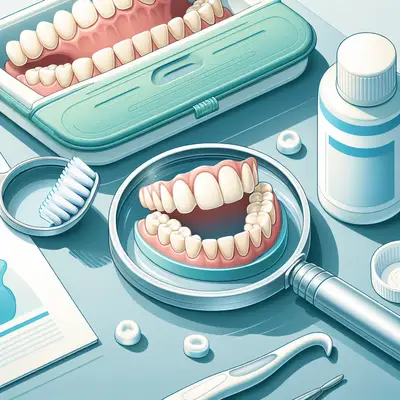
Denture maintenance, at its highest level, is less about chores and more about preserving an understated elegance. A well‑kept prosthetic doesn’t simply restore function; it supports posture, articulation, and the kind of effortless confidence that never calls attention to itself. Beyond the standard advice—clean daily, handle with care—there exists a more refined layer of practice: subtle habits and considered choices that keep your dentures looking pristine and feeling natural over the long term.
This guide explores a more elevated approach to denture care, with five exclusive insights designed for wearers who value discretion, durability, and quiet sophistication in every detail of their routine.
Elevating Cleanliness: Treating Your Dentures Like Fine Craftsmanship
Think of your dentures as bespoke pieces—carefully engineered, finely contoured, and deserving of the same respect you’d afford a tailored garment or luxury accessory. The usual recommendation is to brush daily with a soft brush and use a non-abrasive cleanser; the refined approach is to pair this with mindful technique and product selection.
Instead of standard toothpaste, which can be unexpectedly abrasive to acrylic and porcelain, choose cleansers specifically formulated for dentures or removable prosthetics. Work with small, deliberate circular motions, particularly along the margins that meet your gums and the undersides that rest against your palate or ridge—these hidden areas are where biofilm quietly accumulates. Rinse with cool or lukewarm water rather than hot; excessive heat can subtly distort the base over time, compromising fit.
After cleaning, take a moment to visually inspect your dentures under good lighting. Look for faint hairline cracks, slight cloudiness, or irregularities in the polish. Addressing these early with your dentist or prosthodontist can prevent bigger problems later. This level of attention doesn’t take much time, but it sets a higher standard of stewardship—your dentures are not disposable objects; they are part of your presentation.
The Hydration Balance: Soaking With Intention, Not Habit
Soaking dentures is often presented as a simple, binary instruction: “Leave them in water overnight.” In reality, a more nuanced approach can help protect both the materials and the tissues of your mouth.
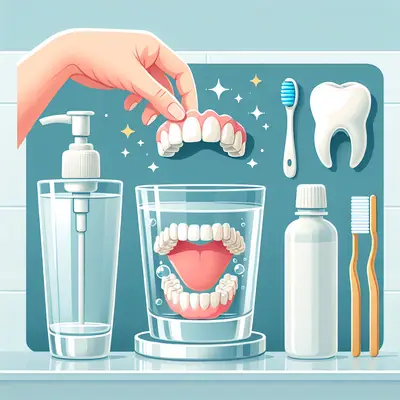
Dentures should not be allowed to dry out, as this can cause warping or microscopic surface changes that alter fit and comfort. However, the soaking solution you choose—and how consistently you use it—matters. Alternating between plain water and an effervescent denture cleaning solution, as recommended by your dentist, can strike a balance between gentle preservation and effective disinfection.
For those with metal components (such as partial dentures with clasps), it’s wise to confirm that your chosen soaking tablets are compatible with metal alloys, as some formulas can contribute to tarnish or corrosion over time. Use a covered container with a smooth interior to avoid accidental scratching, and replace the solution each time—you would never reuse yesterday’s skincare products; the same logic applies here.
Before reinserting your dentures in the morning, rinse them thoroughly to remove any residual chemicals. This prevents irritation of the oral tissues and preserves the natural taste and aroma of your meals and beverages—a small but meaningful consideration in daily comfort and enjoyment.
Precision Fit: Micro-Adjustments and the Art of Preventive Comfort
Many denture wearers only seek adjustments when discomfort becomes unavoidable. A more refined strategy is to anticipate changes and treat fit as something to be curated over time, not simply corrected when it fails.
The anatomy of your jawbone and gums naturally evolves, particularly in the years following tooth loss. This gradual reshaping can make even the finest dentures feel subtly “off”—a faint rocking when you bite, a tiny pressure point at the edge of the plate, or the sensation that your upper denture is just a touch less secure. Instead of tolerating these early cues, view them as an invitation to fine-tune.
Schedule review appointments at intervals recommended by your dentist or prosthodontist—often annually, or more frequently in the first few years—or sooner if you sense a shift. Professional relining and adjustments can recalibrate the internal surfaces so they harmonize with your current oral contours, extending the functional life of the prosthesis and reducing your reliance on adhesive products.
Avoid self-adjusting with nail files, knives, or home tools under any circumstance. Even minor DIY alterations can damage the structural integrity or disrupt your bite alignment, leading to joint strain, sore spots, or accelerated wear. The goal is a fit that feels effortless, allowing you to speak, laugh, and dine without second thoughts.
The Discreet Daily Check-In: Monitoring Soft Tissues With a Curated Eye
Impeccable denture maintenance extends beyond the prosthesis itself to the tissues it rests upon. Gums, cheeks, tongue, and palate tell a quiet story about how your dentures are performing—and about your overall health.
Each evening, after removing your dentures, run a clean fingertip gently along your ridges and the roof of your mouth. Notice any new tenderness, subtle roughness, or localized warmth. Then take a quick visual look in the mirror under good light: areas of redness, white patches, or unusual texture changes warrant attention. Small irritations that persist longer than a week should be evaluated by a dental professional, as they may signal ill-fitting areas, infection, or—rarely—precancerous changes.
Give your mouth a “rest period” daily by spending some time without your dentures in, especially overnight, unless otherwise advised by your dentist. This allows tissues to recover from constant pressure and reduces the risk of fungal overgrowth such as denture stomatitis. If you’ve noticed persistent redness under your denture, a refined approach may include a tailored antifungal regimen, improved cleaning, or subtle design adjustments recommended by your clinician.
This quiet habit of observing not just the denture but also the living canvas underneath is one of the most exclusive, under-discussed elements of exceptional maintenance—and an important investment in long-term oral health.
Lifestyle Refinements: Subtle Choices That Extend Denture Longevity
The way you live with your dentures, day in and day out, has a profound effect on how gracefully they age. Seemingly minor decisions can cumulatively safeguard both their appearance and structural integrity.
Culinary habits are a prime example. While modern dentures are designed to withstand typical chewing forces, frequently biting very hard items—ice, uncut nuts, very hard candies—can introduce micro-fractures in the acrylic or teeth. Instead, favor thoughtfully prepared textures: cut dense foods into manageable pieces, avoid using your dentures as “tools” to tear packaging, and be mindful of extremely sticky foods that can dislodge or stress the prosthesis.
Temperature is another subtle influence. Regular exposure to very high temperature variations—such as sipping scalding beverages or rinsing in hot water immediately after cold food—can, over time, affect materials. Opt for comfortably warm rather than piping hot, which also protects the delicate tissues of your palate.
Finally, consider how and where you store your dentures when not in use. Keep them away from direct sunlight, extreme heat, and household chemicals. Always place a soft towel or a basin of water in the sink when cleaning them to cushion accidental drops. This simple measure can prevent fractures, chips, and the inconvenience of an urgent repair visit.
These lifestyle refinements are not about restrictions; they are about aligning daily habits with the kind of quiet care that keeps your prosthetic smile looking composed and credible, year after year.
Conclusion
Refined denture maintenance is an exercise in thoughtful minimalism: small, consistent gestures that cumulatively preserve comfort, beauty, and confidence. By treating your dentures as carefully as any other bespoke possession—cleaning with precision, soaking intentionally, honoring regular fit adjustments, monitoring your oral tissues, and making subtle lifestyle choices—you elevate your routine from basic upkeep to quiet guardianship.
In doing so, your dentures become almost invisible to both you and the world around you—supporting speech, dining, and expression with a sense of assured, unhurried ease. That is the true luxury: a smile that feels as natural as it looks, maintained by habits so considered they barely announce themselves at all.
Sources
- American Dental Association – Dentures - Overview of denture types, basic care, and professional recommendations.
- Mayo Clinic – Dentures: How to Care for Them - Practical guidance on daily cleaning, storage, and fit management.
- Cleveland Clinic – Dentures - Detailed information on denture use, adjustments, and long-term maintenance.
- National Institutes of Health (NIH) – Denture Stomatitis Review - Research-based discussion of tissue health, fungal overgrowth, and preventive hygiene strategies for denture wearers.
Key Takeaway
The most important thing to remember from this article is that this information can change how you think about Maintenance Tips.