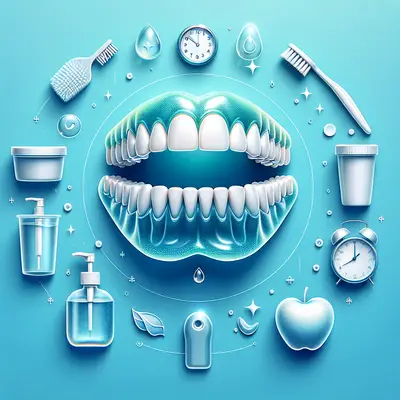
Refined denture care is less about rigid rules and more about cultivating an understated standard of comfort, confidence, and longevity. When your prosthetic teeth are crafted to look natural and elegant, the way you care for them should feel equally considered. This guide unveils a more elevated approach to daily denture life—focusing not on the obvious basics, but on subtle, high‑impact practices that discerning wearers quietly rely on.
Reframing Denture Care as Personal Ritual, Not Chore
The most seasoned denture wearers rarely treat care as a box to check; they fold it into a personal ritual that feels intentional and calming. This shift in mindset leads to more consistent habits and better long‑term outcomes.
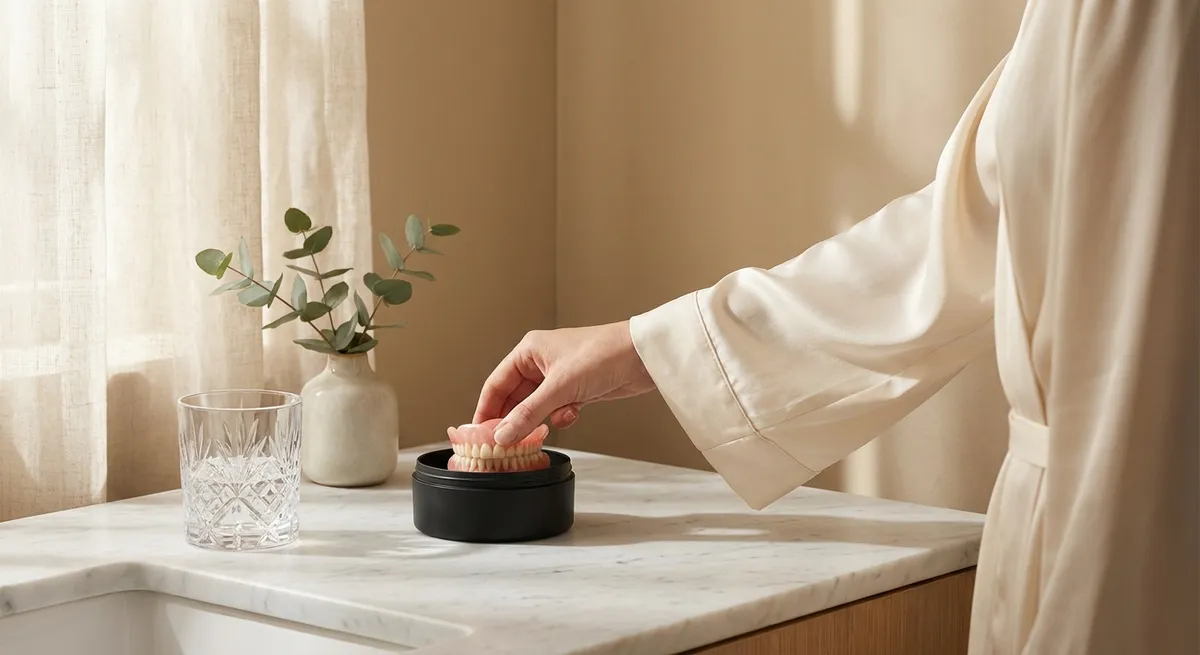
Begin by creating a dedicated care space: a soft, non-slip mat by the sink, a shallow bowl of water or folded towel beneath your hands, and a specific tray or dish to hold your denture brush and case. This transforms removal and cleaning from something rushed into a small, orderly ceremony.
Time of day matters, too. Instead of cleaning only at night out of obligation, many refined wearers schedule an early‑evening ritual when they are unhurried, allowing for a meticulous but unhurried clean. They also plan a periodic “long clean” once or twice a week—soaking in a fresh denture cleanser while gently brushing their gums, tongue, and palate—to restore that “first‑day” feeling of freshness.
By curating your sensory environment (good lighting, no distractions, perhaps even quiet music in the background), you make space to notice minute changes in fit, color, and comfort before they become problems. The ritual is about attentiveness, not fussiness—and it shows in the way your dentures look and feel over time.
The Precision Rinse: Water Quality and Temperature Mastery
Experienced denture wearers know that not all rinses are equal. The temperature, pressure, and even the water quality can subtly influence how well your dentures age.
Always use cool to lukewarm water—never hot. High temperatures can warp acrylic bases and alter the alignment of teeth in ways that are almost imperceptible at first but can lead to rubbing, sore spots, and looseness over time. A gentle, steady stream is ideal; avoid high‑pressure tap settings that can knock dentures from your hands or damage delicate clasps on partials.
If you live in an area with very hard water (visible limescale on fixtures is a clue), mineral deposits can gradually build on denture surfaces, dulling their appearance and roughening textures. Those in such regions sometimes keep a small pitcher of filtered water strictly for rinsing and final cleaning—a subtle change that helps preserve translucency and smoothness.
After each meal, a swift but deliberate rinse dislodges food particles hidden along the gum line, behind clasps, or under the palate. Many refined wearers practice a “double rinse”: first under running water, then gently swishing the dentures in a separate bowl of clean water to dislodge anything that clings. This simple precision step keeps odors and staining at bay while preserving materials from unnecessary stress.
The Soft-Tissue Focus: Training Your Mouth to Age Gracefully
Truly elevated denture care goes beyond the dentures themselves; it’s about maintaining the underlying foundation—the tissues and bone that support them. Attentive soft‑tissue care is what separates “acceptable” dentures from those that feel nearly invisible in daily life.
After removing your dentures, take a few moments to gently massage your gums with a soft toothbrush or a clean, damp cloth. Use small circular motions along the ridge where your dentures sit, the roof of your mouth, and the inside of your cheeks. This stimulates blood flow, reduces minor inflammation, and helps your tissues adapt more gracefully to daily wear.
Tongue care is equally important. A coated tongue can trap bacteria that cause persistent denture odor even if your prosthesis is spotless. A light brush or tongue scraper once or twice a day improves taste perception, breath, and overall oral freshness.
Refined wearers also give their mouths intentional “rest periods.” Sleeping without dentures (as most dentists recommend) allows tissues to recover and reduces the risk of fungal infections like denture stomatitis. For those who must wear dentures for extended periods, even 20–30 minutes of “bare gums” in the evening—while watching television or reading—can help tissues remain resilient, less prone to sore spots, and more tolerant of tiny fit changes over time.
Finally, some routine beyond the mirror is wise: occasional self‑checks with clean hands to feel for any new lumps, rough patches, or persistent redness, followed by prompt consultation with a dentist if anything unusual persists. This soft‑tissue awareness is quiet but powerful preventive care.
Advanced Cleanliness: Beyond the Standard Brush-and-Soak
Most guidance stops at “brush daily and soak overnight,” but there is a more refined level of cleanliness that discerning wearers pursue—one that focuses as much on technique and sequence as it does on products.
Think in layers. Start with a mechanical clean: a dedicated denture brush with soft, multi‑level bristles and a non‑abrasive cleanser made specifically for dentures. Circular motions along the gum line, palate, and undersides of clasps ensure that plaque can’t settle in micro‑grooves. Avoid regular toothpaste; the abrasives designed for enamel can subtly scratch acrylic and resins, encouraging staining over time.
Then progress to a chemical clean: a fresh, effervescent denture‑cleaning tablet in lukewarm water. Follow the product’s recommended time precisely; over‑soaking in strong solutions may fade pink acrylic or corrode metal components in partial dentures. For wearers concerned about fragrance or sensitivities, fragrance‑free or low‑additive cleansers are an elegant, thoughtful choice.
The final step is an “inspection clean.” Under good lighting, use your fingertips to feel along the denture’s inner surfaces after rinsing—checking for any remaining film, rough spots, or faint graininess. This tactile examination often reveals buildup that eyes alone miss. If necessary, repeat gentle brushing in targeted areas rather than starting the entire process over.
A refined extra: keep a separate, ventilated storage case for travel, distinct from your nightly soaking container. This prevents cross‑contamination and ensures your travel case stays dry, odor‑free, and ready on a moment’s notice—ideal for those who value discretion when away from home.
Micro‑Adjustments in Daily Life: The Art of Subtle Comfort
The most experienced denture wearers manage comfort through a series of refined micro‑adjustments throughout the day—small, nearly invisible decisions that prevent problems before they surface.
Start with how you introduce foods. Rather than categorically avoiding crunchy or fibrous items, sophisticated wearers adjust texture: lightly steaming vegetables, slicing fruit thinly, or cutting crusts from bread until confidence and chewing strength increase. They favor bilateral chewing—using both sides of the mouth—to stabilize the denture and reduce rocking or uneven wear.
Hydration plays a quiet but essential role. Adequate water intake supports saliva production, which naturally lubricates dentures and soft tissues. Those prone to dry mouth (from medications or age) often keep a small glass carafe or elegant water bottle nearby, sipping regularly instead of waiting until thirst sets in. Alcohol‑free mouthrinses formulated for dry mouth can also provide discreet moisture without irritation.
Adhesive use, when appropriate, is approached with precision rather than excess. A minimal, evenly spaced application—following the manufacturer’s pattern rather than improvising—reduces oozing, improves comfort, and makes end‑of‑day cleaning easier. If more adhesive suddenly seems necessary, the sophisticated response is not to apply more, but to schedule a re‑evaluation; this is often an early sign that a reline or adjustment is due.
Emotionally, there is an art to social ease. Many seasoned wearers keep a compact “comfort kit” in a handbag, briefcase, or car: a travel‑size denture brush, small container for water, a sealed packet of cleanser tablets, and a discreet adhesive strip or cream. This allows them to handle unexpected looseness, a stray food particle, or a long evening out without drama, maintaining a sense of control and composure wherever they are.
Conclusion
Elevated denture care is less about perfection and more about thoughtful consistency—small, intelligent decisions repeated day after day. By transforming cleaning into a personal ritual, respecting water and temperature, nurturing the soft tissues beneath your prosthesis, refining cleaning sequences, and harnessing micro‑adjustments in daily life, you cultivate a quiet luxury: dentures that not only function well, but feel seamlessly integrated into your sense of self.
When you honor these refined details, your smile does more than fill the space of missing teeth—it becomes a discreet expression of care, intention, and enduring confidence.
Sources
- American Dental Association – Dentures – Overview of denture types, daily care recommendations, and professional guidance
- Mayo Clinic – Dentures: How to Care for Them – Practical advice on cleaning, handling, and maintaining dentures
- National Institute of Dental and Craniofacial Research (NIDCR) – Oral Health for Older Adults – Context on aging, oral tissues, and considerations for prosthetic teeth
- Cleveland Clinic – Dentures – Detailed information on fit, adjustments, and when to seek professional evaluation
- Colgate Oral Care Center – Caring for Dentures – Consumer‑friendly summary of cleaning methods and product considerations
Key Takeaway
The most important thing to remember from this article is that this information can change how you think about Denture Care.