The most elegant smiles rarely announce how much care they require. For discerning denture wearers, true refinement lies in quiet, consistent rituals that protect both the prosthesis and the natural tissues that support it. This is not about basic cleaning instructions—it is about elevating maintenance into a thoughtful practice that preserves fit, comfort, and discretion over time. Below, you’ll find five exclusive insights that go beyond the usual guidance, tailored for those who expect their dentures to perform—and look—as impeccably as the rest of their curated lives.
1. Establish a “Two-Environment” Care Routine
Think of your dentures as moving between two environments: the precision of the laboratory and the complexity of the mouth. Your maintenance should honor both.
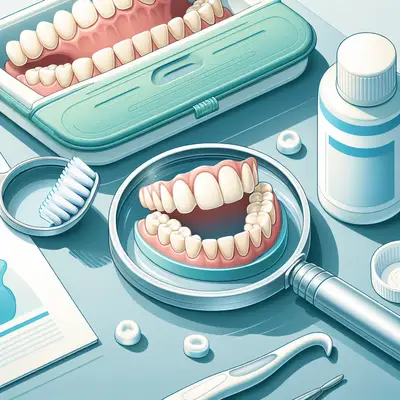
Outside the mouth, treat your dentures as you would a fine instrument. Always handle them over a towel or basin of water to prevent fractures if dropped. Use a dedicated, soft-bristled denture brush reserved exclusively for your prosthesis—never a standard toothbrush, which can create micro-scratches that harbor stain and bacteria. When cleaning, hold them gently but firmly with both hands, supporting the base to avoid flexing.
Inside the mouth, remember your dentures share an ecosystem with delicate oral tissues. Each time you remove them, quickly inspect the pink acrylic for any roughness, cracks, or buildup and the metal components (if present) for tarnish or bending. This habit allows you to detect subtle changes before they compromise fit or comfort. A consistent “two-environment” mindset encourages you to care not only for the appliance, but for the biological landscape it depends on.
2. Curate a Hydration Strategy for Denture and Tissue Health
Hydration for denture wearers is as much about tissue integrity as it is about comfort. Saliva is the unsung hero of stability: it creates the thin film needed for suction, buffers acidity, and helps control microbial growth. Yet many premium lifestyles—air travel, climate-controlled spaces, certain medications—quietly undermine moisture levels.
Begin with water as your baseline, keeping a glass nearby during prolonged meetings, flights, or evening events. Sip rather than gulp to maintain a consistent level of moisture throughout the day. If you experience dry mouth, discuss saliva substitutes or prescription products with your dentist; select formulations that are alcohol-free and specifically designed for oral dryness. Avoid overuse of mint lozenges or candies with sugar, as they can increase cavity risk in remaining teeth and alter the oral pH.
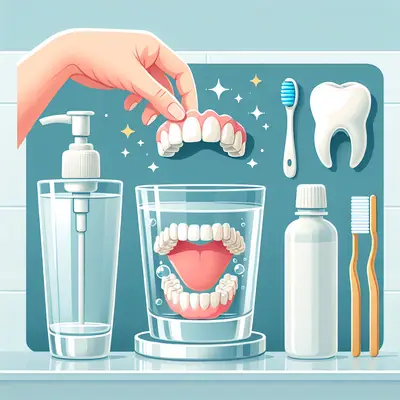
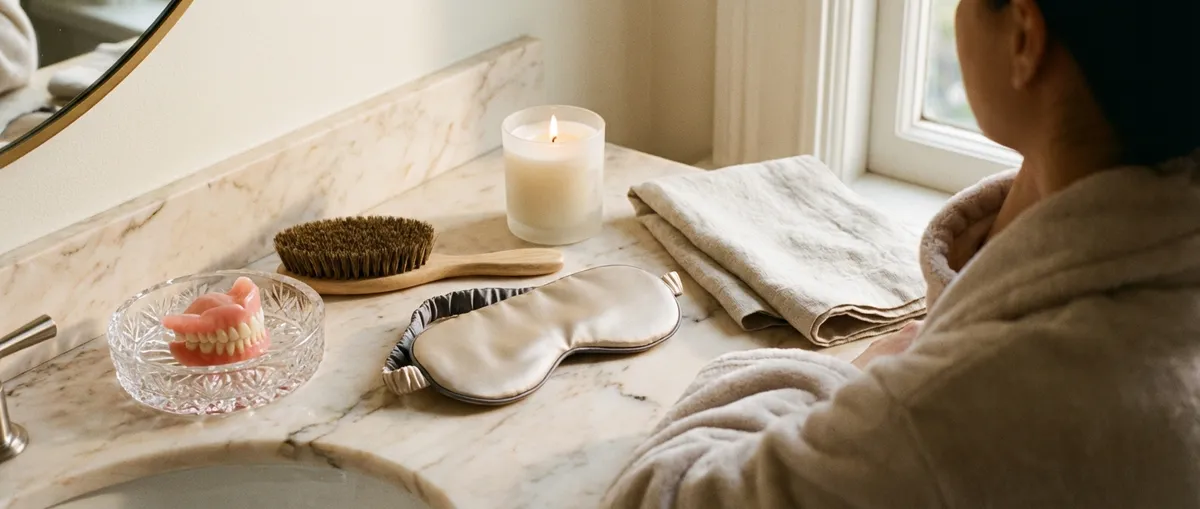
Equally important is how your dentures “rest” overnight. Soaking them in fresh, cool or lukewarm water is essential to prevent warping and to maintain the integrity of the acrylic. If you use effervescent cleansing tablets, do so under the guidance of your dentist and strictly follow timing recommendations—overexposure can fade coloration or compromise surface finish. The goal is a hydrated, balanced environment that keeps both prosthesis and tissues resilient.
3. Adopt a Gentle Polishing Ritual to Preserve a Natural Finish
The difference between a serviceable denture and an exquisite one often lies in surface refinement. A subtle, natural sheen—rather than a high-gloss, artificial shine—signals quality and discretion. To maintain this, think in terms of gentle polishing, not aggressive scrubbing.
After your primary cleaning, softly glide a moistened, ultra-soft brush or microfiber cloth along the tooth surfaces and the pink acrylic base. Use small, controlled motions, focusing on areas that tend to pick up stain, such as around the necks of the teeth and in the palate or lingual regions. Avoid any toothpaste, whitening paste, baking soda, or abrasive powder; these can leave microscopic scratches that make future staining more likely and diminish the lifelike luster.
For those who enjoy tea, coffee, or red wine, a professional cleaning schedule is indispensable. Even the best home routine has limits. Ask your dentist or prosthodontist about a cadence that matches your habits—often once or twice a year suffices for many, while more frequent sessions may benefit those with heavier staining tendencies. These visits allow the dental team to use professional tools and polishing agents calibrated to your specific materials, restoring their refined finish without compromising structure.
4. Institute a Monthly “Fit Audit” to Stay Ahead of Subtle Changes
One of the most sophisticated maintenance practices isn’t about cleaning at all—it’s about observation. The mouth is dynamic; bone and soft tissue gradually resorb and remodel, especially after tooth loss. Even a beautifully made denture will eventually feel different as the underlying anatomy shifts.
Set aside one day each month—perhaps the first weekend—to perform a private “fit audit.” In front of a mirror, insert your dentures without adhesive and speak a few common phrases, then smile, laugh, and move your lips in exaggerated expressions. Notice any new looseness, clicking, or air sounds when you speak. Gently press on the dentures with your tongue and fingers: do they rock, lift, or feel unstable in any specific area?
Next, remove them and examine the contact surfaces for shiny spots or localized wear, which can indicate pressure points. Check your gums and palate for any redness that persists beyond 15–20 minutes after you remove the dentures, or any areas that feel sore, burned, or thickened. These small observations are early clues that an adjustment, reline, or remaking may be needed. By treating fit as something to be monitored, rather than only addressed when overt discomfort appears, you preserve comfort and aesthetics with minimal disruption.
5. Design a Discreet, Portable Care Kit for Your Day
A premium approach to denture maintenance extends beyond the bathroom and into your daily life. The goal is simple: to remain prepared for any situation—an impromptu dinner, a long flight, an extended meeting—without drawing attention.
Assemble a compact, understated care kit that lives in your briefcase, tote, or car. At minimum, it should include a small, ventilated case, alcohol-free mouth rinse or pre-pasted disposable brushes, a travel-sized soft brush, and any adhesive recommended by your dentist. If you wear partial dentures, include interdental brushes or floss recommended for cleaning around any remaining natural teeth or precision attachments.
The elegance is in discretion: choose containers that resemble high-end cosmetic or grooming items rather than medical supplies. Use your kit to refresh privately after meals, lengthy coffee breaks, or before important engagements, focusing on eliminating trapped food, refreshing the breath, and ensuring the dentures are fully seated. This small investment in preparedness transforms maintenance from a reactive chore into a quiet, seamless extension of your personal grooming standard.
Conclusion
Elevated denture maintenance is not about complexity—it is about intention. By refining your routine into a series of thoughtful rituals, you protect far more than the prosthesis itself. You safeguard oral tissues, preserve a stable and natural appearance, and maintain the quiet confidence that your smile will never betray the work behind it. The five insights above—two-environment care, curated hydration, gentle polishing, monthly fit audits, and a discreet day kit—offer a framework for those who regard their dentures not as a compromise, but as a carefully managed extension of their personal standard of excellence.
Sources
- American Dental Association – Dentures – Overview of denture types, care basics, and professional recommendations
- Mayo Clinic – Dentures: How to Care for Them – Practical advice on daily maintenance, soaking, and handling
- Cleveland Clinic – Dentures – Detailed information on fit, adjustments, and long-term management
- National Institute of Dental and Craniofacial Research (NIDCR) – Tooth Loss – Background on bone and tissue changes after tooth loss that affect denture fit
- Columbia University College of Dental Medicine – Caring for Your Dentures – Guidance on cleaning methods, soaking, and oral tissue care
Key Takeaway
The most important thing to remember from this article is that this information can change how you think about Maintenance Tips.