The most refined smiles rarely draw attention to themselves—yet they are noticed. For discerning denture wearers, “maintenance” is far more than basic cleaning; it is an ongoing ritual of preservation, comfort, and understated elegance. This guide explores subtle, high-impact practices that protect your investment, honor your oral health, and keep your prosthetic smile looking quietly impeccable day after day.
Rethinking Clean: Treating Dentures Like Fine Craftsmanship
Quality dentures deserve to be treated less like utility objects and more like finely made instruments. Overly aggressive scrubbing, harsh products, or rushed routines can prematurely age the material, dull the surface, and disturb the precise fit your clinician achieved.
Begin by selecting a soft, dedicated denture brush—never a hard-bristled toothbrush designed for natural teeth. Pair it with a non-abrasive denture cleanser or liquid soap free of whitening agents and gritty additives. Avoid hot or boiling water, which can warp the acrylic and subtly alter the fit; instead, use cool to lukewarm water and a gentle, consistent motion.
Think of each cleaning as a preservation ritual rather than a chore. Work systematically: outer surfaces, inner surfaces, and delicate clasp areas if you wear partials. Pay attention to areas where the base meets the teeth—plaque can accumulate there unnoticed. By framing your maintenance as care for a finely crafted object, you naturally slow down, use lighter pressure, and give attention to detail that protects both form and function.
The Nighttime Advantage: A Restorative Reset for Mouth and Prosthesis
Night is the most underutilized opportunity for exceptional denture care. While many people simply remove and soak their dentures, a more thoughtful evening protocol can transform both comfort and longevity.
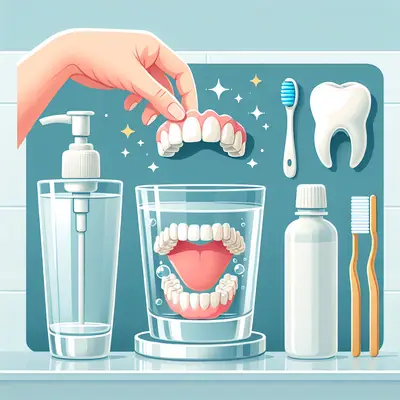
Whenever possible, remove dentures overnight to let your oral tissues recover from the day’s pressure. Without this rest, the risk of sore spots, fungal infections, and bone resorption gradually increases. Place the dentures in a dedicated container filled with a recommended soaking solution or plain water to prevent drying and warping—never leave them exposed to air on a bedside table.
Before soaking, give them a thorough yet gentle clean so that the overnight solution is maintaining cleanliness, not dissolving day-old debris. At the same time, tend to your gums, palate, and tongue with a very soft brush or clean, damp cloth. This dual approach—prosthesis soaking and tissue recovery—creates an environment that discourages infections and keeps the fit more stable over time. Night becomes an elegant “reset” for your entire oral ecosystem rather than simply a pause in wear.
Exclusive Insight #1: The “Two-Temperature” Rinse for Subtle Fit Stability
For denture wearers seeking refined comfort throughout the day, water temperature can be a quiet but powerful ally. Rather than rinsing your dentures solely under one water temperature, consider a deliberate “two-temperature” ritual.
After meals, first rinse your dentures under cool water to quickly remove food particles and soothe the material, which can expand slightly with warmth. Then, briefly switch to a mildly lukewarm rinse to minimize any residual film and enhance comfort when you reinsert them. This subtle sequence helps avoid the extremes—no hot water that risks distortion, no icy water that may feel unpleasant on sensitive tissues.
While it will not transform fit dramatically, this nuanced approach can help maintain a more stable feel during the day. It also encourages a mindful pause after eating, reducing the temptation to rush through cleaning and inadvertently neglect small, debris-prone areas along the denture base.
Exclusive Insight #2: Curating a “Denture Wardrobe” of Care Tools
Just as a carefully assembled wardrobe elevates personal style, a curated set of denture care tools lends sophistication and ease to your daily routine. Relying on a single brush and generic cleanser can limit both precision and protection.
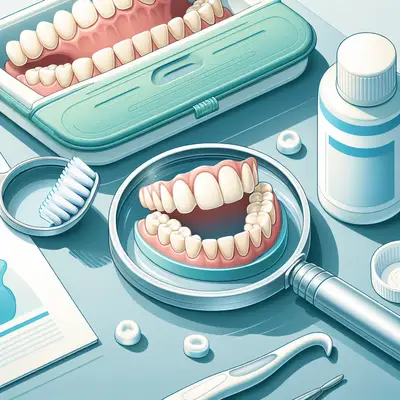
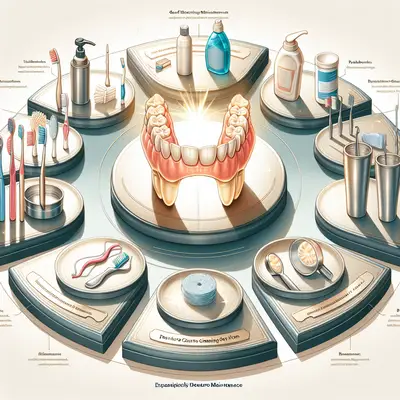
Consider assembling a small “denture wardrobe” that includes: a soft denture brush with multi-level bristles for general cleaning; a petite, interdental-style brush for crevices and metal clasps; a non-abrasive cleanser recommended by your dental professional; and a dedicated microfiber cloth for drying the exterior gently before storage or inspection. Keep this set in a discreet, clean container or travel case, so your routine remains organized and portable.
This curated collection invites a more intentional maintenance experience. It also reduces the impulse to improvise with inappropriate tools—such as whitening toothpaste or stiff brushes—that can scratch, stain, or prematurely age the denture surface. Over time, these refined habits contribute to a consistently more polished, natural appearance.
Exclusive Insight #3: The “Dry Surface Check” to Prevent Hairline Damage
Many denture wearers focus exclusively on cleanliness and forget to routinely inspect for micro-damage. Very small cracks, worn edges, or surface roughness can invite staining, trap bacteria, and eventually compromise fit.
Once or twice a week, after fully cleaning and gently patting your dentures dry, perform a deliberate “dry surface check.” In good natural light, hold the denture at different angles and run a clean fingertip very lightly along the surfaces, especially along the borders and around the necks of the teeth. A dry surface makes subtle catches and irregularities easier to detect than when everything is slippery from water.
If you notice new roughness, faint fractures, or a change in the gloss of the acrylic, contact your dental professional rather than attempting home repairs. Early intervention can prevent a minor issue from evolving into a fracture or painful sore spot, protecting your prosthesis and preserving comfort with minimal disruption.
Exclusive Insight #4: Seasonal Adjustments for Comfort and Stability
Our bodies respond to seasons—humidity changes, temperature shifts, and even minor weight fluctuations—and dentures can feel slightly different as a result. A sophisticated care strategy acknowledges this and adapts gently across the year.
In colder, drier months, pay closer attention to hydration. A mildly dry mouth can make dentures feel less stable and more prone to friction; sip water regularly and ask your clinician about saliva substitutes or moisturizing gels if dryness persists. In warmer weather, be mindful of frequent consumption of acidic or sugary beverages, which can encourage staining and plaque on both dentures and any remaining natural teeth.
You may also find it helpful to schedule routine denture evaluations strategically—perhaps at the transition into winter or summer—so your dental professional can make minor adjustments if needed. Treating your denture care as seasonally responsive rather than static allows for subtler, more comfortable wear throughout the year.
Exclusive Insight #5: A Gentle Polishing Ritual to Preserve Luster
Over time, even well-maintained dentures can lose their original luster, taking on a slightly dull or matte appearance that subtly signals “prosthetic” rather than “natural.” While professional polishing by a dental clinician is ideal, a delicate at-home ritual can help preserve surface sheen between visits.
After thorough cleaning, gently pat your dentures dry and use a clean, soft microfiber cloth to lightly buff the outer surfaces in small, circular motions. This is not a scrub—it is a feather-light polish to remove residual water spots and maintain a smooth, light-reflective surface. Avoid polishes or household cleaners not explicitly approved by your dental team; the cloth alone is sufficient for this purpose.
This understated step does more than enhance aesthetics. A smoother surface is less prone to plaque adherence and staining, making routine cleaning more effective. The result is a denture that not only looks more refined day to day, but also remains cleaner with less effort over time.
Conclusion
Exceptional denture maintenance is ultimately about respect—for the craftsmanship of the prosthesis, for the health of your oral tissues, and for the quiet confidence that comes from a well-cared-for smile. By embracing subtle, elevated practices—thoughtful temperature use, a curated toolkit, careful surface checks, seasonal awareness, and gentle polishing—you move beyond basic hygiene into a realm of deliberate, dignified care.
Your dentures become not simply a replacement for lost teeth, but a refined extension of your personal presentation. With each considered ritual, you protect their longevity, preserve their elegance, and ensure that your smile remains a quiet expression of understated luxury.
Sources
- American Dental Association – Dentures – Overview of denture types, basic care, and professional recommendations
- Mayo Clinic – Dentures: How to Care for Them – Guidance on cleaning, handling, and maintaining dentures safely
- Cleveland Clinic – Dentures – Detailed information on wear, care, and when to seek adjustments or replacements
- Colgate Oral Care Center – Denture Care Instructions – Practical advice on daily cleaning habits and product choices for dentures
- National Institute of Dental and Craniofacial Research (NIDCR) – Older Adult Oral Health – Context on oral health considerations, including prosthetic care, for older adults
Key Takeaway
The most important thing to remember from this article is that this information can change how you think about Maintenance Tips.